

Part of: US Midterm Election 2026
Judge Blocks Trump’s Election Threats Ahead of Crucial Midterm Vote
A federal judge temporarily barred Trump officials from threatening election workers, marking a significant legal setback before America’s November 3 midterm elections.

INTERNATIONAL BROADCAST JOURNALIST · CSB News USA
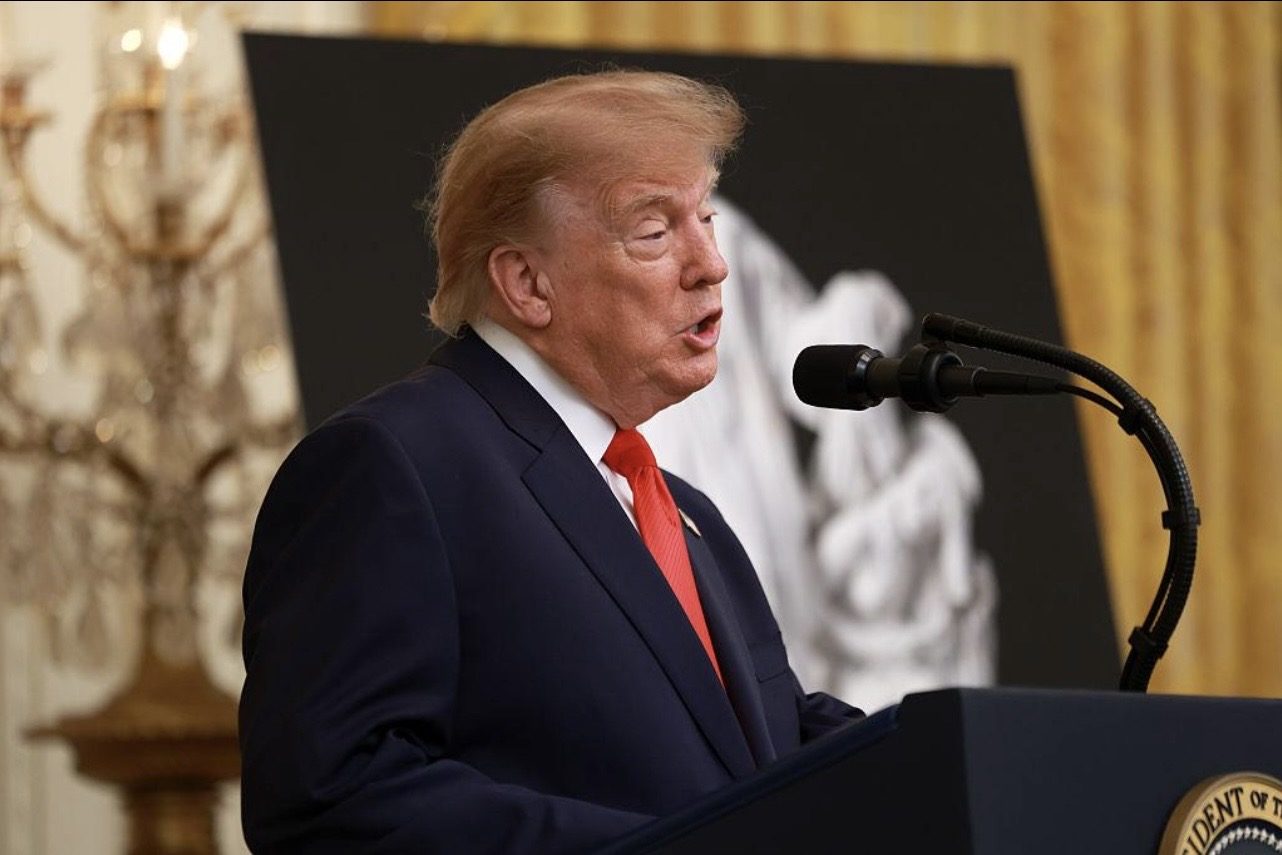
A federal judge has temporarily barred the Trump administration from threatening state and local election officials with criminal prosecution over disputes involving voters suspected of being noncitizens, delivering a significant legal setback just days before the November 3 midterm elections.
U.S. District Judge Trina Thompson issued the temporary restraining order on Friday, October 30, following a lawsuit brought by election-worker unions and other organizations. Reuters reported the decision on October 31, describing it as a judicial intervention in the administration’s increasingly aggressive efforts to expand federal oversight of election administration.
The order restricts the Justice Department and the Department of Homeland Security from demanding that election officials remove registered voters from statewide voter rolls, refuse ballots to specific individuals, or segregate ballots based solely on the administration’s allegations that those voters are not American citizens.
It also prohibits federal officials from threatening election workers with criminal prosecution for refusing to comply with those demands or for processing and counting ballots in accordance with applicable election laws.
The ruling does not permanently resolve the dispute. It is a temporary restraining order intended to prevent potential harm while the legal proceedings continue.
The decision comes as election officials across the United States prepare for the November 3 elections, which will determine control of the House of Representatives and Senate and influence the political direction of the remainder of President Donald Trump’s term.
The legal dispute centers on the administration’s efforts to identify people it believes may be noncitizens who are registered to vote. The administration has sought access to voter-registration records and has promoted stricter eligibility checks, arguing that stronger enforcement is necessary to protect election integrity.
Federal law prohibits noncitizens from voting in federal elections. However, the dispute concerns how the government identifies potentially ineligible voters, how reliable its records are, and whether federal officials can compel state and local election administrators to take specific actions based on those records.
Under the American constitutional system, states play the primary role in administering elections. Federal authorities retain important responsibilities in enforcing election laws, but the division of power between state and federal governments has become a central issue in the current litigation.
Thompson’s order addresses the administration’s use of alleged voter ineligibility as a basis for directing election officials to alter registration records or ballot-processing procedures.
The judge’s decision reflects concerns that federal pressure could interfere with election administration and potentially prevent eligible citizens from having their votes counted.
According to Reuters, the lawsuit was filed by election-worker unions and other groups seeking protection for officials responsible for conducting elections. The plaintiffs argued that federal threats could place election workers in an untenable position: comply with disputed federal demands or risk criminal prosecution for performing their legally assigned duties.
The court found that protecting election officials’ ability to follow federal law and established election procedures served the public interest, particularly because Election Day was approaching.
The Justice Department did not immediately comment on the ruling, Reuters reported.
The case is part of a broader national controversy over the Trump administration’s election-related initiatives. In recent months, federal officials have sought voter-registration information from states and pursued investigations into suspected noncitizen voting.
The administration has presented these efforts as necessary to prevent unlawful voting and strengthen public confidence in elections. Critics, including election experts and officials from both political parties, have raised concerns about the accuracy of federal voter lists and the potential consequences of removing eligible voters from registration records.
The distinction between an allegation and a verified finding is particularly important in this dispute. A person appearing on a government list of suspected noncitizens is not automatically proven to be ineligible to vote. Errors in databases, outdated information, or mismatched records can create problems when eligibility decisions are made without adequate verification.
The court order does not establish that every person identified by the administration is eligible to vote. Nor does it eliminate the government’s authority to enforce applicable election laws through lawful procedures.
Instead, it restricts the specific actions described in the order, including demands to remove voters, reject ballots, or separate ballots based solely on the administration’s allegations.
The dispute has also intensified concerns about the relationship between federal election enforcement and the constitutional authority of states to administer elections.
The United States Constitution gives states substantial responsibility for determining the time, place, and manner of federal elections, while Congress has authority to regulate aspects of the process. The precise limits of federal intervention remain a subject of litigation.
The timing of the order is significant. Millions of Americans have already participated in early voting, and election officials are preparing to receive, process, and count ballots on November 3.
Any last-minute changes to voter eligibility procedures or ballot handling could create administrative complications, particularly in states where voting has already begun.
The ruling also comes amid several other legal challenges involving the administration’s efforts to obtain voter data and investigate suspected noncitizen voting. These cases are being considered by different courts and do not necessarily share the same legal questions or outcomes.
For election officials, the immediate effect of Thompson’s order is to provide temporary protection against the specific federal demands and prosecution threats addressed by the court.
For voters, the order does not change the basic eligibility requirements for participating in federal elections. U.S. citizenship remains a requirement for voting in federal contests, alongside applicable state registration and residency rules.
The case will continue beyond the immediate election period, and further court proceedings may determine whether the restrictions remain in place or are modified.
The temporary order does not determine the outcome of the November 3 elections, nor does it establish that the administration’s broader election policies are permanently unlawful.
It does, however, mark a consequential judicial intervention in the debate over election oversight, voter eligibility, and the balance of power between federal authorities and state election administrators.
As the midterm elections approach, the ruling places renewed attention on the importance of accurate voter records, lawful ballot processing, and the protection of election workers from improper pressure.

Pope Leo XIV Makes History by Voting in America’s 2026 Midterm Elections

Georgia Early Voting Ends as Senator Jon Ossoff Urges Voters to Stand Up for Democracy and Justice
Trump Cancels Iowa, Kansas Rallies, Shifts to Nationwide Phone Campaign
Early Voting Surpasses 40 Million As US Midterm Election Battle Intensifies
Related News
Georgia Early Voting Ends as Senator Jon Ossoff Urges Voters to Stand Up for Democracy and Justice
Trump Cancels Iowa, Kansas Rallies, Shifts to Nationwide Phone Campaign
Early Voting Surpasses 40 Million As US Midterm Election Battle Intensifies
Comments 0
Log in or create a free account to join the conversation. You can comment anonymously.
No comments yet. Be the first.