

Trump Loses Epstein-Linked Lawsuit Against Wall Street Journal in Major Court Defeat
A judge has permanently dismissed Donald Trump’s defamation lawsuit against The Wall Street Journal over its report about Jeffrey Epstein.

Reporter · CSB News USA
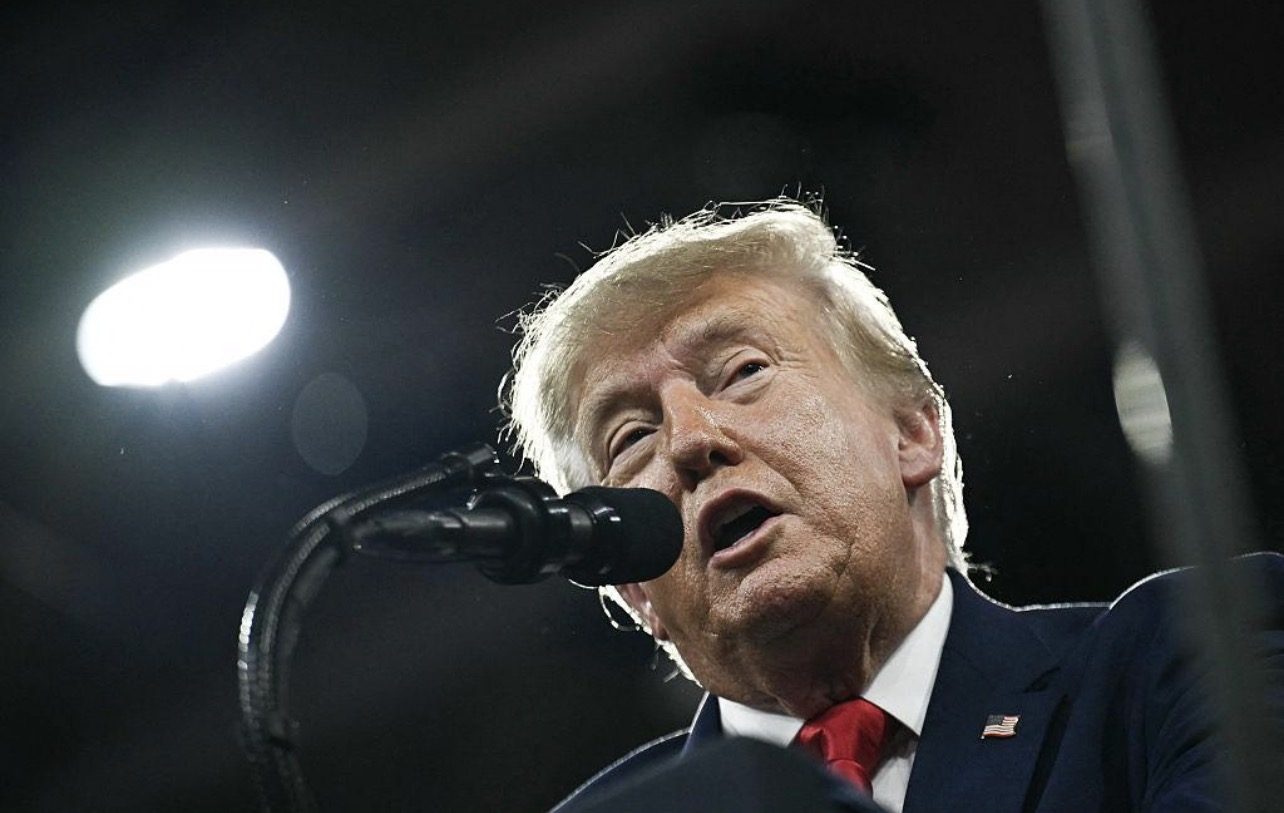
The decision was announced on Saturday, October 31, 2026, by US District Judge Darrin P. Gayles in Miami, Florida. The judge ruled that Trump had failed to provide sufficient legal grounds to prove that the newspaper and other defendants knowingly published false information or acted with reckless disregard for the truth.
The lawsuit was seeking at least $10 billion in damages. It targeted The Wall Street Journal, its parent company Dow Jones, media company News Corp, media owner Rupert Murdoch and two journalists who worked on the original report.
The latest ruling is particularly significant because the judge dismissed the case with prejudice. Under US law, this means Trump cannot simply file the same lawsuit again in the same court. However, he may still have the option of challenging the decision through an appeal.
The dispute began in July 2025, when The Wall Street Journal published a report about an alleged birthday letter bearing Trump’s name that was reportedly included in a collection of messages prepared for Jeffrey Epstein’s 50th birthday in 2003.
Epstein was a wealthy American financier who became widely known for his criminal activities involving the sexual exploitation and trafficking of underage girls. He was arrested on federal sex trafficking charges in 2019 and died in a New York jail that August while awaiting trial. His death was officially ruled a suicide.
According to the newspaper’s July 17, 2025, report, the controversial birthday collection contained a letter that appeared to carry Trump’s name and included a sexually suggestive drawing. The message was reportedly surrounded by an outline resembling a naked woman and contained a personal birthday greeting.
The newspaper reported that the letter ended with the words, “Happy Birthday — and may every day be another wonderful secret.”
The collection was reportedly assembled by British socialite Ghislaine Maxwell, Epstein’s longtime associate, who was later convicted of helping Epstein sexually abuse underage girls.
The publication of the report immediately triggered a strong reaction from Trump. He denied writing or signing the letter and described the newspaper’s reporting as false, malicious and defamatory. He also publicly rejected the allegations and threatened legal action.
In July 2025, Trump filed a defamation lawsuit seeking at least $10 billion in damages. He argued that the newspaper had damaged his reputation by publishing a report that he claimed was untrue.
The lawsuit accused the publication, its ownership and the journalists involved of knowingly or recklessly spreading false information. Trump’s legal team argued that the newspaper should not have published the story after he denied having any connection to the letter.
However, the newspaper defended its reporting and said it had followed proper journalistic procedures. Dow Jones, the parent company of The Wall Street Journal, maintained that the reporting was accurate and said it would vigorously defend the case.
The legal battle did not end with the first lawsuit. In April 2026, Judge Gayles dismissed Trump’s original complaint but allowed his legal team an opportunity to submit an amended version. The judge said the complaint did not adequately demonstrate that the newspaper had acted with actual malice, a legal requirement in defamation cases involving public figures.
Trump’s lawyers subsequently filed an amended complaint in May 2026, attempting to strengthen their allegations against the newspaper and the other defendants.
The amended lawsuit again argued that the publication had acted improperly and that its reporting had caused serious damage to Trump’s reputation. His legal team attempted to challenge the newspaper’s investigation and the way the report was prepared.
But the judge was not convinced by the revised arguments.
In his latest ruling, Gayles referred to the allegations as vague, inconsistent and insufficient to establish actual malice. He also criticized the attempt to identify supposed weaknesses in the newspaper’s investigation, describing the legal complaint as an effort to manufacture flaws in the reporting process.
The judge also pointed out that the newspaper had included Trump’s denial in its original report. Readers were informed that the president had rejected the letter’s authenticity and denied writing it.
This detail was important to the court because the newspaper had not presented the allegation without mentioning Trump’s response.
The ruling relied on a landmark 1964 US Supreme Court decision known as New York Times Co. v. Sullivan. That decision established a demanding legal standard for public officials and public figures seeking damages for defamation.
Under this standard, a public figure generally must demonstrate that a defendant published a false statement knowing it was false or with reckless disregard for whether it was true or not. Simply disagreeing with a news report or claiming that it damaged someone’s reputation is not enough to win a defamation case.
The judge concluded that Trump’s amended complaint still failed to meet that legal standard.
Importantly, the latest decision does not establish that Trump personally wrote the disputed birthday letter. Nor does it constitute a final factual finding that every detail in the newspaper’s reporting was correct.
Instead, the court ruled that Trump’s legal team had not adequately demonstrated the level of misconduct required to sustain a defamation claim.
This distinction is important because the lawsuit focused on whether the newspaper could legally be held responsible for its reporting, rather than serving as a trial to determine who actually wrote the letter.
The controversy gained further attention after members of the US House of Representatives obtained records from Epstein’s estate through congressional legal proceedings. A redacted version of the birthday collection, including the disputed letter, later became publicly available.
The document intensified public discussion about Epstein’s connections with powerful political, business and social figures. However, the appearance of a person’s name in Epstein-related material does not, by itself, establish involvement in criminal activity.
Trump has repeatedly denied writing the letter and rejected claims that the newspaper’s reporting accurately represented his relationship with Epstein.
Following the latest court decision, a spokesperson for Trump’s legal team said the president would continue pursuing his legal action against The Wall Street Journal and the other defendants. The spokesperson repeated Trump’s criticism of media organizations and said he would continue holding outlets accountable for what the administration considers false reporting.
The Wall Street Journal’s parent company, Dow Jones, welcomed the court’s decision and expressed satisfaction with the outcome.
The ruling is another important development in the wider debate over press freedom, political accountability and the legal responsibilities of news organizations in the United States.
Trump has been involved in several legal disputes with media organizations during his political career. His latest defeat highlights the difficulty public figures face when attempting to win defamation cases against established news outlets.
For journalists and media organizations, the decision reinforces the importance of the constitutional protections available under the First Amendment. These protections allow news organizations to report on matters of public interest, including controversial allegations involving powerful individuals, provided they comply with applicable legal standards.
At the same time, the decision does not mean that newspapers have unlimited freedom to publish false information. Defamation laws still provide legal protection to individuals who can establish that the required elements of a claim have been met.
The Epstein controversy remains a sensitive issue in American politics. Questions about Epstein’s powerful contacts, the handling of related government records and the extent of information available to the public continue to attract political and media attention.
The latest court decision closes Trump’s current lawsuit against The Wall Street Journal at the district court level. Whether he will pursue an appeal remains an important question.
For now, the newspaper and its parent company have emerged victorious in a high-profile legal battle that began with a controversial report about a birthday letter more than a year ago.
The case also sends a significant message about the legal standards governing public figures who challenge media reporting in the United States. A public denial alone cannot establish defamation, and a successful lawsuit requires convincing evidence that the publication knowingly spread false information or acted with reckless disregard for the truth.




Comments 0
Log in or create a free account to join the conversation. You can comment anonymously.
No comments yet. Be the first.