

Part of: US Midterm Election 2026
Trump Considers Moving White House Press Corps, Sparking Fresh Fears Over Press Freedom
President Donald Trump says he may relocate White House journalists, renewing questions about press access, media independence, and government accountability.

International Broadcast Journalist · CSB News USA
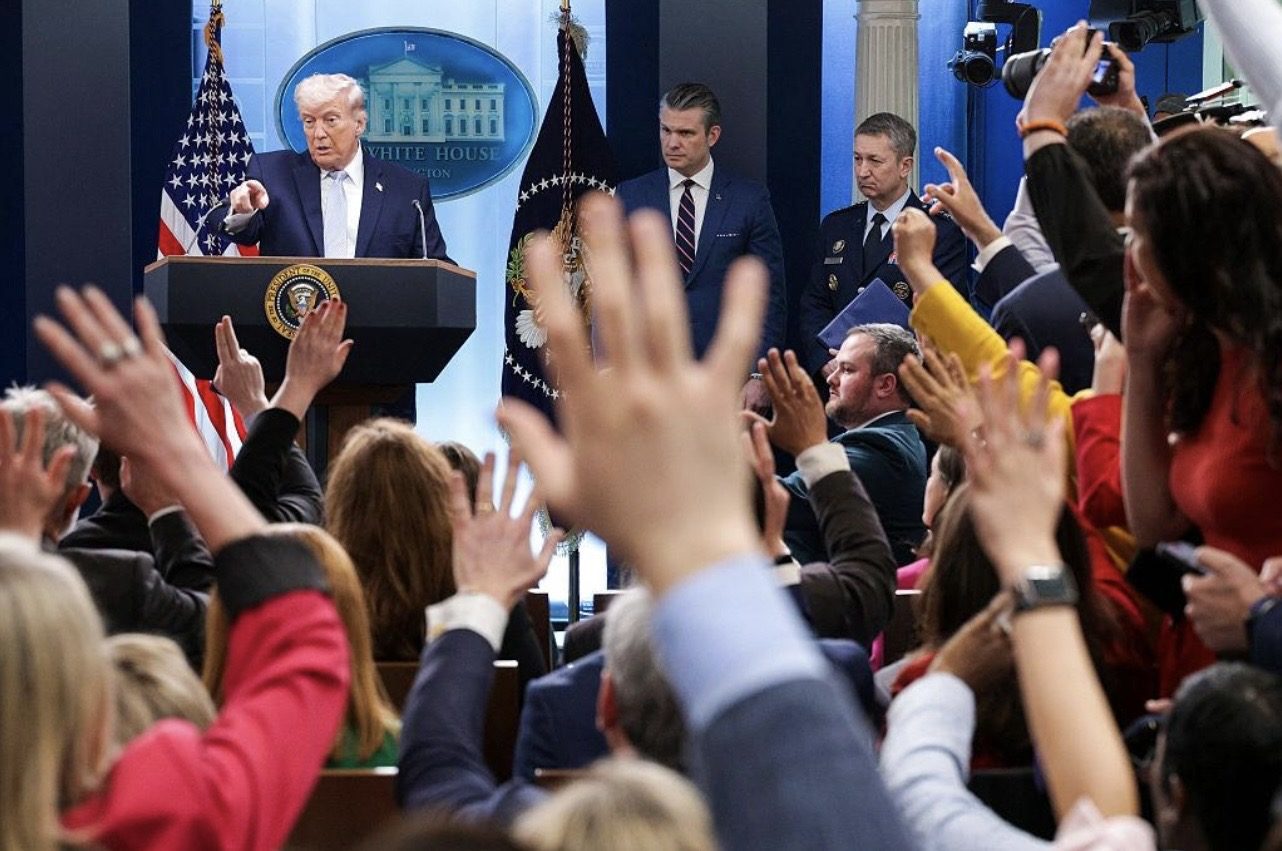
President Donald Trump has indicated that he may relocate journalists covering the White House to a different location, renewing tensions between his administration and the news organizations reporting on his presidency. The remarks, made public on October 24, 2026, followed reports that Trump had previously considered moving press briefings out of the James S. Brady Press Briefing Room.
The president’s comments have prompted renewed discussion about how the White House manages journalists’ access to the executive branch, although no final relocation decision has been announced.
In a post on his Truth Social platform, Trump rejected reports that he planned to remove the existing press briefing room and restore a historic indoor swimming pool beneath it. He dismissed the reported plan but separately suggested that journalists could be moved elsewhere, writing that he might relocate what he called “Fake News” to a “less obnoxious location.”
The distinction is important. Trump denied that he intended to restore the swimming pool, but he did not rule out relocating the press corps. As of October 24, there was no publicly confirmed implementation plan, designated replacement venue, or announced timetable for such a move.
The controversy follows reporting by The New York Times on October 20 that Trump had discussed moving White House news conferences with Karoline Leavitt, his former press secretary, in August. According to that report, the proposal was not implemented during her tenure. CBS News separately reported on October 21 that Trump had discussed moving the press corps to another building, citing two people close to the president.
The White House’s James S. Brady Press Briefing Room has served as a central venue for presidential press briefings for decades. The room was established during President Richard Nixon’s administration in the space previously occupied by an indoor swimming pool built during Franklin D. Roosevelt’s presidency.
Roosevelt, who contracted polio, used swimming and other physical activities as part of his efforts to manage the effects of his condition. The pool was subsequently covered over to create a briefing room as the number of journalists covering the presidency increased. The room was later named after James Brady, the press secretary seriously injured during the 1981 assassination attempt on President Ronald Reagan.
Moving journalists outside the White House would not, by itself, establish that reporters had lost all access to the president. However, the practical consequences would depend on the location selected, the rules governing entry, and whether journalists could continue attending briefings and asking questions directly.
The proposal has emerged against a broader backdrop of disputes over media access. In September, the Trump administration temporarily restricted White House access for journalists from CNN, MS NOW, and Politico. The administration argued that its actions were justified by concerns about the outlets’ reporting and professional standards. The organizations challenged the restrictions in court, arguing that the decision violated constitutional protections and their right to due process.
On September 24, reporting on the case indicated that US District Judge Timothy Kelly had ordered the administration to restore access, finding the restrictions likely unconstitutional. The administration continued to contest the ruling. The dispute demonstrated how decisions about press credentials and access can become legal questions when government officials restrict journalists because of their reporting.
The issue also raises questions about the role of the White House press pool. This rotating group of journalists, photographers, and broadcasters covers presidential movements and events, sharing information with news organizations that cannot all attend every event. Its work helps provide a common record of presidential statements and activities.
If the press corps were moved to a different building, the effect would depend on whether the administration maintained comparable access and facilities. A relocation could involve practical considerations such as space, security, technology, and the logistics of organizing briefings. Critics, however, may view a move that makes it harder for journalists to question the president or obtain information as a threat to effective scrutiny of the executive branch.
The First Amendment protects freedom of the press in the United States, but disputes over access to particular government spaces can involve complex questions about security, administrative authority, and constitutional safeguards. The existence of press protections does not automatically grant every journalist unrestricted access to every government location. At the same time, legal challenges can arise when access decisions appear to discriminate against news organizations because officials dislike their coverage.
Trump has repeatedly accused media organizations of unfair reporting, while journalists and press-freedom advocates have argued that independent scrutiny is essential to democratic accountability. The current dispute should therefore be understood in the context of the administration’s wider disagreements with news outlets, rather than as a confirmed decision to abolish the White House briefing room.
For now, the central facts are that Trump has publicly entertained relocating journalists, denied that he planned to restore the swimming pool as reported, and announced no finalized alternative arrangement. The White House has not publicly established a timetable for moving the press corps.
The next developments will depend on whether the administration turns the suggestion into a formal proposal, where it might relocate journalists, and what access arrangements would accompany any change. Until further details are confirmed, claims that the briefing room is definitely being demolished or that journalists have already been ordered to leave would go beyond the available evidence.
Trump Orders Lawsuit Over Alaska Senate Race, Triggering Election Authority Debate
Trump’s Election Fight Intensifies as Federal Judge Blocks Voting Investigations in Nine States
Obama Hits the Campaign Trail in Ohio and Michigan as Midterm Elections Approach
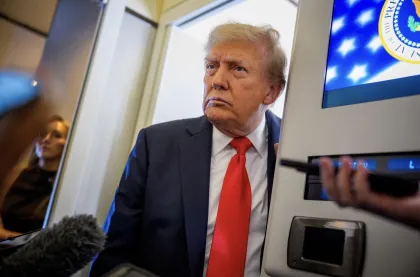
Trump Sues Alaska as Explosive Senate Election Fight Raises Questions Over Certification
Related News
Trump Announces $250 Million Plan to Hire 5,000 Nurses for Elder Care Facilities
Obama Hits the Campaign Trail in Ohio and Michigan as Midterm Elections Approach
Trump Sues Alaska as Explosive Senate Election Fight Raises Questions Over Certification
Comments 0
Log in or create a free account to join the conversation. You can comment anonymously.
No comments yet. Be the first.