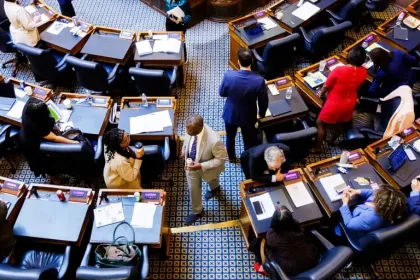

Federal Judge Restricts Trump Administration’s Voter Investigations in Nine States
A federal judge has limited certain federal investigations into suspected noncitizen voting, citing concerns about unreliable data and potential voter intimidation ahead of the November midterm elections.
International Broadcast Journalist · CSB News USA
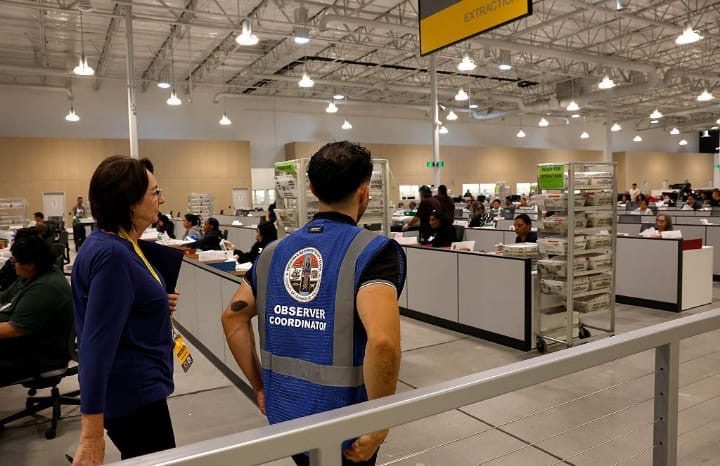
A federal judge has ordered the Trump administration to halt certain investigations into suspected noncitizen voter registration in nine states, raising a significant legal dispute over election security, voting rights, and federal immigration enforcement ahead of the November 3 midterm elections.
U.S. District Judge Araceli Martínez-Olguín issued the ruling in California, finding that the Department of Homeland Security’s approach relied on data that could incorrectly identify American citizens and potentially intimidate people involved in voter assistance activities.
The order covers California, Connecticut, Georgia, Missouri, Nevada, New York, Pennsylvania, Washington, and Wisconsin. The judge directed federal authorities to stop specified election-related field investigations involving people whom officials know, suspect, or reasonably should suspect are U.S. citizens. The restrictions were intended to remain in effect through Election Day, subject to further court action.
The ruling followed a lawsuit brought by civil rights and labor organizations, including the Voto Latino Foundation, the California Nurses Association, and National Nurses United, along with local governments. The groups challenged federal operations in which investigators visited homes to question residents about their citizenship status and possible participation in elections.
According to court findings reported by multiple news organizations, the government’s process for identifying potential suspects carried a substantial risk of error. The judge pointed to concerns about the reliability of government and commercial records used to identify people who might have registered or voted without being eligible.
The Trump administration has defended its investigations, arguing that federal authorities have a responsibility to enforce election laws. Non-U.S. citizens are generally prohibited from voting in federal elections, and authorities can investigate credible allegations of unlawful voting.
However, the judge’s decision did not prohibit all investigations into suspected election crimes. Instead, it focused on specific investigative practices that the court found likely to violate federal protections against voter intimidation.
The ruling comes as election-related disputes intensify before the midterm elections, when voters will determine control of the U.S. House of Representatives and Senate. The outcome could influence congressional oversight, immigration legislation, federal spending, and the administration’s broader policy agenda.
For Bangladeshi Americans and other immigrant communities, the case highlights the importance of understanding the distinction between citizenship and immigration status. Lawful permanent residents, commonly known as green card holders, generally cannot vote in federal elections. Naturalized U.S. citizens, however, may vote if they meet applicable registration and other eligibility requirements.
The court’s decision does not mean that immigrants generally are under investigation, nor does it change the voting eligibility rules. People who receive official inquiries about their status or voting history should seek qualified legal advice if they are unsure how to respond.
The legal dispute also raises broader questions about how government agencies use databases to identify suspected violations and how officials can investigate potential wrongdoing without improperly affecting eligible voters.
With Election Day approaching, further court proceedings could determine how federal authorities conduct election-related investigations in the affected states. The case is likely to remain an important part of the national debate over election integrity, civil rights, and the limits of federal enforcement power.
Related News
Trump Targets Wind Imports While Bombardier Announces $270 Million Investment in American Jobs
Iran War and Rising Prices Take Center Stage in Key Alaska Senate Debate
Hakeem Jeffries Says Democrats Are Closing In on Winning Back the US House