Bangladesh's Military Review and Why India Should Pay Attention
The Bangladesh Ministry of Defence's notification of 8 July 2026, establishing a high-level committee to review allegations of discrimination, forced retirement, dismissal and other service-related grievances involving military officers between 2009 and 4 August 2024, may appear at first glance to be a routine internal administrative exercise. The committee has been tasked with examining applications from serving and retired personnel of the Army, Navy and Air Force, with recommendations due by December 2026

Bangladesh's Military Review and Why India Should Pay Attention
The Bangladesh Ministry of Defence's notification of 8 July 2026, establishing a high-level committee to review allegations of discrimination, forced retirement, dismissal and other service-related grievances involving military officers between 2009 and 4 August 2024, may appear at first glance to be a routine internal administrative exercise. The committee has been tasked with examining applications from serving and retired personnel of the Army, Navy and Air Force, with recommendations due by December 2026.
While the initiative is officially aimed at providing institutional redress, it inevitably reopens decisions taken during Sheikh Hasina's 15-year tenure. In doing so, it raises a larger question with significant regional implications: how can a nation address historical grievances without undermining the continuity and credibility of its key institutions?
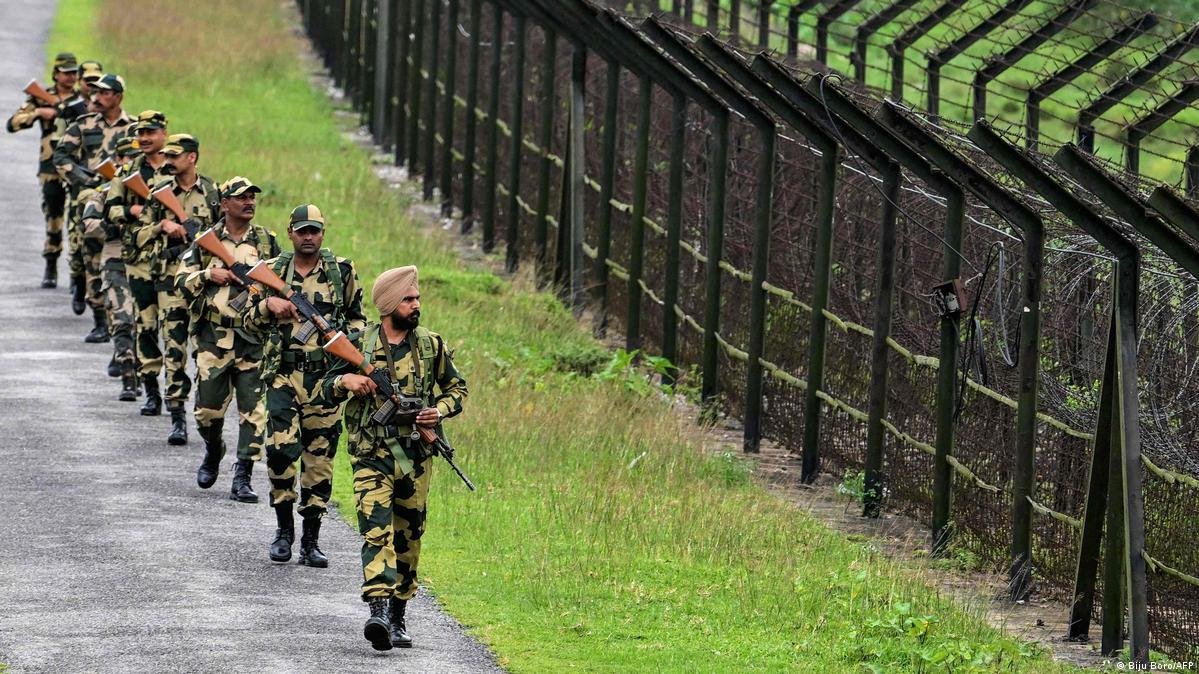
For India, this is not a distant domestic matter. Bangladesh is India's closest neighbour in the eastern region, sharing a 4,096-kilometre border, deep intelligence cooperation, robust counter-terrorism coordination, and growing economic linkages. Any development that affects the professionalism, cohesion or apolitical character of Bangladesh's armed forces directly impacts India's security calculus.
Democratic transitions naturally bring demands for accountability. Governments have a legitimate duty to investigate genuine cases of injustice and ensure fairness in public institutions. However, an equally vital democratic principle is institutional continuity. When successive regimes repeatedly revisit administrative decisions, especially in sensitive institutions like the armed forces, they risk creating uncertainty about whether professional careers are determined by merit or by shifting political equations.
This concern is not unique to Bangladesh. Globally, armed forces derive their effectiveness and credibility from the perception that promotions, postings and disciplinary actions remain largely insulated from partisan politics. While legitimate grievances deserve impartial redressal, large-scale retrospective reviews covering an entire political era can blur the line between accountability and political revisionism. Even when conducted with good intentions, such exercises may generate unease within the officer corps and raise questions about the permanence of institutional decisions.
From India's perspective, this issue carries added weight. The period between 2009 and 2024 witnessed unprecedented expansion in India-Bangladesh security cooperation. Intelligence sharing improved markedly, cross-border insurgent networks were dismantled, and defence and border management ties reached new heights. These gains rested not only on political understanding but on sustained institutional trust between the two countries' security establishments.
New Delhi therefore has a strong, enduring stake in the stability of Bangladesh's armed forces. Irrespective of which party governs in Dhaka, India's long-term security interests are best served by a professional, cohesive and politically neutral military focused on national defence rather than becoming subject to recurring political contestation. Frequent reassessment of past decisions risks reinforcing the perception that institutional processes are vulnerable to electoral changes.
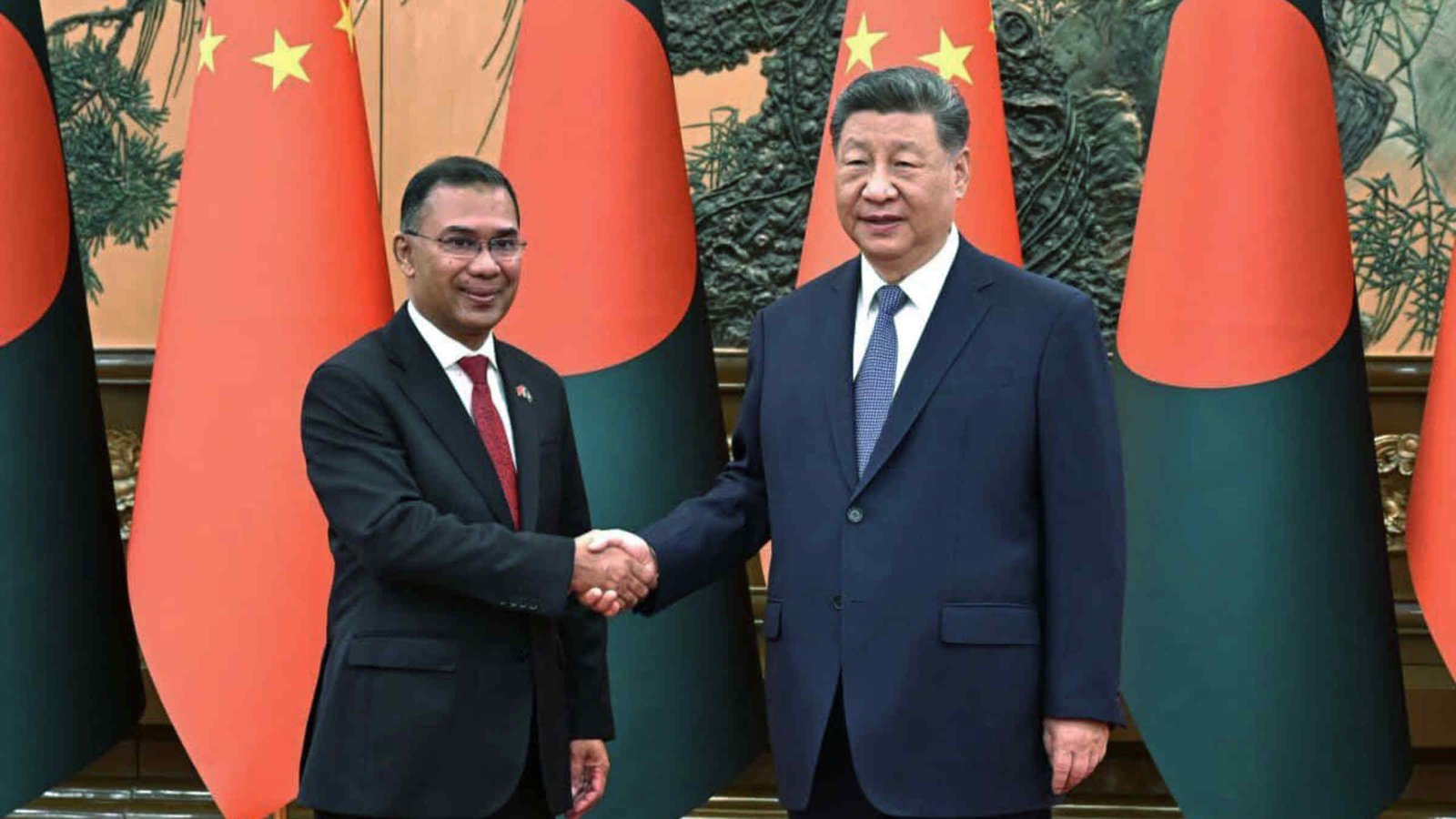
The implications extend beyond bilateral ties. Bangladesh occupies a strategically vital position in the Bay of Bengal, where competition between India and China is intensifying. In such an environment, political stability and institutional predictability are strategic assets. A military perceived as professional and apolitical strengthens confidence not only within Bangladesh but also among its regional partners.
This does not mean legitimate grievances should be ignored. An impartial and time-bound review mechanism is entirely appropriate. However, the process must uphold procedural credibility and strengthen public trust in institutions rather than create a precedent that every political transition will trigger a fresh review of previous decisions.
Ultimately, the importance of this notification lies not in the number of cases it may address, but in the precedent it sets. Bangladesh's democratic journey will be judged not merely by how it corrects past wrongs, but by how successfully it preserves the institutional continuity that enables state institutions to function above political cycles.
For India, the message is clear: a stable, professional and politically neutral Bangladesh Armed Forces is not just in Dhaka's interest—it is a cornerstone of regional security in South Asia. As Bangladesh navigates this sensitive process, the real challenge will be to deliver justice without inadvertently weakening the institutional confidence that has underpinned one of the region's most important bilateral partnerships.
Reyasat Ali, Political Analyst