Trump Weighs New Military Strikes Against Iran as Talks Stall
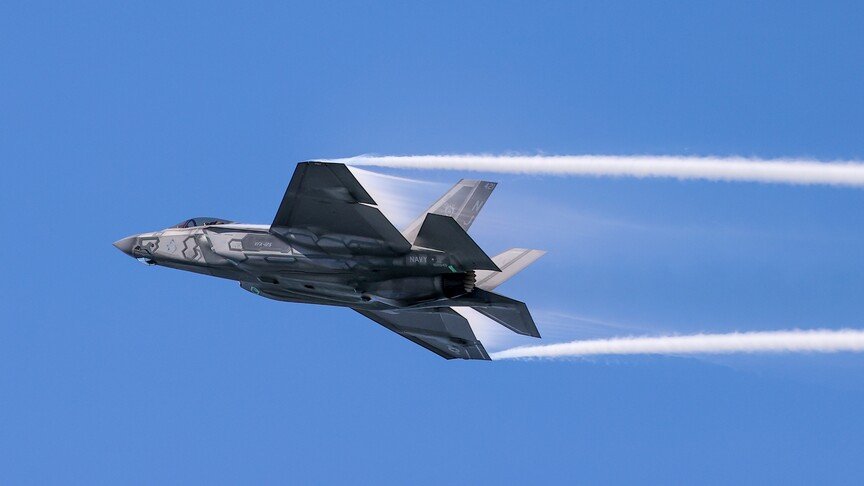
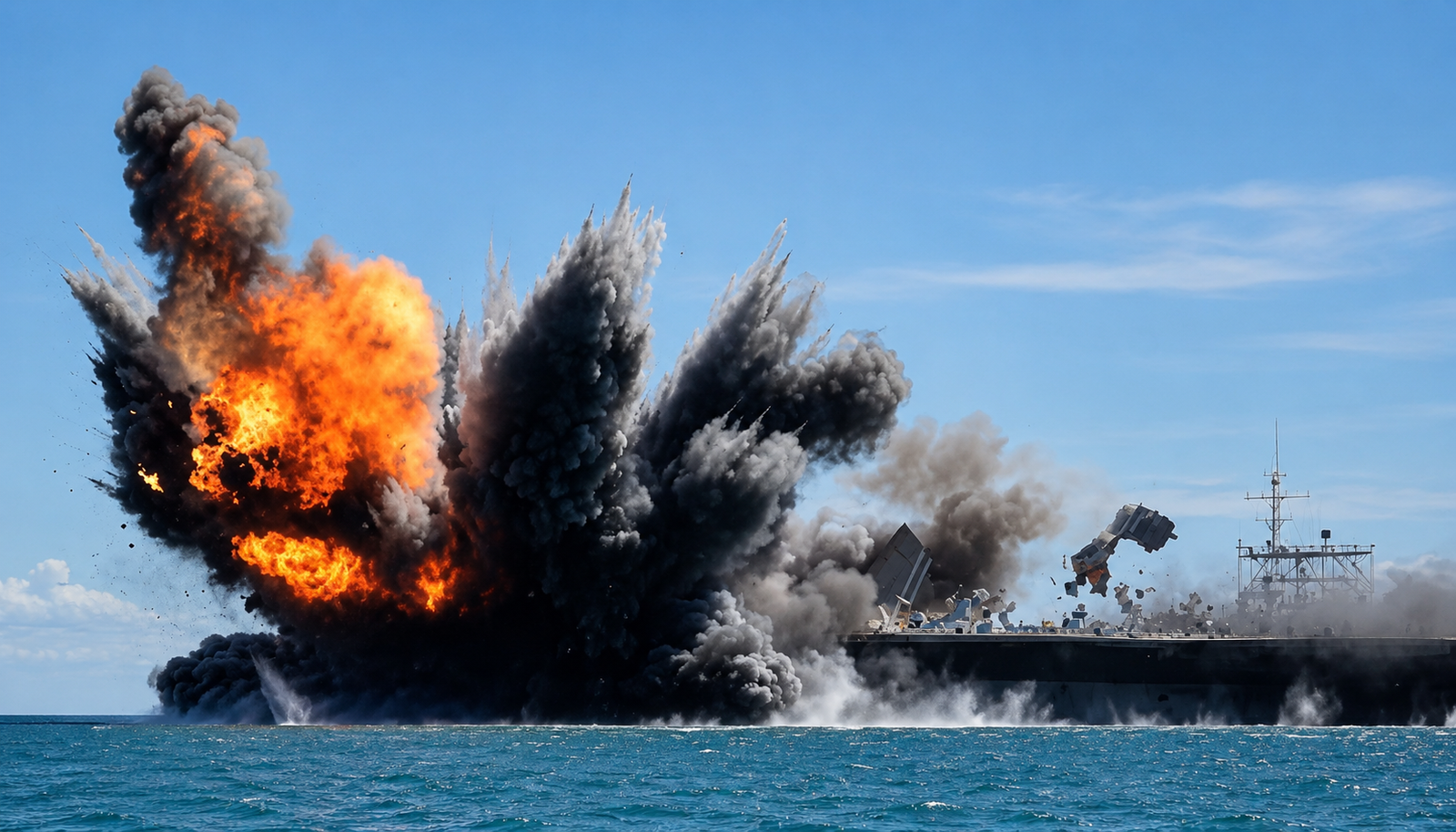
U.S. President Donald Trump is considering fresh military strikes against Iran as negotiations over Tehran’s nuclear program and control of the Strait of Hormuz appear to have reached a deadlock

Trump Weighs New Military Strikes Against Iran as Talks Stall
U.S. President Donald Trump is considering fresh military strikes against Iran as negotiations over Tehran’s nuclear program and control of the Strait of Hormuz appear to have reached a deadlock.
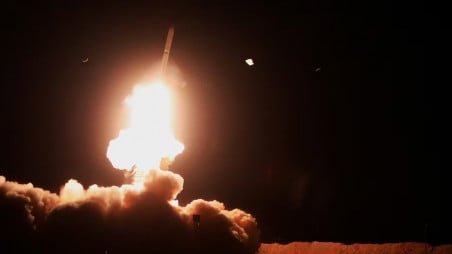
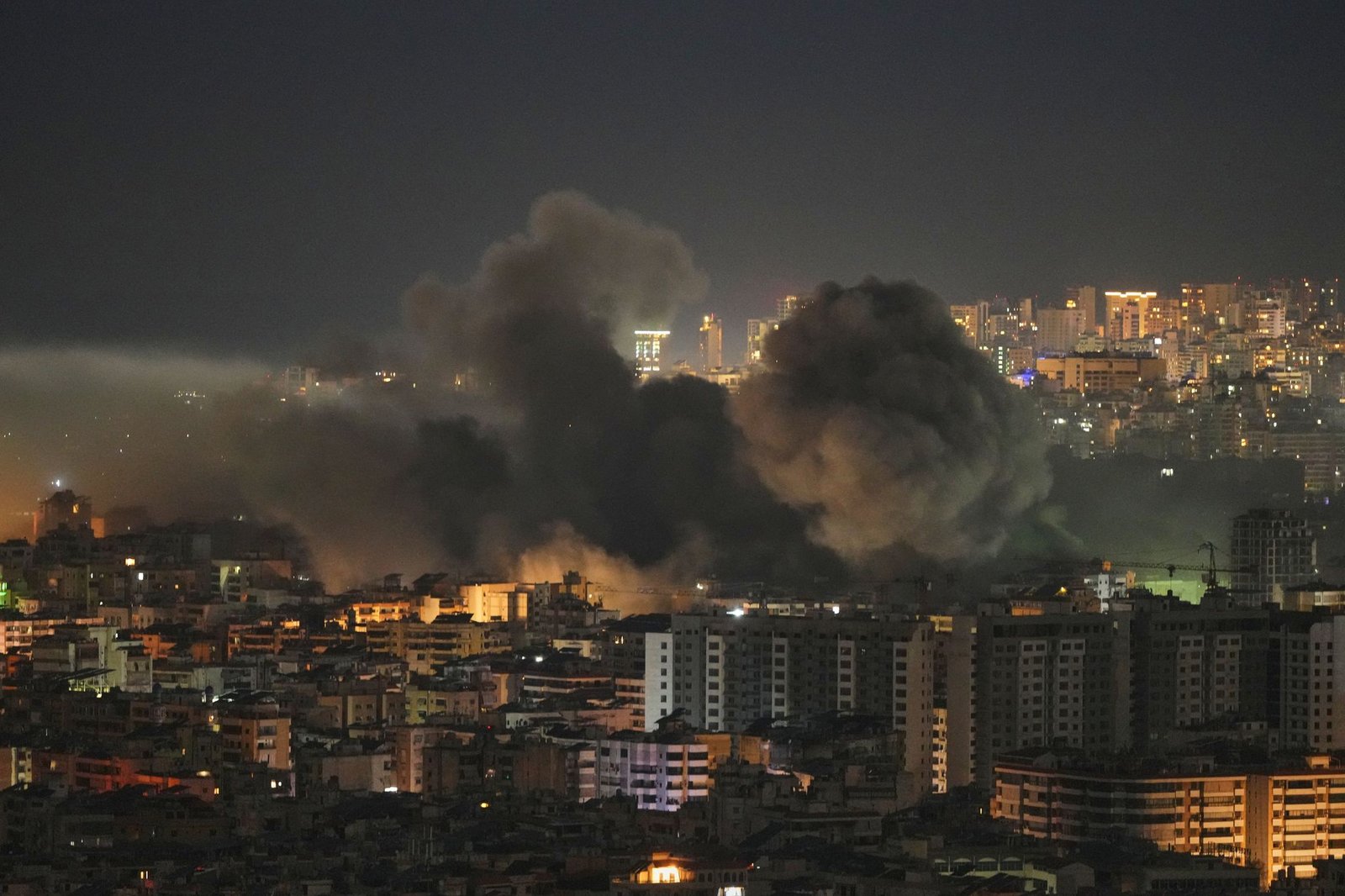
According to reports, Trump met Defense Secretary Pete Hegseth in the Oval Office on Friday to review possible military options. Potential targets include untouched energy facilities, underground uranium storage sites in Isfahan, and missile bases that Iran has reportedly restored after earlier attacks.
After weeks of claiming a deal with Iran was close, Trump now faces a far more difficult situation. He announced he would skip his son Donald Trump Jr.’s wedding this weekend because of “circumstances pertaining to the Government.”
No Clear Victory Despite Weeks of War
Although Trump has repeatedly said Iran’s navy and air force were devastated and many missile sites destroyed, the campaign has failed to force Tehran to surrender or make major concessions.
Crucially, Iran’s near-bomb-grade enriched uranium remains stored deep underground near Isfahan. Iran’s missile program has been weakened but not eliminated, while Tehran still maintains significant control over the Strait of Hormuz.
Political Risks Growing for Trump
Renewed military action could carry major political consequences for Trump. Gasoline prices in parts of the United States have already climbed above $5 per gallon, and another escalation could push energy prices even higher.
Public opinion polls also show growing opposition to the war, with Trump’s approval rating reportedly falling to around 37 percent.
At the same time, some Republicans are pressuring him not to back down. Senator Roger Wicker said pursuing further negotiations with Iran could be viewed as weakness and urged the administration to “finish what we started.”
Energy Infrastructure Could Be Targeted
One option under consideration is expanding attacks on Iran’s energy and infrastructure network, including power plants, oil fields, roads, bridges, and desalination facilities.
Critics warn that strikes on civilian infrastructure could violate international law and resemble tactics used in other major conflicts. Pentagon officials, however, argue that proposed targets are linked to the Islamic Revolutionary Guard Corps and are intended to weaken the regime’s power structure.
Missile Bases and the Strait of Hormuz
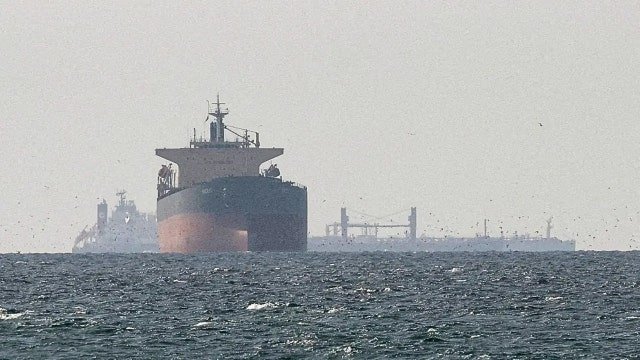
Military planners have also discussed intensified bombing campaigns around the Strait of Hormuz to reduce Iran’s influence over the critical shipping route, which previously carried about one-fifth of the world’s oil supply.
However, U.S. officials reportedly worry about declining American stockpiles of long-range missiles and heavy bunker-busting munitions needed to destroy Iran’s hardened underground facilities.
Intelligence assessments indicate Iran has regained access to most of its missile sites near the strait, while roughly 90 percent of underground missile facilities across the country are said to be partially or fully operational again.
Debate Over Iran’s Enriched Uranium
Trump is also weighing whether to destroy Iran’s stockpile of highly enriched uranium buried underground near Isfahan.
Earlier in the conflict, the United States and Israel reportedly developed plans for special operations forces to enter Iran and seize the uranium. But Trump eventually rejected the mission because of the high risks and potential casualties.
Now officials are considering using advanced bunker-buster bombs to destroy or permanently bury the uranium stockpile underground.
Iranian Leadership Could Also Be Targeted
The report says the United States and Israel may also consider targeting Iran’s leadership.
During the earlier stages of the war, Israel reportedly killed Iran’s Supreme Leader Ali Khamenei. He was replaced by his son Mojtaba Khamenei, whom Trump has publicly criticized as “unacceptable” and a “lightweight.”
Trump has also made threatening remarks about Iranian Parliament Speaker Mohammad Bagher Ghalibaf, saying, “We know where he lives.