Iran Responds to US Peace Proposal as Gulf Drone Strikes Raise Fears of Ceasefire Breakdown
Iran has said it has formally responded to a US peace proposal, while new drone incidents across the Gulf region and fresh warnings from Israel have increased concerns that the fragile ceasefire may be collapsing

Iran Responds to US Peace Proposal as Gulf Drone Strikes Raise Fears of Ceasefire Breakdown
Iran has said it has formally responded to a US peace proposal, while new drone incidents across the Gulf region and fresh warnings from Israel have increased concerns that the fragile ceasefire may be collapsing.
Iranian state media reported that Tehran’s response was delivered to Washington through Pakistani mediators, a claim later confirmed by Pakistan. The response comes one week after the United States proposed a 14-point framework aimed at reopening the Strait of Hormuz and creating a basis for future negotiations over Iran’s nuclear programme.
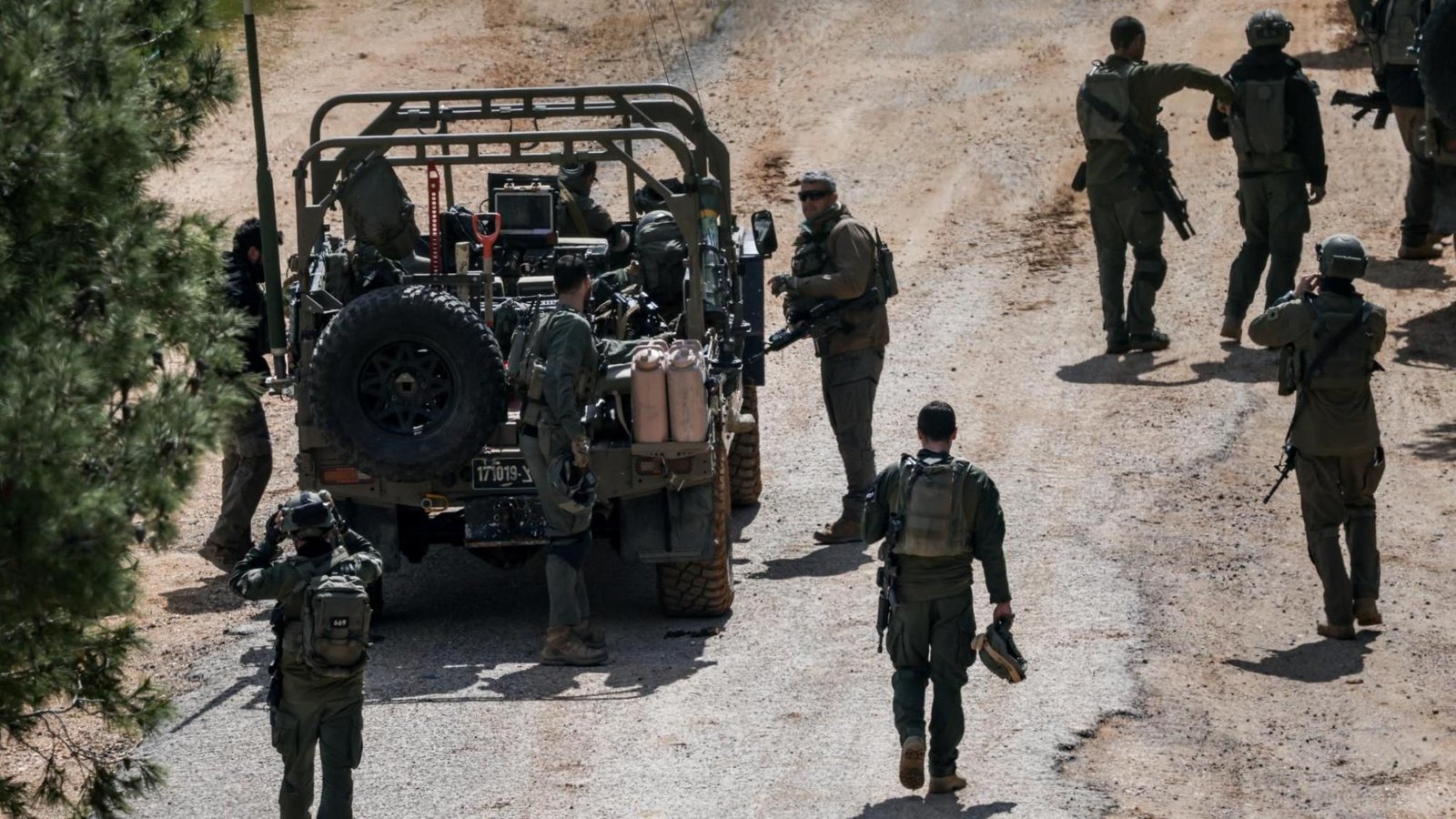
Israeli Prime Minister Benjamin Netanyahu declared that the conflict was “not over” as long as Iran retained a stockpile of highly enriched uranium (HEU), which could potentially be used for nuclear weapons. Speaking to the CBS programme 60 Minutes, Netanyahu said Iran’s enrichment facilities must be dismantled and the uranium removed, even suggesting that forces may need to enter Iran to secure the material.
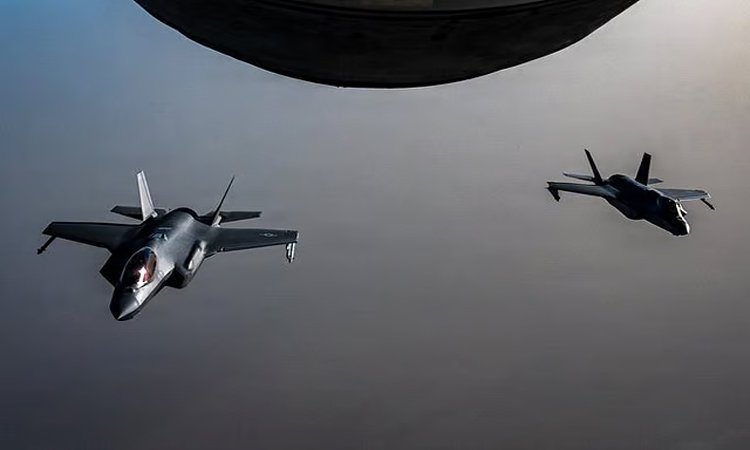
US President Donald Trump appeared to take a somewhat different tone in a separate interview, saying the United States was closely monitoring Iran’s uranium stockpile through satellite surveillance and military intelligence. Trump warned, however, that the US could resume strikes on Iran if necessary and claimed that additional military targets remain available.
At the centre of the dispute is Iran’s estimated 440 kilograms of uranium enriched to 60% purity — close to weapons-grade level. According to the International Atomic Energy Agency, at least half of the material is believed to be buried deep underground near Isfahan.
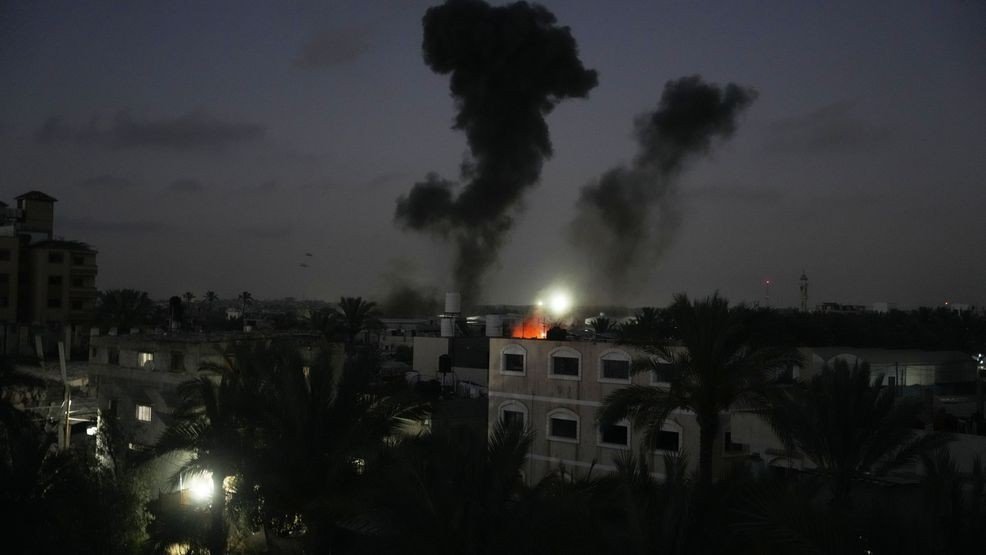
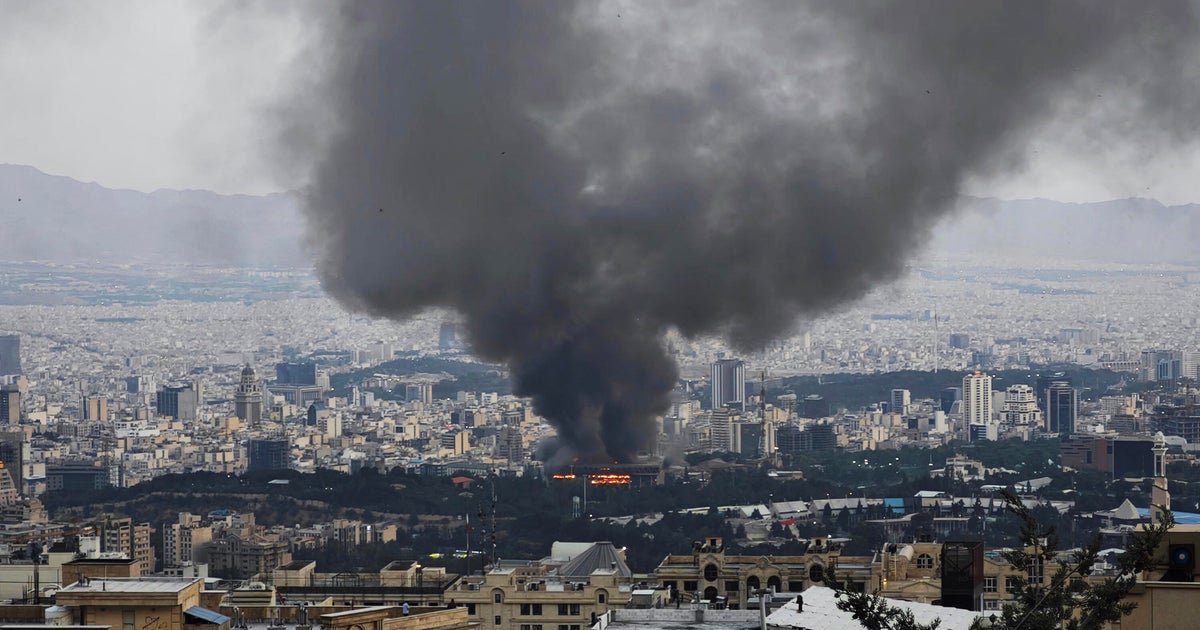
Meanwhile, the Pakistan-brokered ceasefire that took effect on 8 April is showing signs of strain. The United Arab Emirates and Kuwait both reported drone incursions into their airspace, while a drone attack sparked a small fire aboard a vessel near Qatar’s coast. Another strike reportedly targeted a camp belonging to an Iranian Kurdish rebel group near Erbil in northern Iraq.
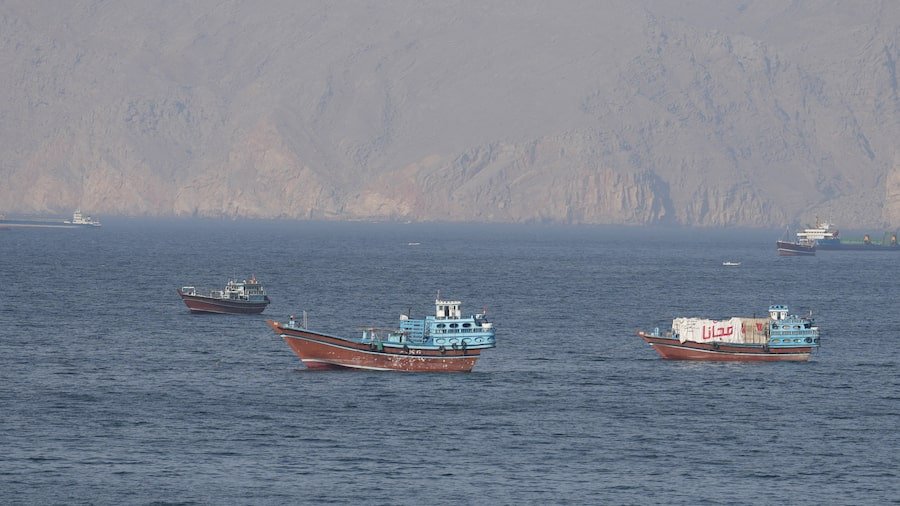
Tensions over the Strait of Hormuz also remain high. Iran has reportedly demanded that ships passing through the waterway coordinate with Iranian forces and pay a transit fee. Earlier this month, Trump launched “Project Freedom,” an operation intended to escort vessels through the Gulf, but the effort was halted after Saudi Arabia refused to allow US forces to use its airspace and military bases.
Qatar condemned the latest maritime attack as a “serious escalation.” Prime Minister Sheikh Mohammed bin Abdulrahman Al Thani urged Iran not to use the Strait of Hormuz as a political pressure tool, warning that restrictions on maritime navigation could deepen the regional crisis.
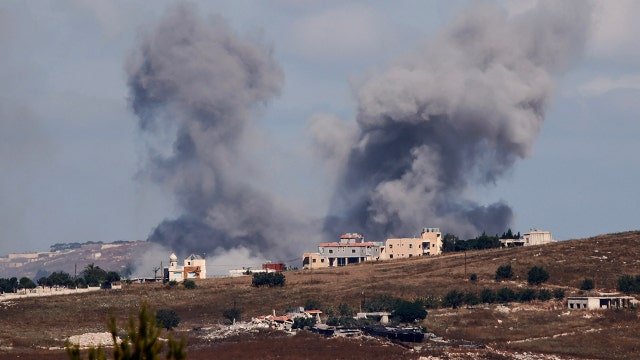
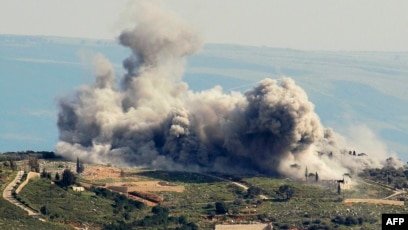
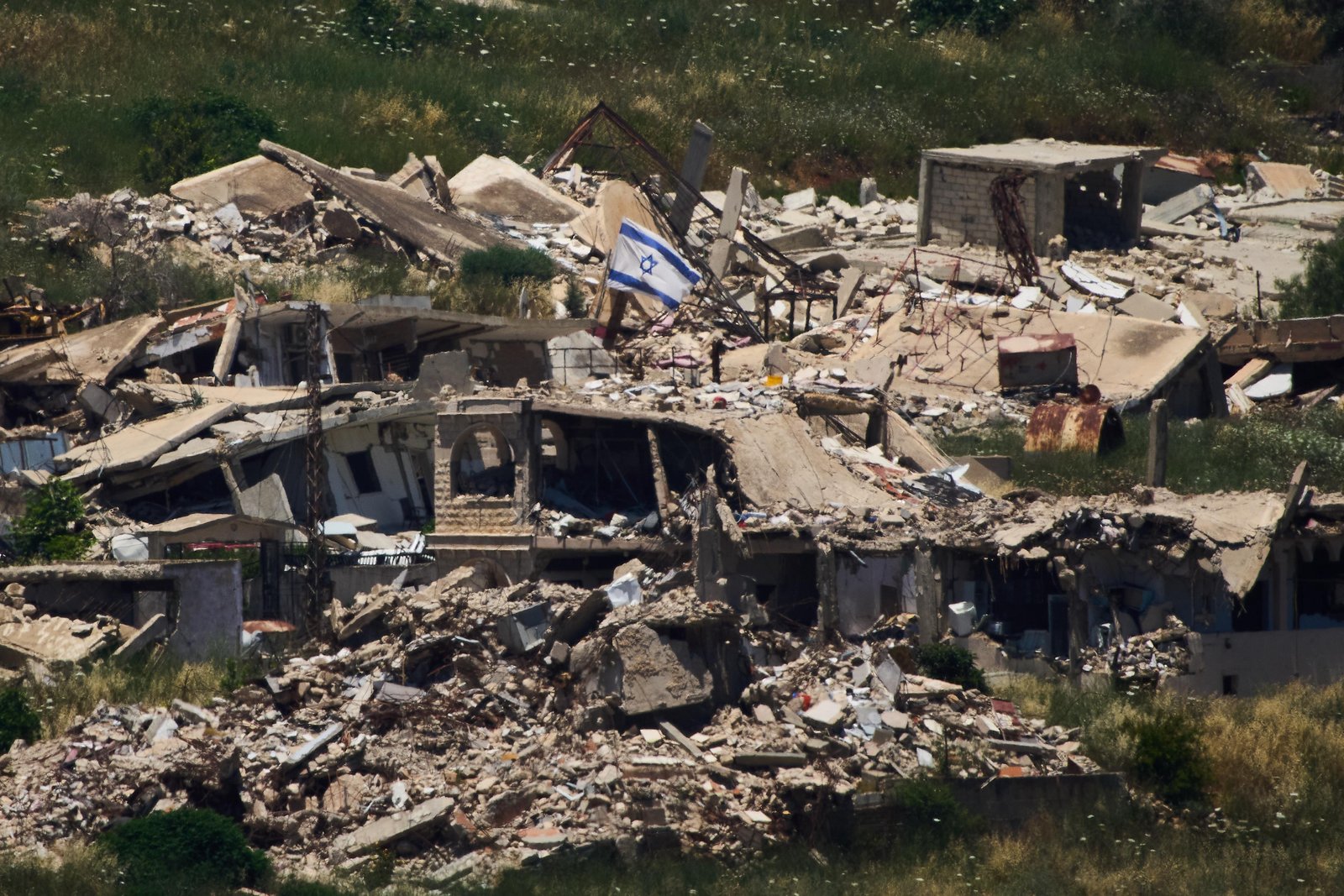
Violence has also continued in Lebanon despite ceasefire efforts. Israeli forces carried out further strikes against Hezbollah targets, while Lebanon’s health ministry reported at least 36 people killed and 74 wounded in attacks on Saturday. Israel said it intercepted several Hezbollah drones approaching its troops near the border.