U.S. Fires on Tankers as Tehran Accuses Washington of ‘Reckless’ Attacks
Tensions in the Middle East escalated further on Friday after the United States said it had fired on two Iranian-flagged oil tankers in the Strait of Hormuz, while Tehran accused Washington of undermining diplomatic efforts to end the conflict

U.S. Fires on Tankers as Tehran Accuses Washington of ‘Reckless’ Attacks
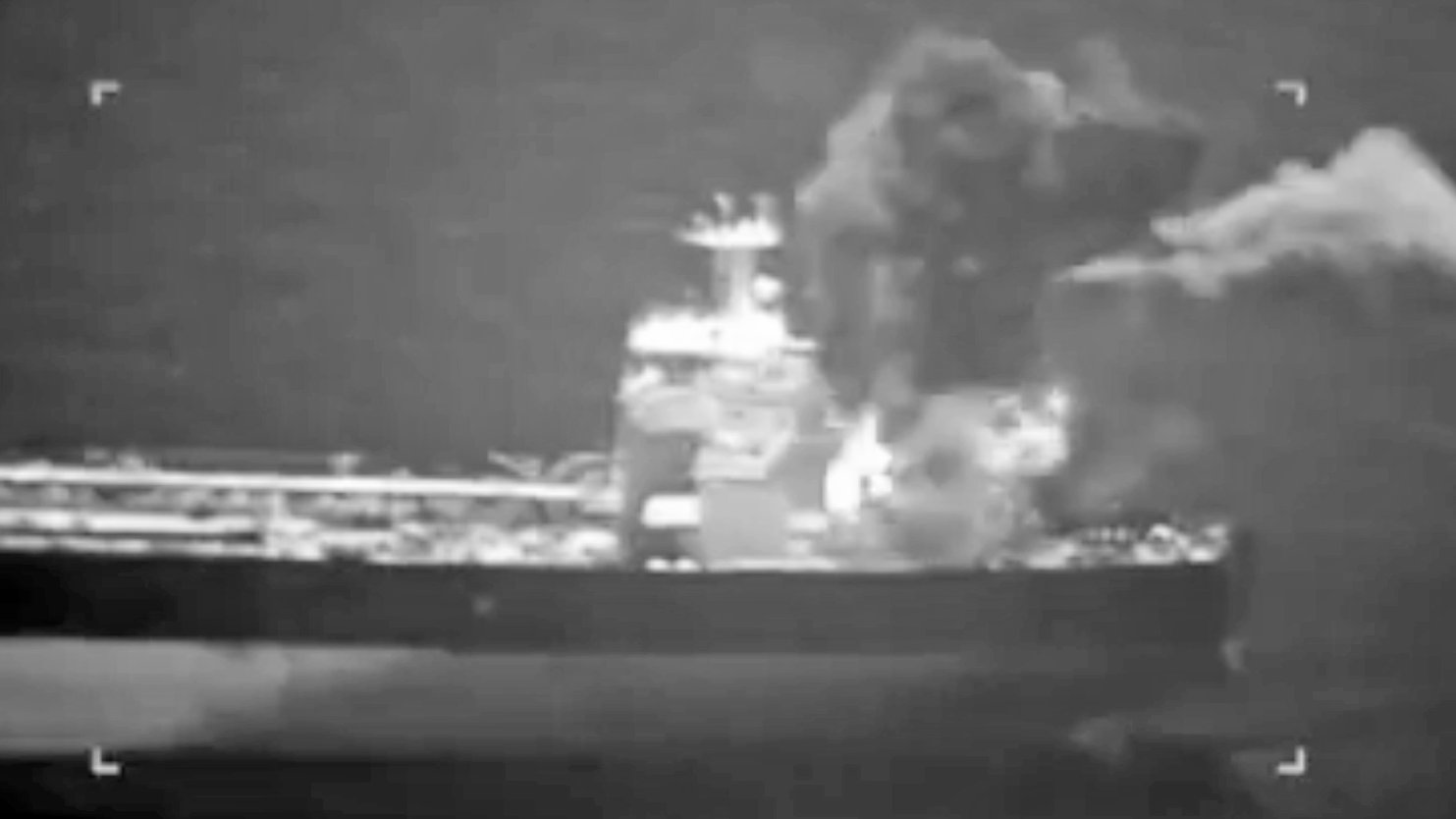
Tensions in the Middle East escalated further on Friday after the United States said it had fired on two Iranian-flagged oil tankers in the Strait of Hormuz, while Tehran accused Washington of undermining diplomatic efforts to end the conflict.
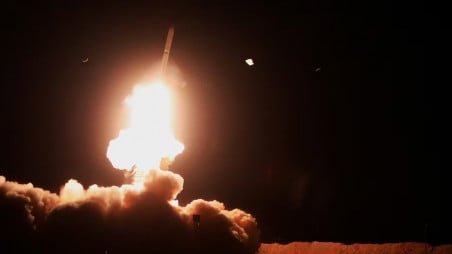
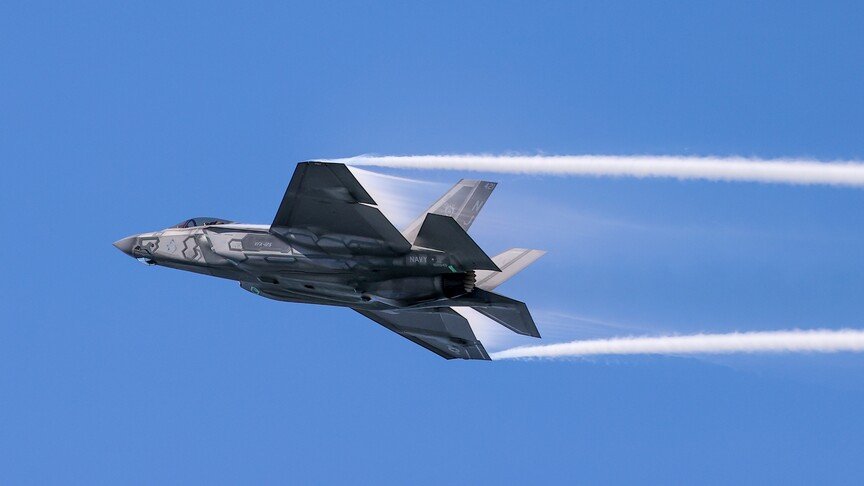
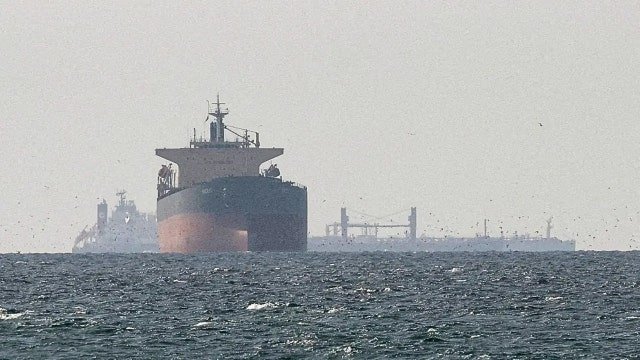
According to U.S. Central Command (CENTCOM), American forces disabled the two tankers as they attempted to reach an Iranian port. The strikes came just a day after U.S. and Iranian forces exchanged missile and drone fire in the strategic waterway, one of the world’s most critical oil transit routes.
Iranian officials said the confrontation was triggered by an earlier American strike on another Iranian tanker, further straining what both sides have described as a fragile cease-fire.
At the same time, Washington and Tehran are reportedly discussing a temporary diplomatic framework aimed at reopening the Strait of Hormuz and suspending hostilities for 30 days while broader negotiations continue.
Iranian officials familiar with the talks said the proposed one-page agreement includes three immediate steps: lifting the U.S. naval blockade on Iranian ports, restoring commercial shipping through Hormuz, and halting military operations during negotiations.
However, major disagreements remain over Iran’s nuclear program. The United States is reportedly demanding advance commitments regarding Iran’s enriched uranium stockpile and the future of key nuclear facilities. Tehran, meanwhile, has proposed transferring part of its uranium stockpile to a third country, possibly Russia, while suspending enrichment for a shorter period.
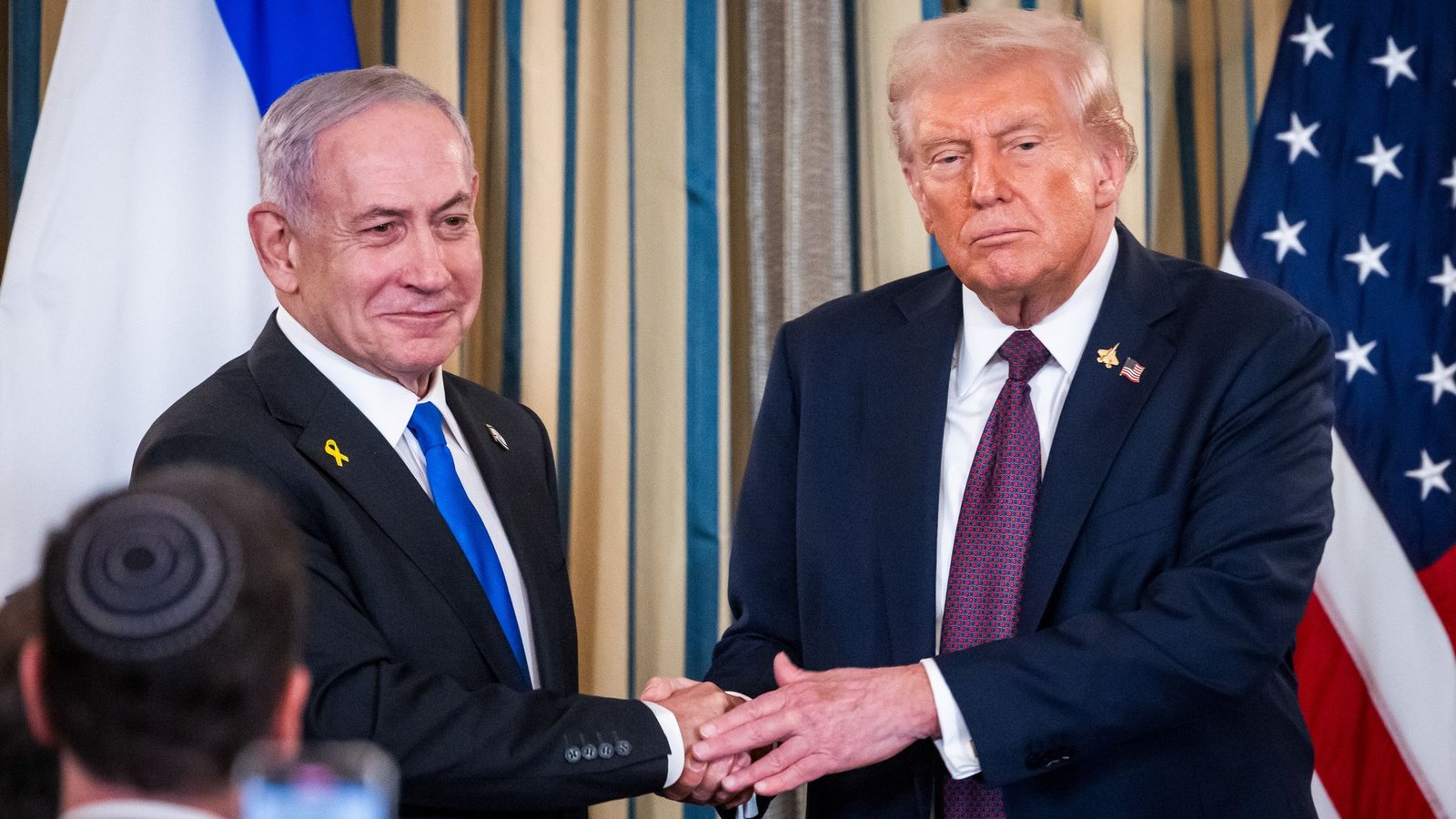
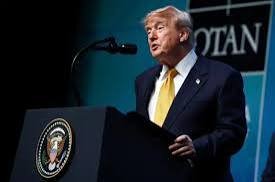
President Donald Trump insisted that the cease-fire remained intact despite the latest exchange of fire. Speaking to reporters in Washington, he dismissed the clashes as “a trifle” and warned Iran to sign the proposed agreement quickly.
Iranian Foreign Minister Abbas Araghchi sharply criticized Washington’s actions, accusing the United States of sabotaging diplomacy.
“Every time a diplomatic solution is on the table, the U.S. opts for a reckless military adventure,” Araghchi wrote on social media, questioning whether the strikes were intended to pressure Tehran or derail negotiations entirely.
New U.S. Sanctions on Iran and China-linked Firms
The Trump administration also announced a new wave of sanctions targeting individuals and companies in China, Hong Kong, Belarus and the United Arab Emirates accused of helping Iran acquire missile and drone technology.
Treasury Secretary Scott Bessent said the measures were intended to weaken Iran’s military supply chain and increase pressure on Tehran to reopen the Strait of Hormuz.
China, the largest buyer of Iranian oil, has become a growing point of friction between Washington and Beijing ahead of a planned summit between Trump and Chinese President Xi Jinping next week.
Oil Markets and Global Concerns
The Strait of Hormuz handles roughly one-fifth of the world’s seaborne oil trade, making any disruption a major global concern.
U.S. officials said American forces have redirected dozens of commercial vessels and disabled several ships attempting to enter Iranian ports. Meanwhile, Iran has tightened restrictions on maritime traffic in the region.
Oil prices rose modestly amid the uncertainty. Brent crude settled above $101 a barrel, while investors continued to monitor signs of further escalation.
Large Oil Spill Near Kharg Island
Satellite imagery also revealed a significant oil slick spreading near Iran’s Kharg Island, the country’s main crude oil export terminal.
Experts estimate that more than 3,000 barrels of oil may have leaked into the Persian Gulf, raising concerns about environmental damage and the deteriorating condition of Iran’s oil infrastructure under wartime pressure.
Analysts warned that prolonged sanctions, naval blockades and repeated attacks on energy facilities have pushed Iran’s oil system into a dangerous and unstable state.
Rising Tensions Beyond Iran
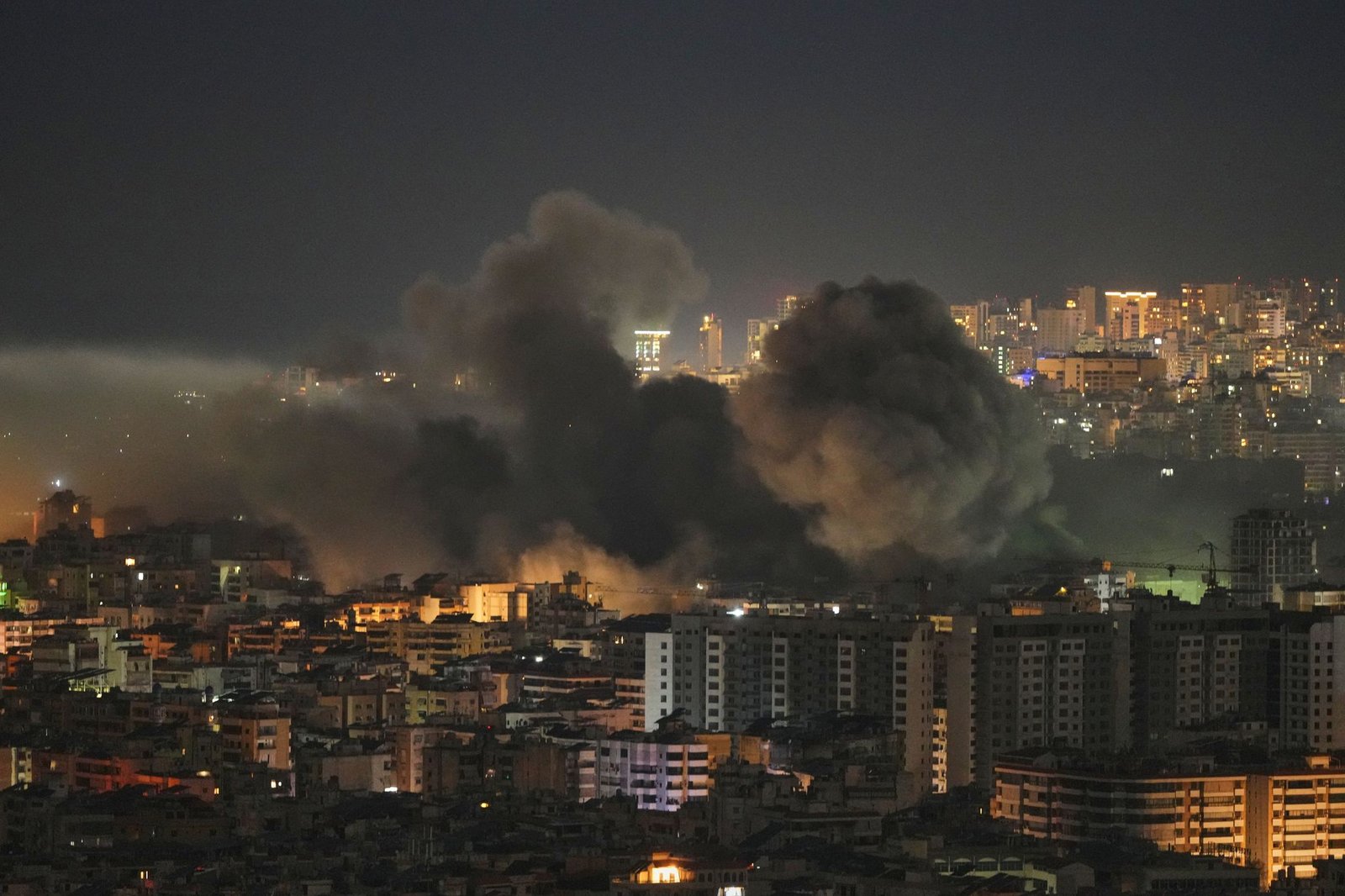
Elsewhere in the region, fighting between Israel and Hezbollah intensified in southern Lebanon, threatening another already fragile cease-fire.
Israeli airstrikes reportedly killed at least four people, while rockets were launched toward northern Israel later in the day. Observers fear that expanding regional violence could complicate ongoing diplomatic efforts between Washington and Tehran.
With military clashes continuing alongside fragile negotiations, the Middle East remains on edge as global powers race to prevent a wider regional war.