Iran, U.S. Signal Progress as Cease-Fire Remains Fragile
Iranian and U.S. officials on Saturday signaled progress in diplomatic efforts aimed at preventing a return to full-scale war, even as uncertainty continued to surround the monthlong cease-fire between the two sides

Iran, U.S. Signal Progress as Cease-Fire Remains Fragile
Iranian and U.S. officials on Saturday signaled progress in diplomatic efforts aimed at preventing a return to full-scale war, even as uncertainty continued to surround the monthlong cease-fire between the two sides.
Iran’s Foreign Ministry spokesman, Esmail Baghaei, said Washington and Tehran were in the “final stage” of drafting a memorandum of understanding. He suggested that the contentious issue of Iran’s nuclear program could be postponed for later negotiations.
“The positions of the two sides are becoming closer,” Baghaei said in remarks carried by Iranian state media. “We may be able to reach a mutually acceptable solution.”
While the White House did not immediately comment, U.S. Secretary of State Marco Rubio indicated that negotiations were moving forward. Speaking during an official visit to India, Rubio said “some progress” had been made and hinted that developments could emerge later in the day.
“Even as I speak to you now, there’s some work being done,” Rubio said.
A senior regional official involved in mediation efforts also said the United States and Iran appeared close to reaching a deal.
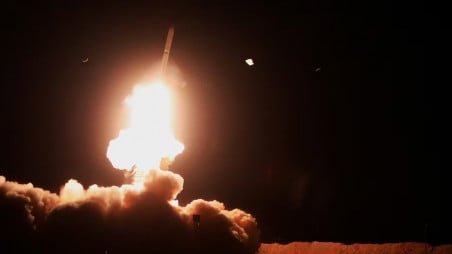
Despite the diplomatic optimism, Iranian leaders also issued warnings. Iran’s chief negotiator and parliamentary speaker Mohammad Bagher Ghalibaf said Iran’s military capabilities had been rebuilt during the cease-fire period.
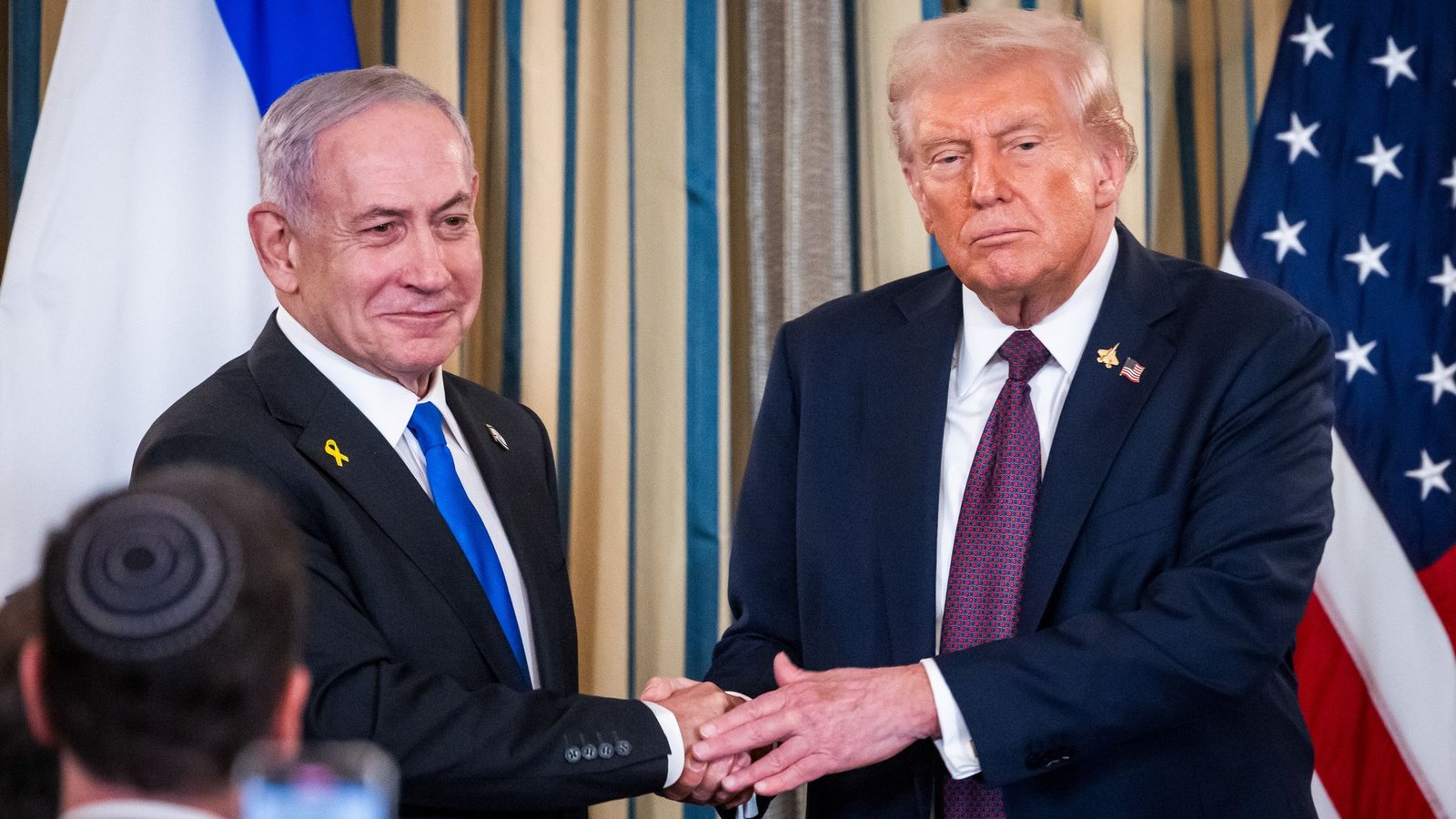
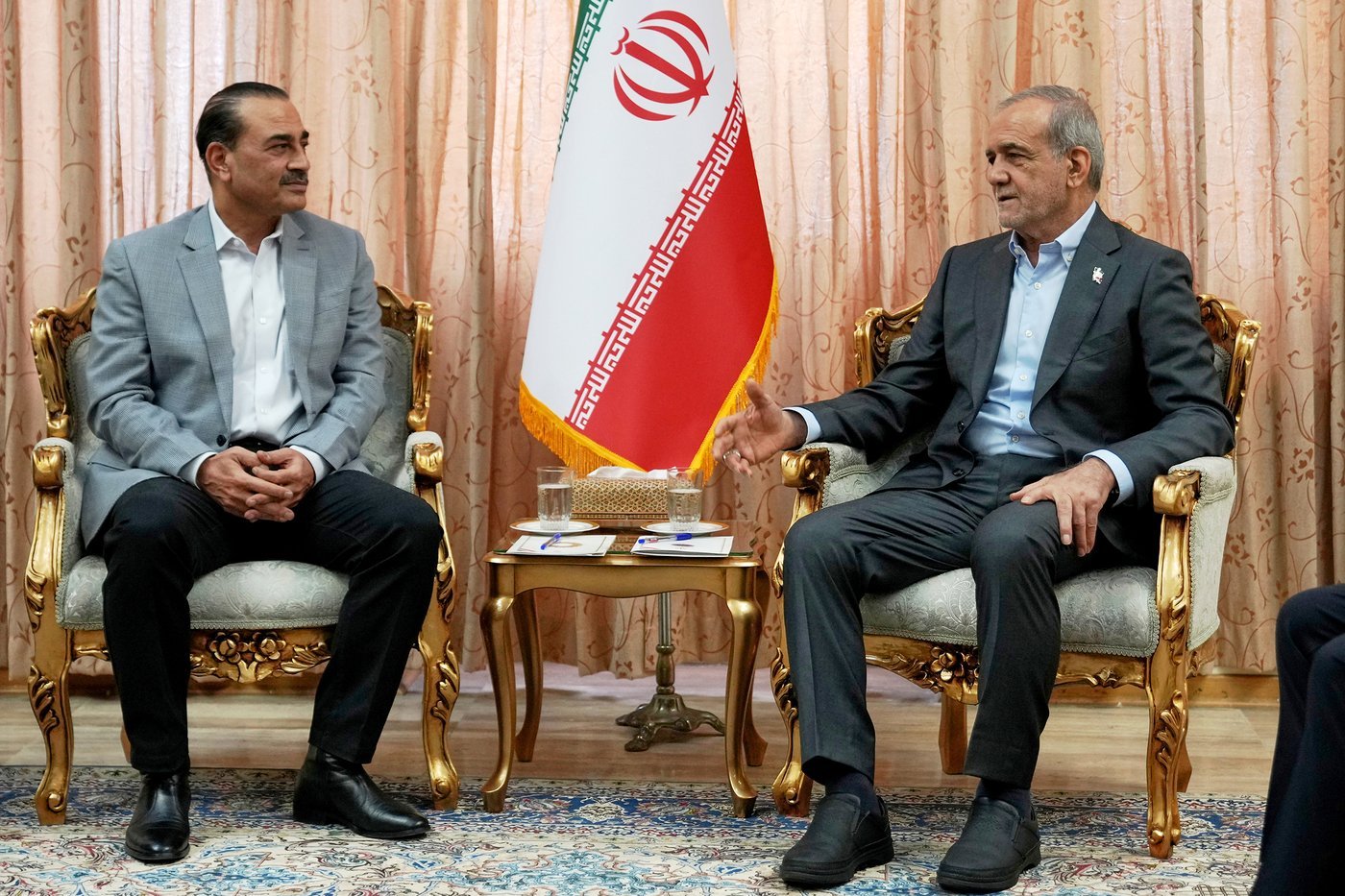
“If Trump acts foolishly and the war resumes, the response against the United States will certainly be more crushing and bitter than on the first day of the war,” Ghalibaf said during a meeting with Pakistan’s army chief, Syed Asim Munir.
Munir has played a major role in mediation efforts between Tehran and Washington, with his latest visit to Iran seen as part of intensified shuttle diplomacy.
Meanwhile, U.S. President Donald Trump spoke with Qatar’s emir, Sheikh Tamim bin Hamad Al Thani, regarding efforts to stabilize the cease-fire, according to Qatari officials.
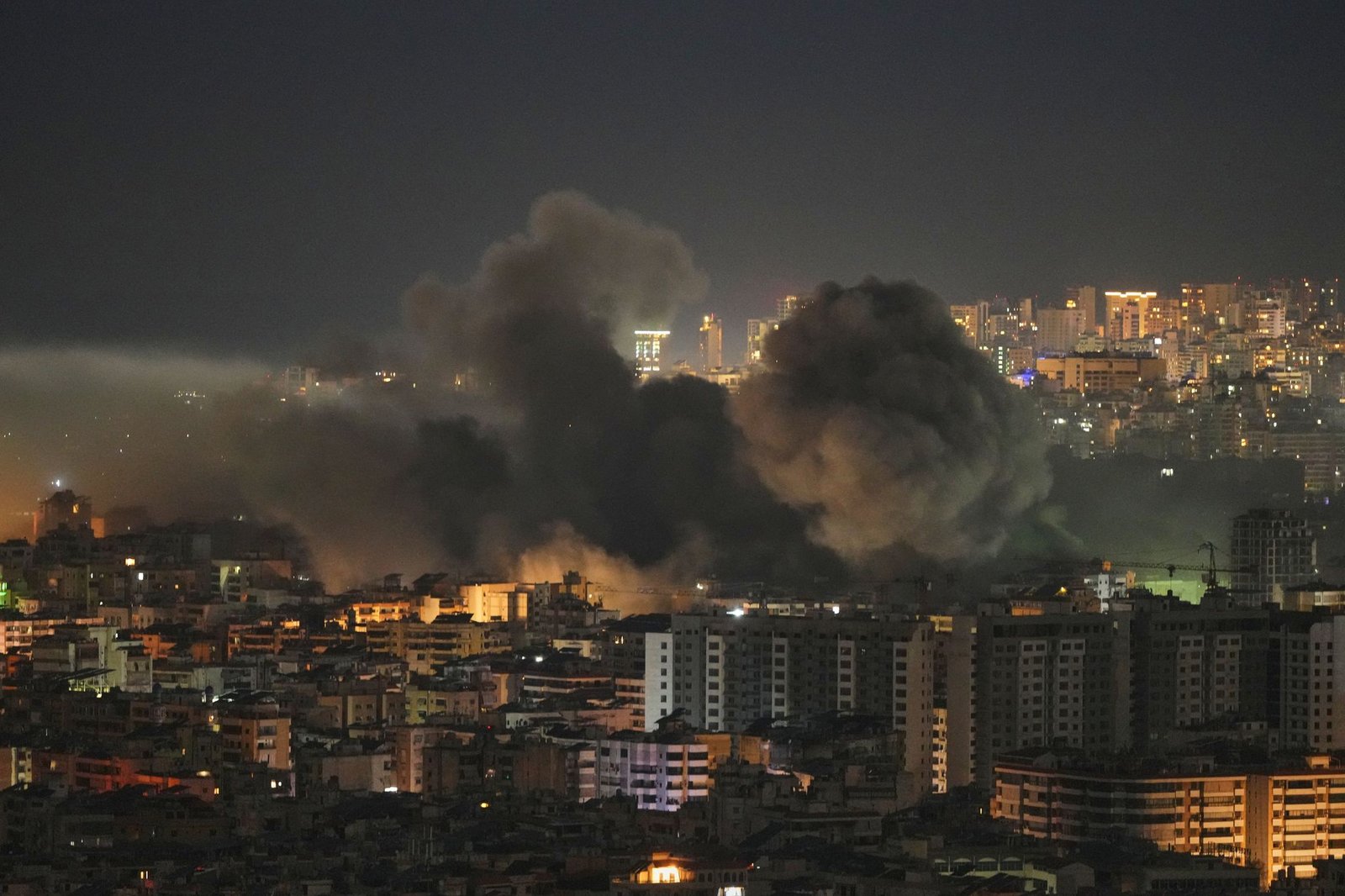
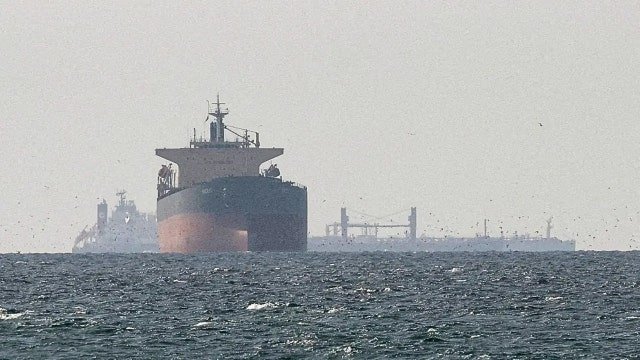
The United States, Israel, and Iran agreed to a cease-fire in early April after more than a month of conflict. The truce was intended to create space for negotiations over Iran’s nuclear activities and to reopen the Strait of Hormuz, a critical oil and gas shipping route that Iran had effectively closed during the war, causing global energy prices to surge.
However, after weeks of intermittent negotiations, major disagreements remain unresolved.
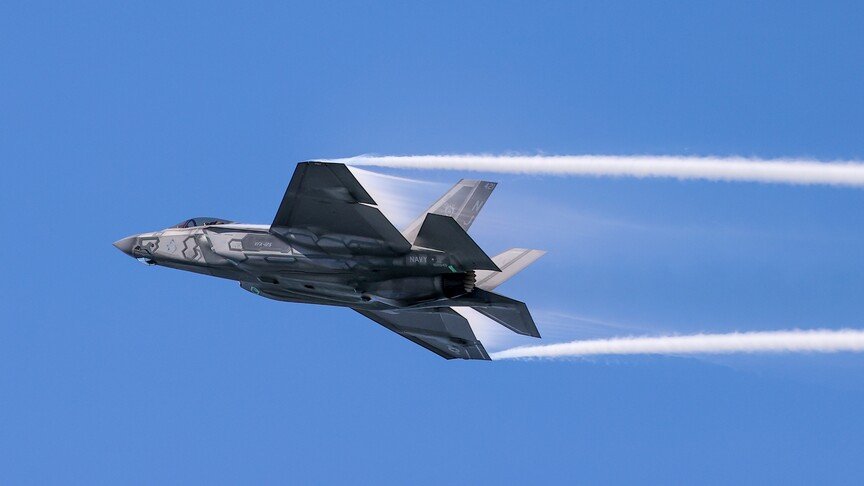
Earlier this week, Trump said he had pulled back from launching a “very major attack” on Iran in order to allow diplomacy to continue. Still, some military analysts remain skeptical that additional airstrikes would force Tehran into making concessions.
On Friday, Iranian Foreign Minister Abbas Araghchi accused the United States of making “excessive demands” during a call with U.N. Secretary-General António Guterres. Trump, meanwhile, dismissed one Iranian counterproposal as “totally unacceptable.