Deadly Israeli Strikes Deepen Fears Over Fragile Lebanon Cease-Fire
A fragile U.S.-brokered cease-fire between Israel and the Iran-backed militant group Hezbollah is showing growing signs of collapse after a new wave of deadly Israeli airstrikes across southern Lebanon intensified tensions in the region

Deadly Israeli Strikes Deepen Fears Over Fragile Lebanon Cease-Fire
A fragile U.S.-brokered cease-fire between Israel and the Iran-backed militant group Hezbollah is showing growing signs of collapse after a new wave of deadly Israeli airstrikes across southern Lebanon intensified tensions in the region.
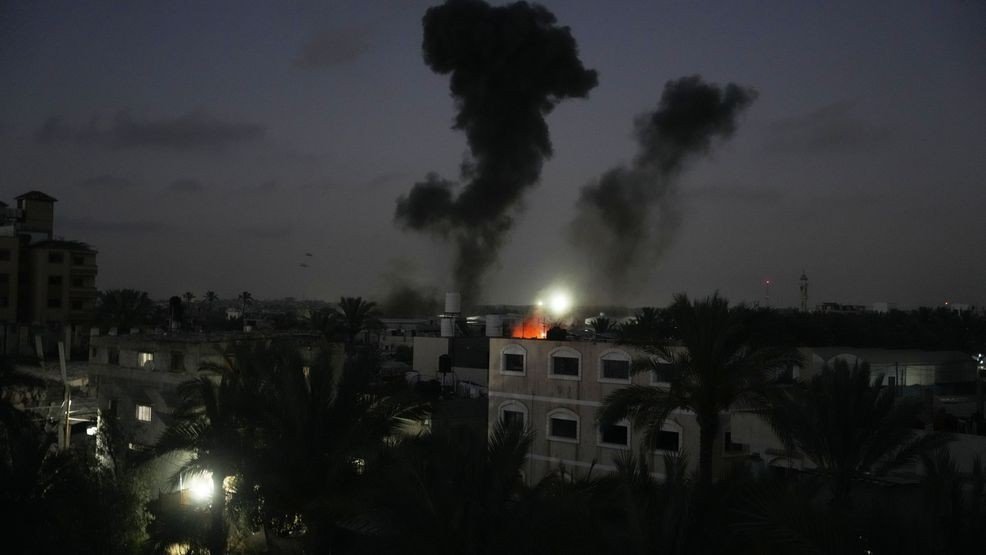
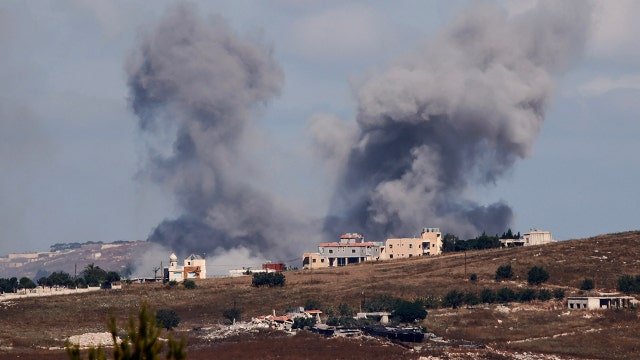
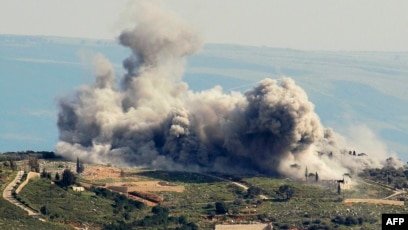
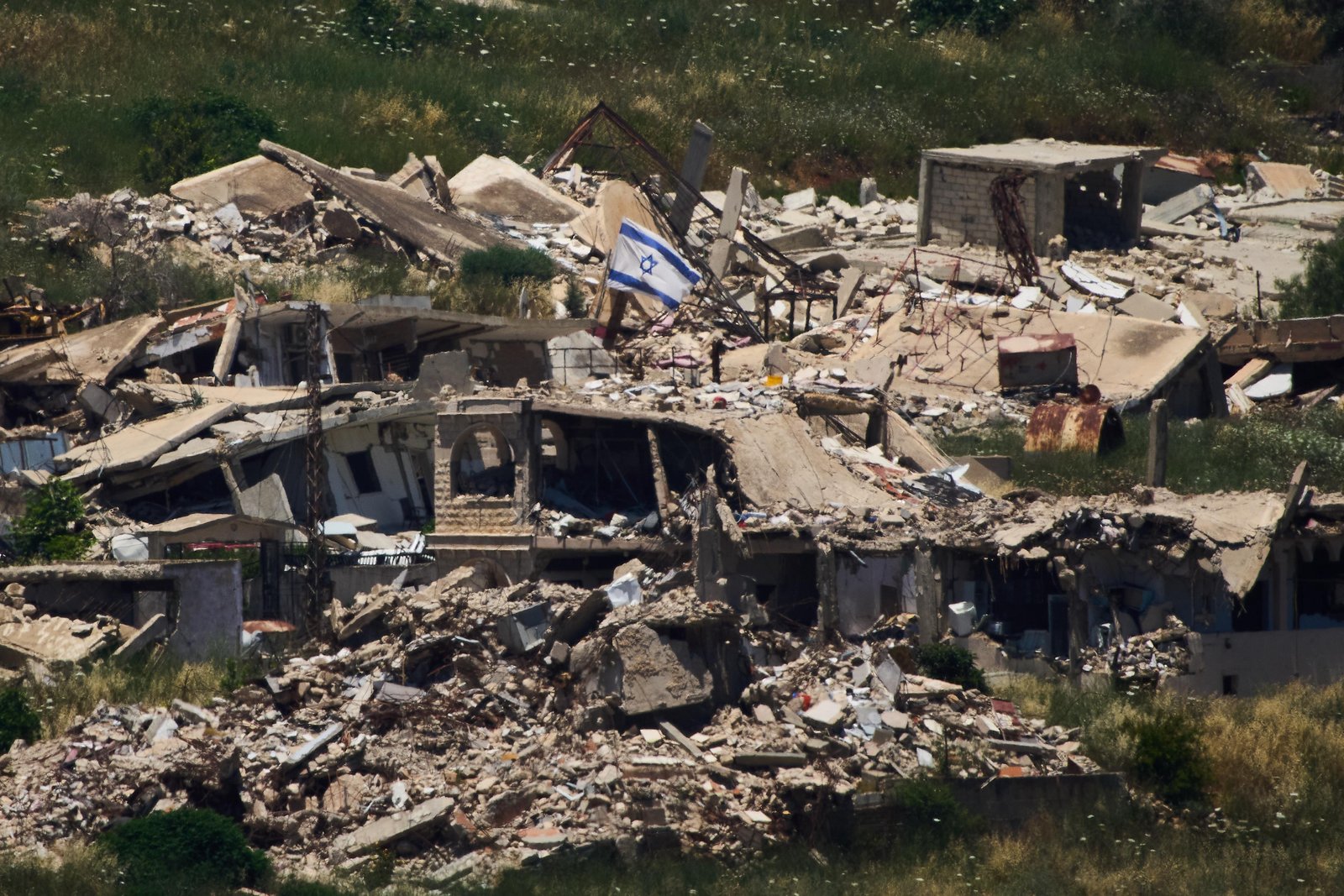
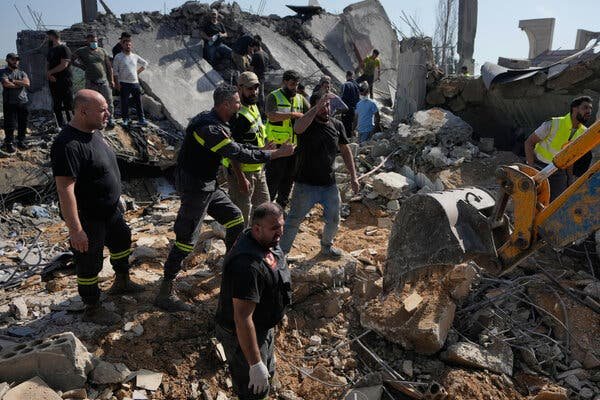
According to Lebanon’s health ministry, at least seven people, including a child, were killed on Saturday in an Israeli strike on the southern coastal town of Saksakiyeh. Rescue workers searched through piles of rubble as residents described scenes of destruction and panic. The Israeli military claimed the attack targeted Hezbollah militants operating from a military-use building, though it did not provide detailed evidence.
The violence quickly spread beyond the border region. Additional strikes hit vehicles along Lebanon’s main coastal highway south of Beirut, signaling an expansion of Israeli operations farther inland. Israel also announced attacks on what it described as Hezbollah weapons depots and rocket launch sites.
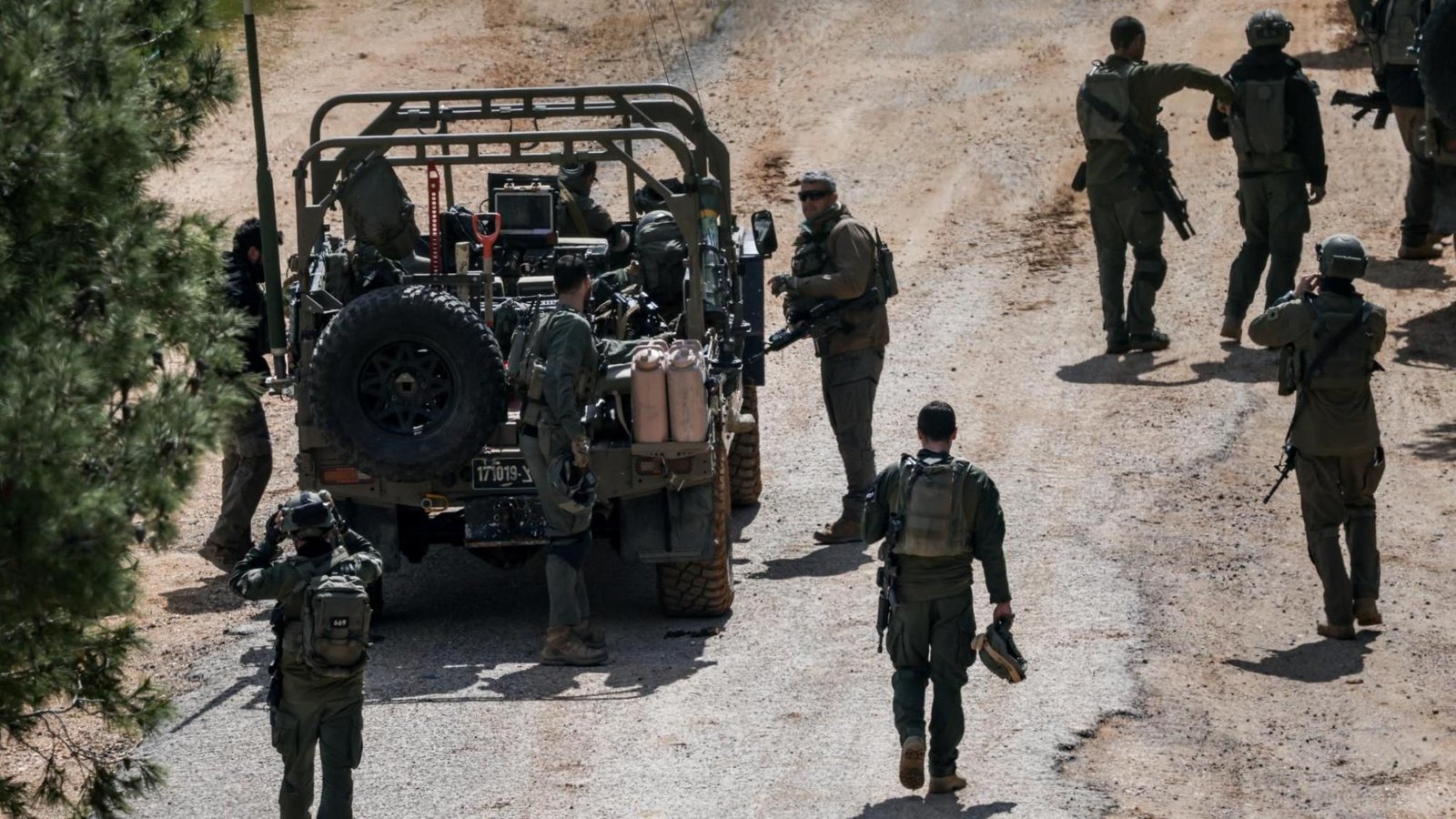
At the same time, Hezbollah continued retaliatory attacks against Israeli troops stationed in southern Lebanon. The Israeli military said drone and rocket strikes injured three soldiers, one of them seriously. Hezbollah stated that its operations targeted Israeli military positions in territory still occupied by Israeli forces despite the cease-fire agreement reached last month.
The renewed escalation highlights the growing weakness of the truce negotiated with U.S. mediation under the administration of Donald Trump. Although the cease-fire was intended to reduce hostilities and prevent a broader regional conflict, both sides have repeatedly accused each other of violating the agreement.
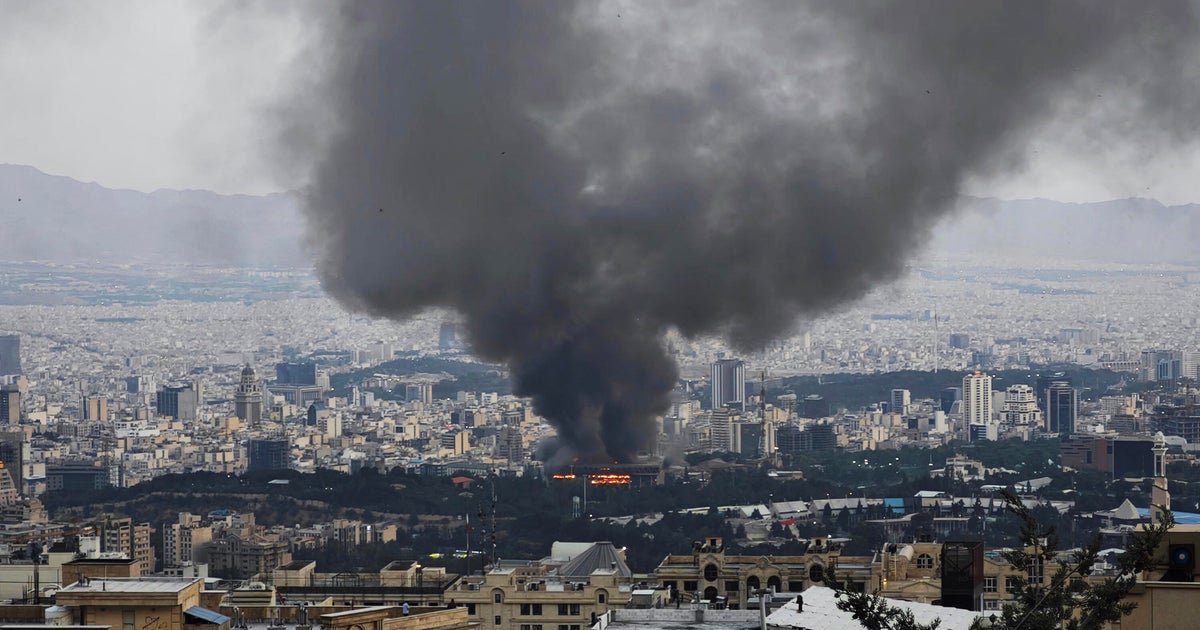
Concerns have intensified after Israel recently launched an airstrike in Beirut’s densely populated southern suburbs for the first time since the cease-fire began. Analysts warn that continued tit-for-tat attacks could drag the region back into another full-scale war.
Diplomatic efforts are still continuing behind the scenes. Officials from Israel and Lebanon are expected to participate in another round of U.S.-brokered talks in Washington next week. The negotiations aim to transform the temporary truce into a more lasting security arrangement. However, Lebanon’s government continues to struggle with limited control over Hezbollah, complicating diplomatic progress.
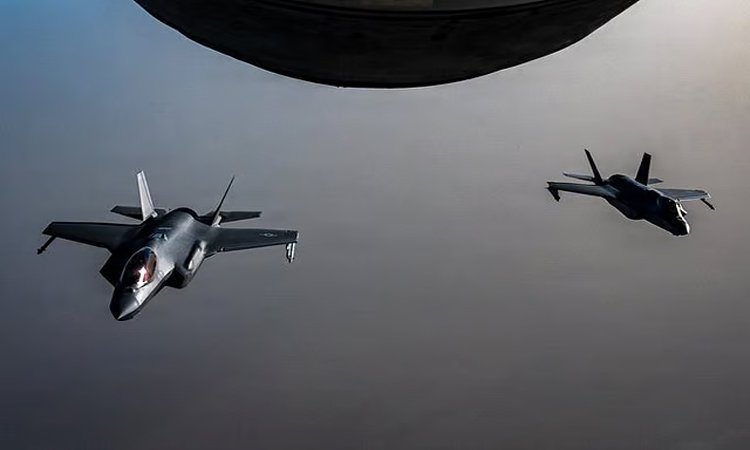
The latest conflict erupted in March after Hezbollah launched rockets into Israel shortly after the U.S.-Israeli military campaign against Iran intensified. Israel responded with heavy bombardment and a ground offensive in southern Lebanon.
Since the fighting resumed, Lebanon says more than 2,700 people have been killed and over one million displaced — nearly one-fifth of the country’s population. Israel says Hezbollah attacks have killed 18 military personnel and two civilians.
Military experts are also closely watching Hezbollah’s increasing use of fiber-optic drones, a low-cost but difficult-to-jam technology first widely used during the war in Ukraine. Israeli officials believe the drones are becoming an increasingly dangerous threat to troops operating near the border.
The continued violence has raised fears that the already fragile cease-fire may soon unravel entirely, potentially opening another dangerous front in the wider Middle East crisis.