Middle East Crisis: Signs of Possible Iran–US Deal Amid Deep Mutual Distrust
US President Donald Trump has said a deal with Iran is “very possible,” signaling cautious optimism about ongoing negotiations to end the conflict in the Middle East. However, Iran has strongly downplayed the prospect of an imminent agreement, calling the US proposal unrealistic and politically driven

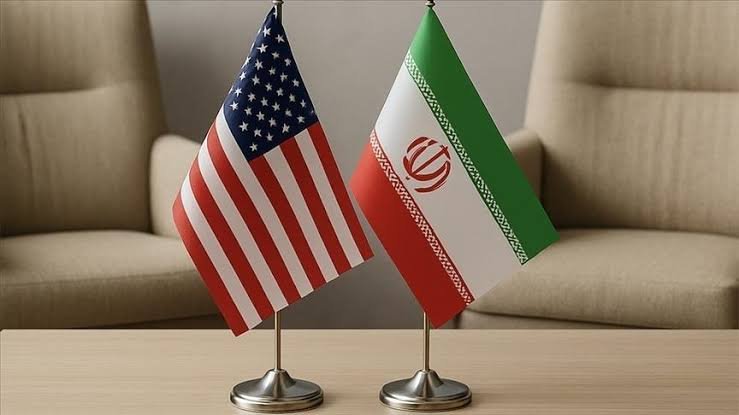
Middle East Crisis: Signs of Possible Iran–US Deal Amid Deep Mutual Distrust
US President Donald Trump has said a deal with Iran is “very possible,” signaling cautious optimism about ongoing negotiations to end the conflict in the Middle East. However, Iran has strongly downplayed the prospect of an imminent agreement, calling the US proposal unrealistic and politically driven.
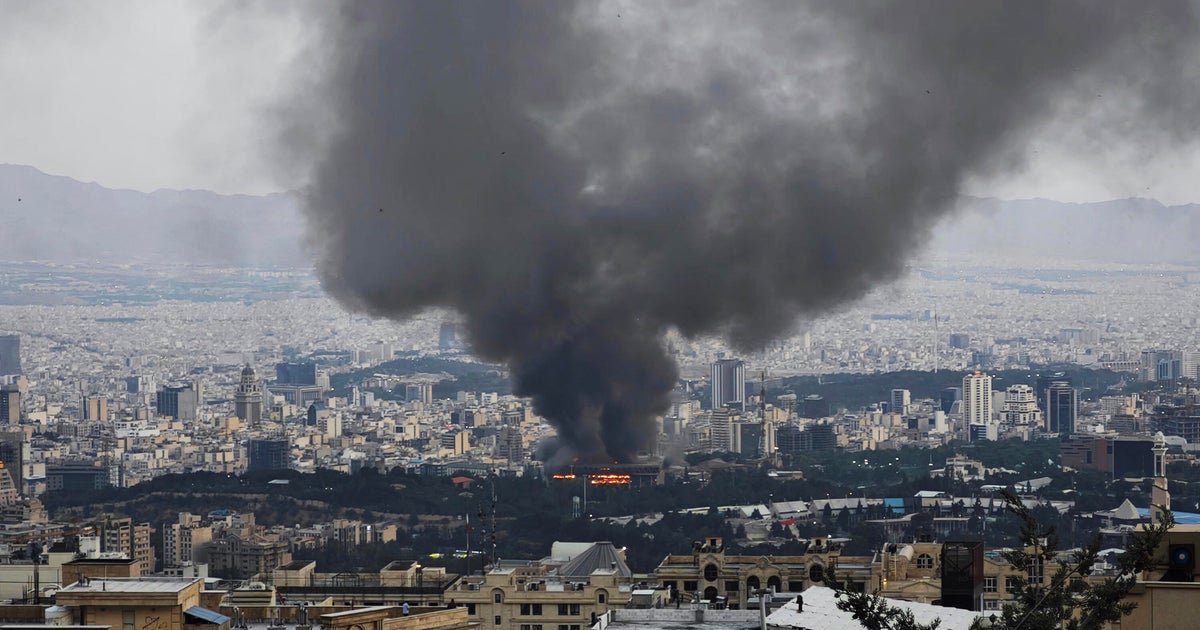
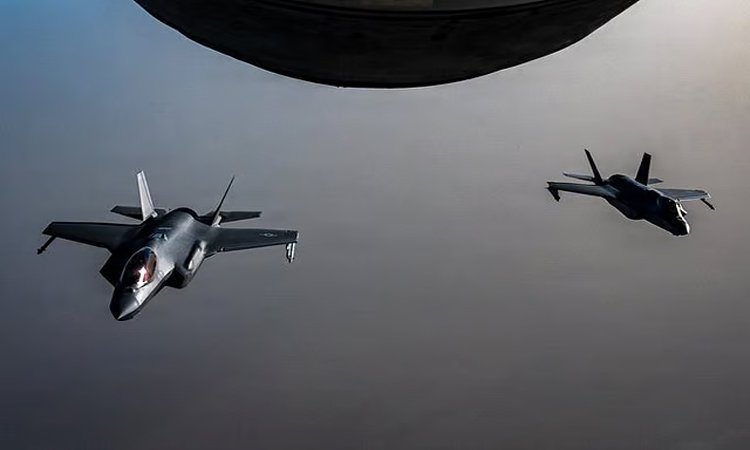
According to live reporting by The Guardian, Trump said talks with Tehran over the past 24 hours had been “very good” and suggested that a breakthrough could happen soon. Speaking at the Oval Office, he stated that a deal was “very possible,” while also warning that if diplomacy fails, the United States could resume military strikes.
In contrast, Iranian officials have rejected this optimistic framing. Ebrahim Rezaei described the US proposal as an “American wish list” rather than a realistic peace framework. Iranian state media reported that Tehran is only reviewing the proposal and has not committed to negotiations, instead coordinating its response through Pakistani mediation.
Pakistan has emerged as a key intermediary in the talks. Prime Minister Shehbaz Sharif said Islamabad is maintaining “continuous contact” with both Washington and Tehran to help stop the war and extend any potential ceasefire. Pakistani officials have expressed optimism that a settlement could be reached soon.
Tensions in the region remain high despite diplomatic efforts. A US military operation dubbed “Project Freedom,” intended to secure shipping routes through the Strait of Hormuz, was abruptly paused. Reports suggest the decision followed Saudi Arabia’s refusal to allow the use of its airspace and bases, highlighting fractures among US allies in the Gulf region, including Saudi Arabia.
Iranian President Masoud Pezeshkian told French President Emmanuel Macron that US actions have undermined trust by combining negotiations with military pressure and sanctions. He accused Washington of repeatedly engaging in talks while simultaneously allowing military strikes to occur.
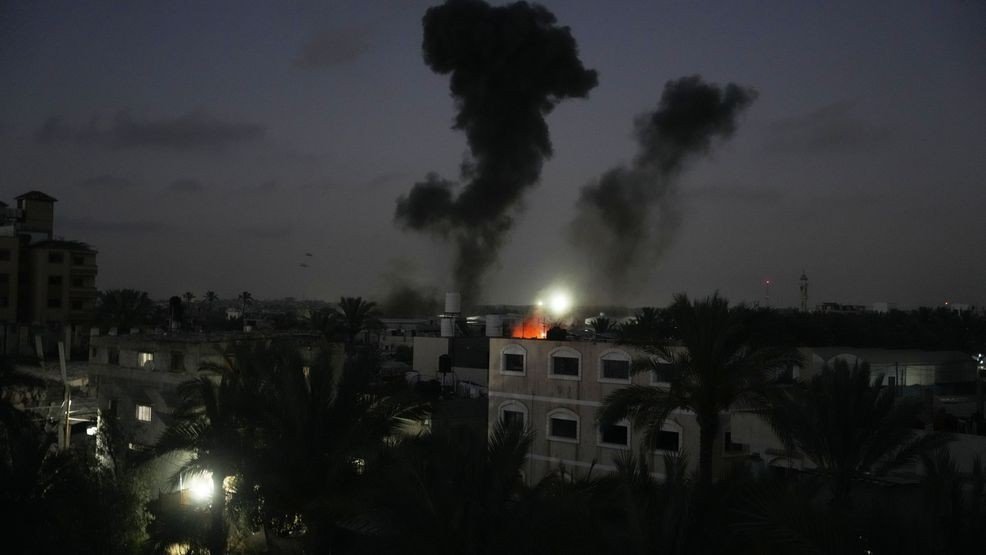
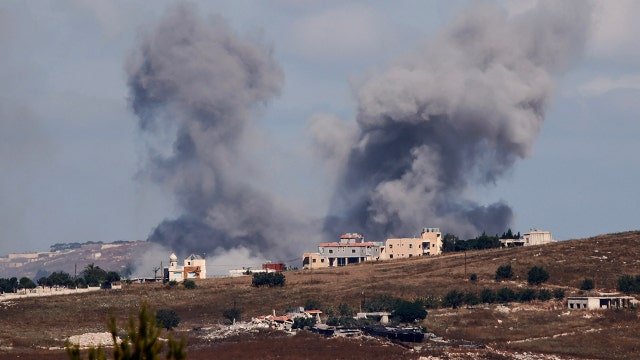
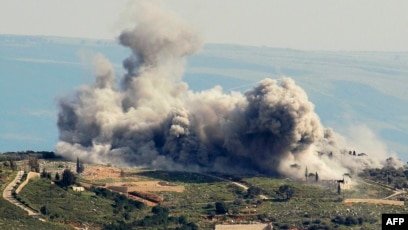
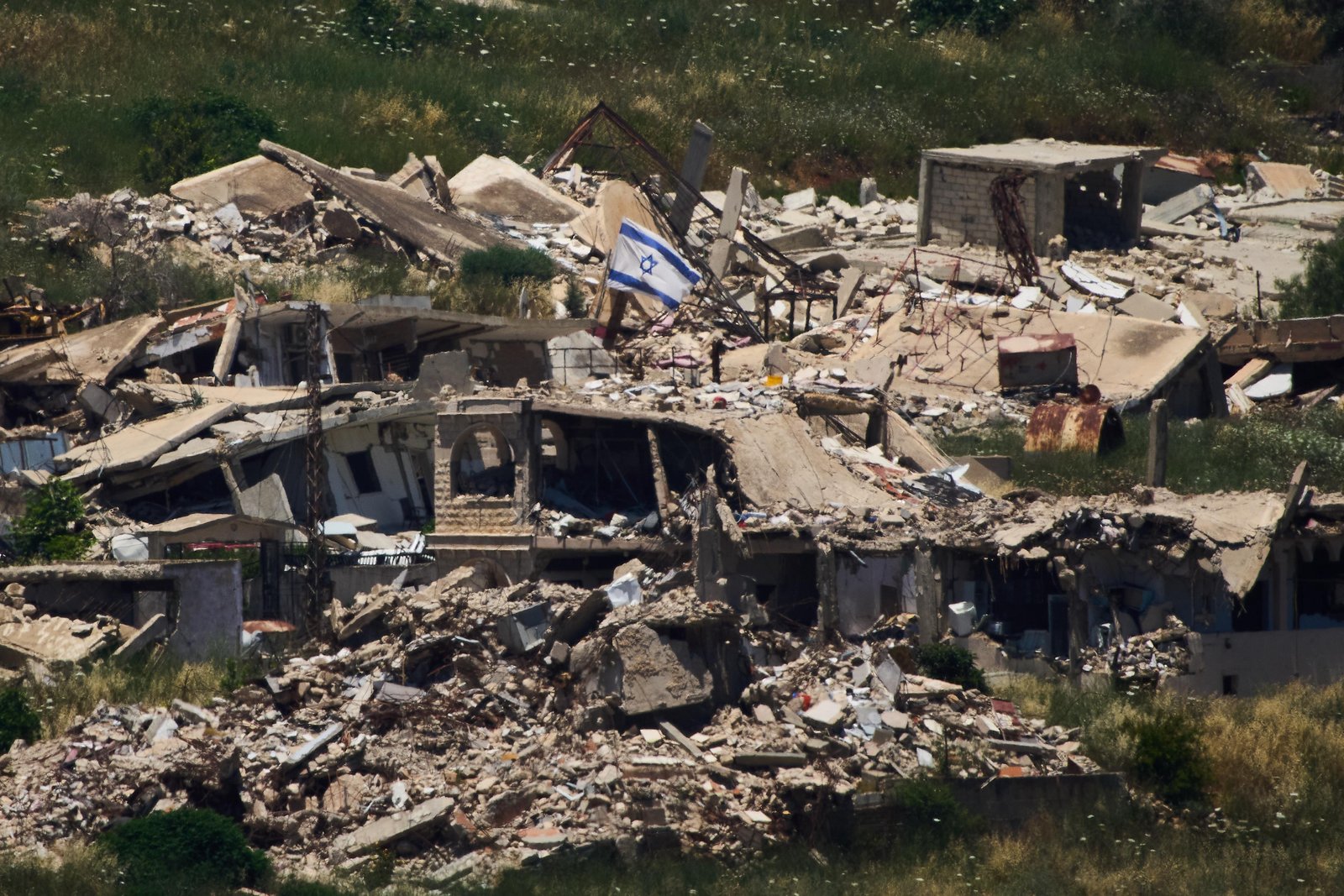
Meanwhile, the broader regional conflict continues to escalate. In Lebanon, Israeli strikes have killed several people, including reports that a senior Hezbollah commander was targeted in Beirut. In Gaza, the son of Hamas political leader Khalil al-Hayya was killed in an Israeli airstrike, further intensifying tensions.
According to analysis by The Washington Post, Iranian attacks during the conflict have damaged or destroyed more than 200 US military installations and assets across the region, including radar systems, aircraft, and fuel depots. The US military has not publicly confirmed the full extent of the damage.
Overall, while diplomatic signals from Washington suggest a potential breakthrough, deep mistrust between Iran and the United States, combined with ongoing military activity across multiple fronts, continues to cast doubt on whether a lasting peace agreement is within reach.