Iran says foreign powers cannot force the country to surrender
The Middle East remains on edge as President Donald Trump temporarily pauses “Project Freedom,” the U.S. naval operation protecting ships in the Strait of Hormuz, amid signs of progress toward a possible agreement with Iran. At the same time, tensions continue over Iran’s leadership uncertainty, China-Iran diplomacy, and growing concerns about AI-driven disinformation linked to global propaganda networks.

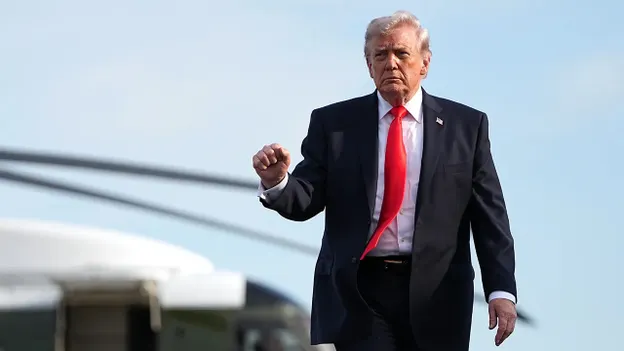
Iran says foreign powers cannot force the country to surrender
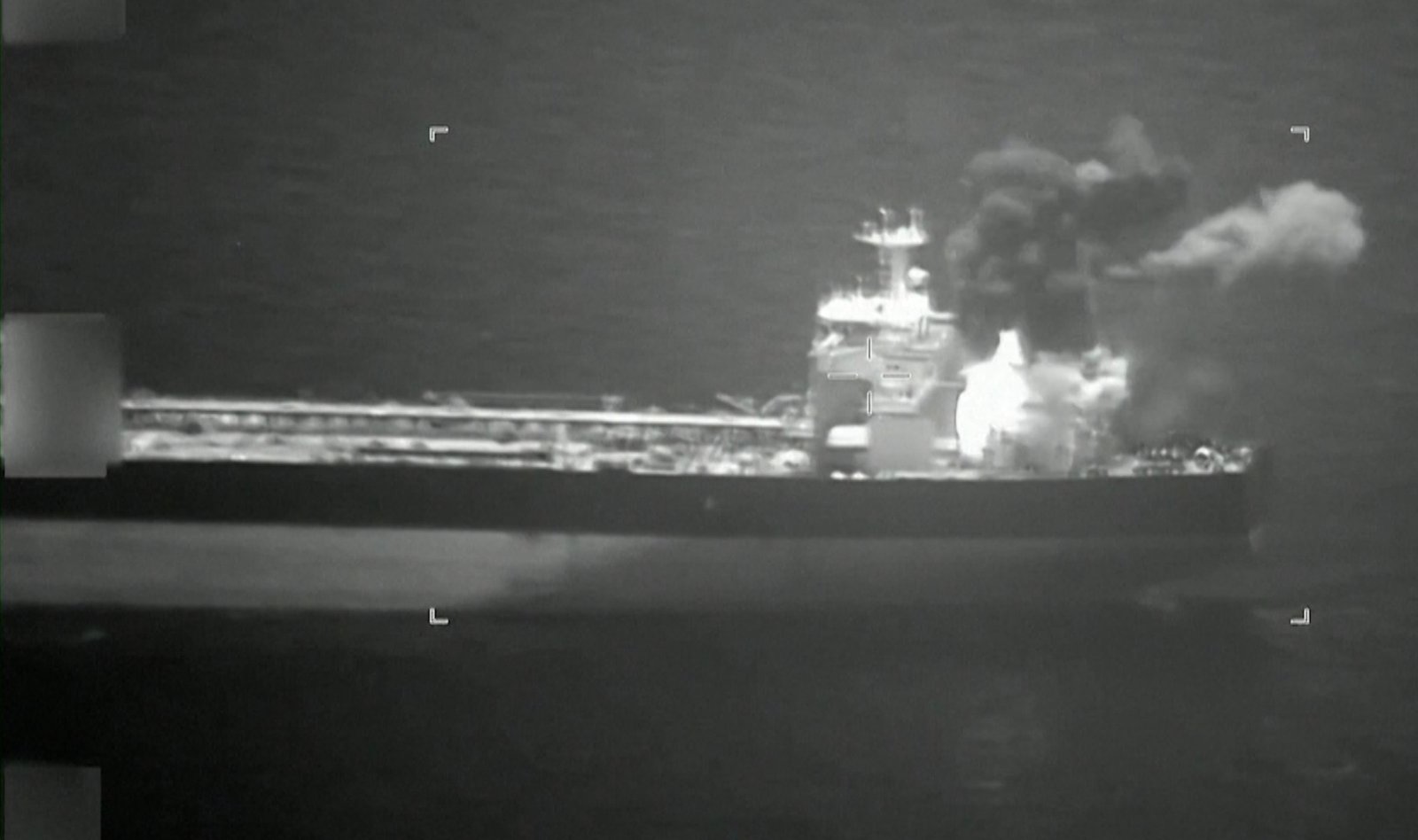
President Donald Trump announced Tuesday that “Project Freedom,” the U.S.-led military initiative designed to protect and guide commercial ships through the strategically vital Strait of Hormuz, will be temporarily paused amid what he described as major diplomatic progress toward a possible agreement with Iran.
In a statement posted on Truth Social, Trump said the decision came after requests from Pakistan and several other countries, as well as following what he called “tremendous military success” during recent operations against Iran.
According to Trump, the blockade surrounding Iran will remain active, but the specific naval operation known as “Project Freedom” — aimed at ensuring the safe movement of ships through the Strait of Hormuz — will be suspended for a short period to determine whether negotiations with Iranian representatives can be finalized into a “complete and final agreement.”
The Strait of Hormuz remains one of the world’s most strategically important maritime routes, carrying a large percentage of global oil and liquefied natural gas supplies. Any disruption in the waterway has major consequences for international energy markets and global trade.
Meanwhile, Iranian President Masoud Pezeshkian strongly rejected the idea that foreign pressure could force Iran to surrender.
In a statement shared on X, Pezeshkian declared, “We Muslims have already surrendered to the Almighty; no one else can make us surrender.” He also revealed that during a phone call with Iraqi Prime Minister Ali Falih Alzaidy, he urged the United States to remove military threats from the region, warning that followers of the Shiite faith could not be controlled through force.
At the same time, Iranian Foreign Minister Abbas Araghchi arrived in Beijing for high-level diplomatic talks with Chinese Foreign Minister Wang Yi. Iranian state-linked news agencies said the discussions would focus on bilateral relations and the rapidly evolving regional crisis.
The diplomatic meeting highlights China’s growing involvement in Middle Eastern affairs as Beijing continues criticizing U.S. and Israeli military actions against Iran while simultaneously trying to protect its own energy and economic interests in the Gulf region.
Separately, growing concerns have emerged regarding the spread of disinformation through artificial intelligence systems. A report by NewsGuard found that the AI chatbot Claude repeated false or misleading claims in approximately 15% of tested responses.
According to the report, Claude frequently relied on sources linked to the Kremlin and in some cases repeated narratives associated with Russian and Iranian propaganda campaigns. The findings raised broader concerns about the vulnerability of advanced AI systems to coordinated disinformation operations.
The report stated that the rate of misinformation identified in Claude’s responses had increased significantly compared to earlier testing, when the figure was only around 4%.
Meanwhile, uncertainty is also growing inside Iran regarding the country’s leadership structure and the health status of Supreme Leader successor figure Mojtaba Khamenei.
According to reports cited by The Jerusalem Post, conflicting rumors about Mojtaba Khamenei’s condition have circulated for months. Iranian affairs expert Thamar Eilam Gindin said reports regarding Mojtaba’s health continue to change with every leak, while rumors about his possible death have intensified.
Speculation increased further after Mojtaba’s photograph reportedly appeared among images of “war martyrs” during a ceremony in a small Iranian city.
Analysts say Mojtaba Khamenei’s exact role within Iran’s political system has always remained unofficial and ambiguous. Experts also describe the existence of an Iranian “deep state,” though the identities and decision-making structure of that network remain unclear.