Iran reviewing US proposal as Trump escalates pressure over war and Strait of Hormuz deal
Iran is currently reviewing the latest American proposal aimed at ending the ongoing war, while US President Donald Trump has warned of intensified bombing if Tehran does not agree to a deal that includes reopening the strategic Strait of Hormuz to international shipping

Iran reviewing US proposal as Trump escalates pressure over war and Strait of Hormuz deal
Iran is currently reviewing the latest American proposal aimed at ending the ongoing war, while US President Donald Trump has warned of intensified bombing if Tehran does not agree to a deal that includes reopening the strategic Strait of Hormuz to international shipping.
According to reporting by Associated Press, the two-month-old conflict has entered a critical diplomatic phase, with Washington and Tehran exchanging signals of both possible compromise and continued confrontation.
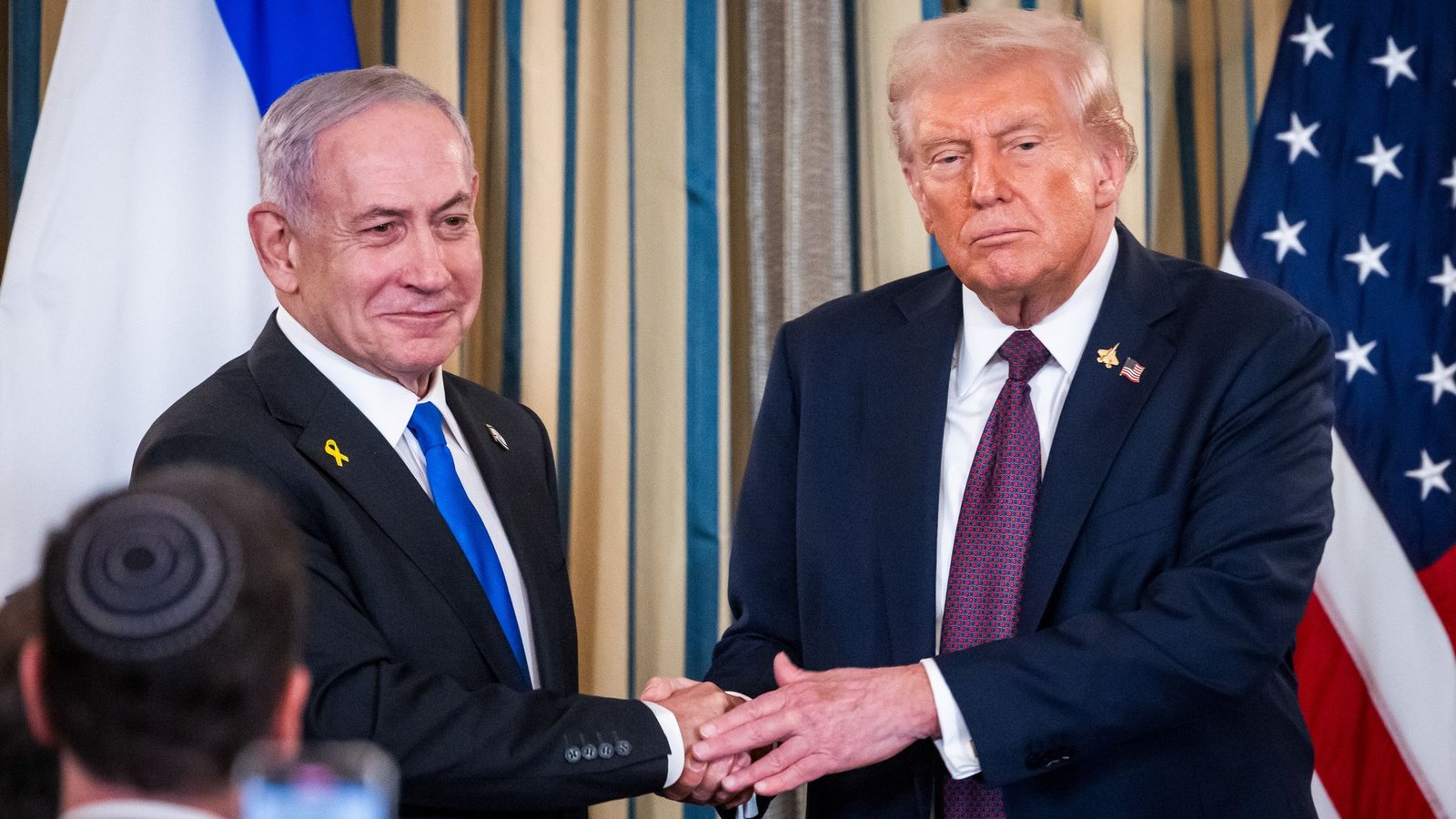
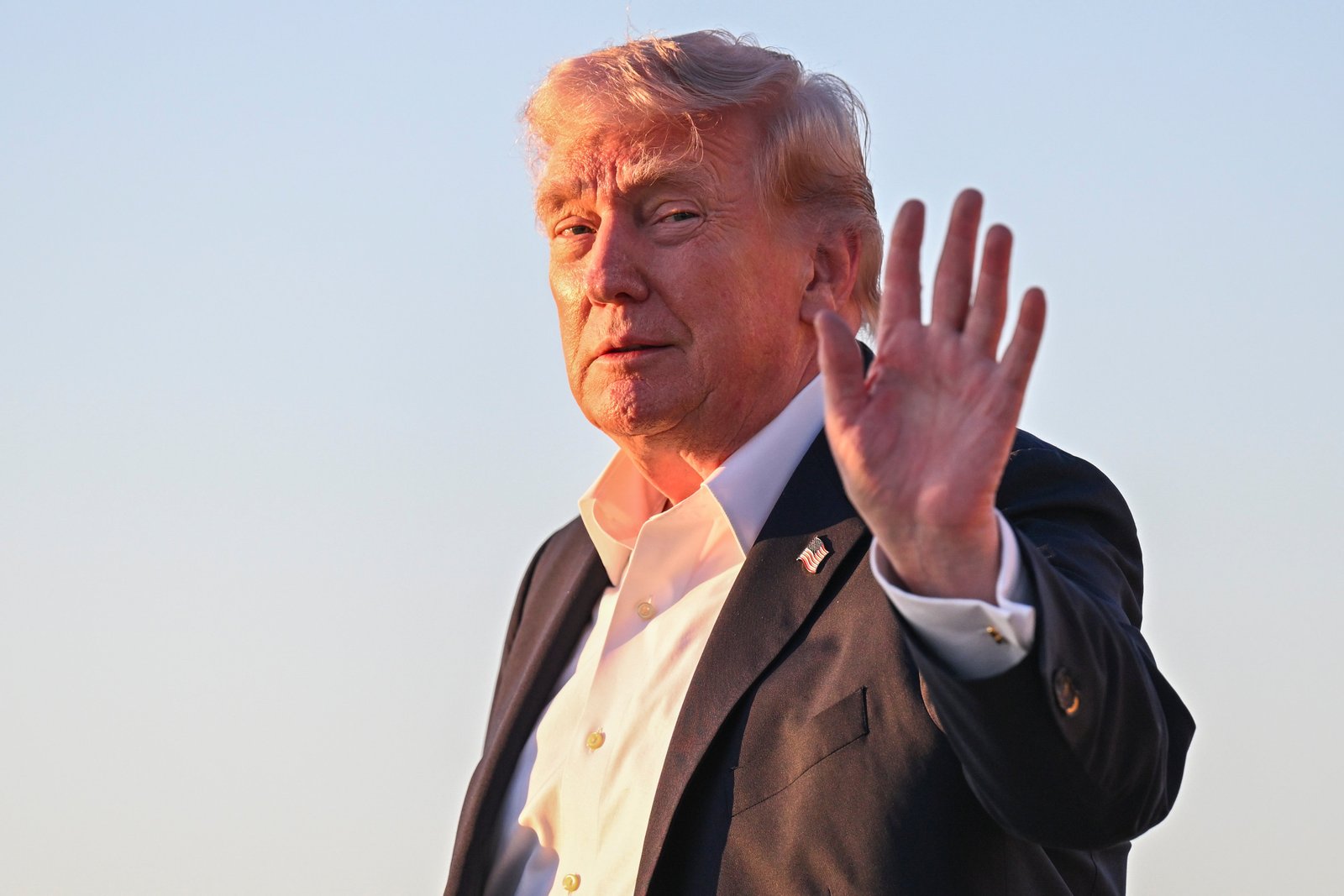
Trump posted on social media that the war “could soon end” and that disrupted oil and gas flows might resume if Iran accepts what he described as a pending agreement. However, he also issued a stark warning: “If they don’t agree, the bombing starts.”
Markets react as diplomatic hopes rise
Global financial markets briefly stabilized following reports of potential progress in negotiations. Investors interpreted signs of possible de-escalation as a positive signal, even as military tensions continued in the background.
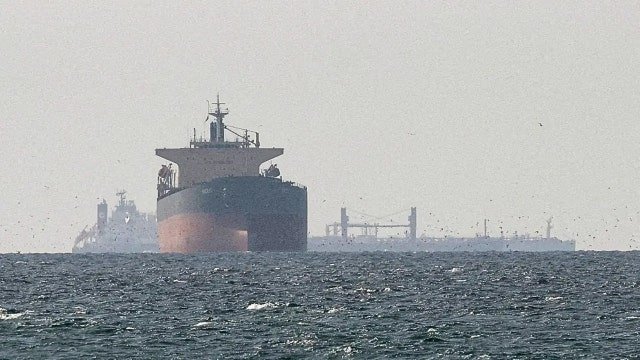
At the same time, the US military reportedly fired on an Iranian oil tanker attempting to breach what Washington described as a blockade of Iranian ports. The incident highlights the fragile and volatile nature of the current ceasefire environment.
Iran reviews proposal amid distrust
Iranian officials confirmed they are examining the US proposal but have not accepted it. Tehran previously rejected earlier drafts, with its Foreign Ministry stating that some reported conditions were unacceptable. Iranian authorities have also expressed skepticism over Washington’s intentions, citing repeated shifts in US messaging.
Pakistan emerges as key mediator
Diplomatic efforts are being facilitated by Pakistan, which has hosted indirect talks between the two sides. Pakistan’s Foreign Ministry spokesperson Tahir Andrabi said Islamabad expects an agreement “sooner rather than later,” while stressing that details of negotiations remain confidential.
Pakistan’s Prime Minister Shehbaz Sharif said his government is maintaining “continuous contact” with both Iran and the United States to help end the conflict and extend the ceasefire.
Strategic focus: Strait of Hormuz
A central issue in negotiations remains the Strait of Hormuz, a critical maritime chokepoint through which a significant portion of global oil shipments pass. The US is reportedly demanding guarantees for reopening the waterway to international shipping as part of any agreement.
Iran, meanwhile, has been accused by Washington of disrupting shipping in the region, while Tehran insists it is responding to US and Israeli military actions.
Military tensions continue despite ceasefire
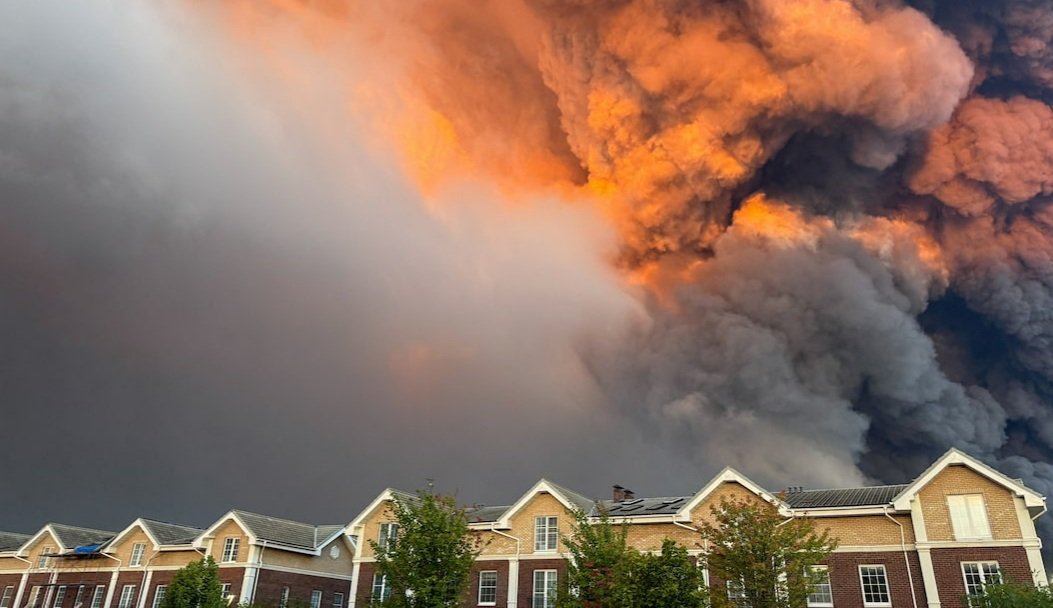
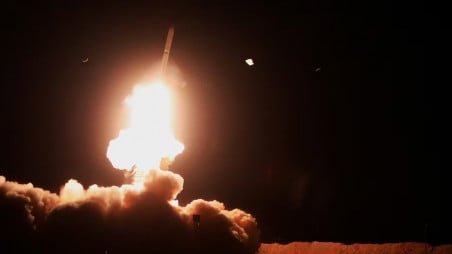
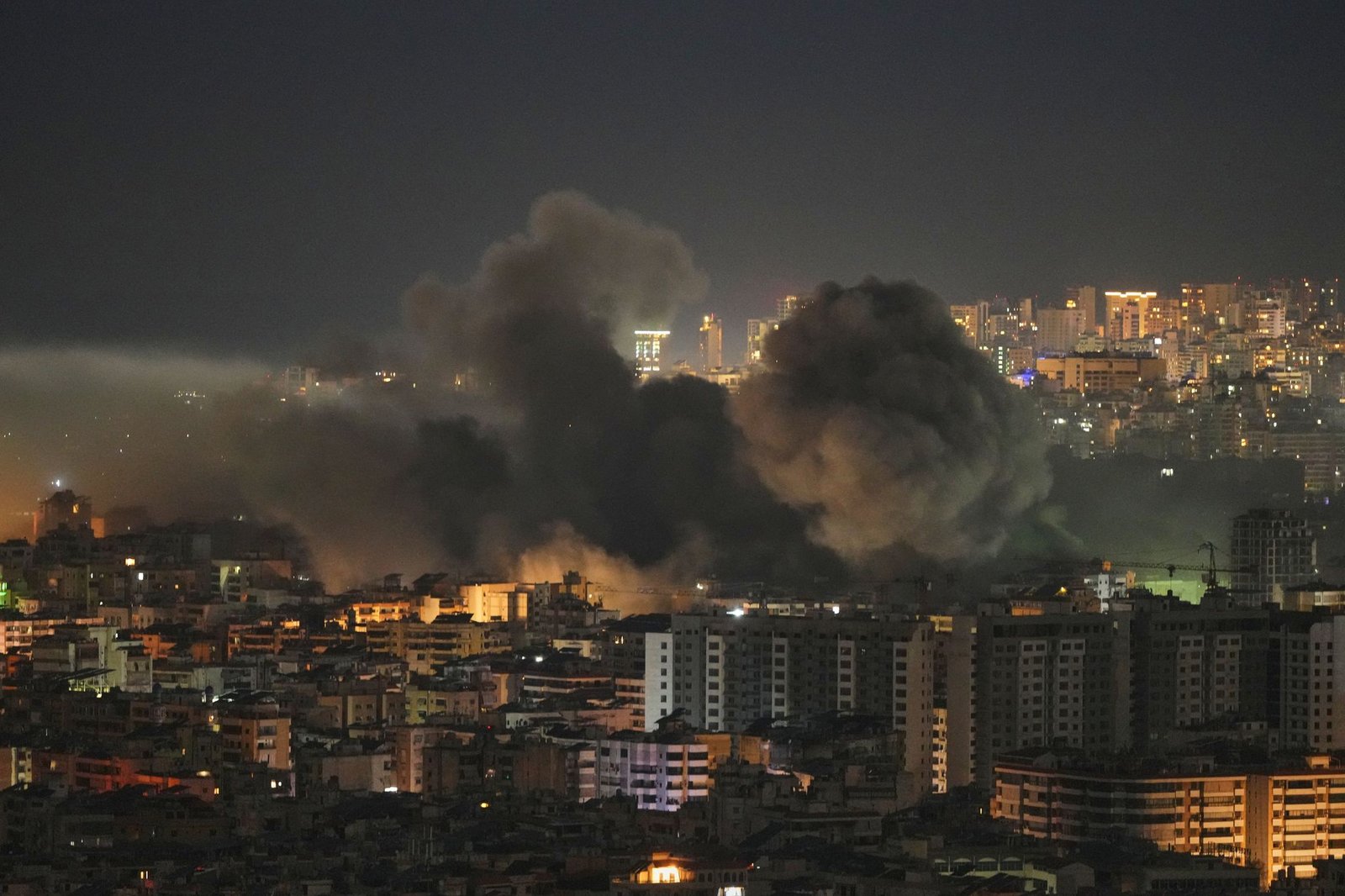
Although a fragile ceasefire has largely held since early April, tensions remain high. Reports indicate continued military activity, including strikes on Iranian-linked vessels and ongoing regional instability.
The war began in late February when the US and Israel launched coordinated strikes against Iran, triggering a wider regional escalation involving energy routes, shipping lanes, and allied military positions.
Despite renewed diplomatic activity, the situation remains highly unstable. While Washington signals openness to a potential deal, Tehran continues to express distrust, and both sides maintain significant military pressure.
For now, the possibility of ending the war exists—but it remains conditional, fragile, and deeply uncertain.