

Bangladesh’s political landscape continues to evolve, influenced by a series of recent developments that have far-reaching implications for governance, the economy, human rights, and international relations. Staying informed about these developments is crucial in understanding the direction in which the nation is heading and the key factors shaping its future.
Recent policies implemented by the government have had a significant impact on various aspects of Bangladesh’s society and economy. From economic reforms and infrastructure projects to social welfare initiatives and healthcare advancements, these policies aim to foster inclusive growth, improve living standards, and address the needs of a growing population. Understanding the objectives and outcomes of these policies is essential for citizens and stakeholders to assess their effectiveness and contribute to the ongoing development of the nation.
Electoral changes and political dynamics also play a crucial role in shaping Bangladesh’s political landscape. The electoral process, including voter registration, campaign strategies, and party alliances, influences the democratic functioning of the nation. Keeping track of electoral reforms and political developments allows citizens to actively engage in the democratic process and make informed choices during elections. It also provides insights into the ideologies and agendas of political parties and their impact on the governance of the country.
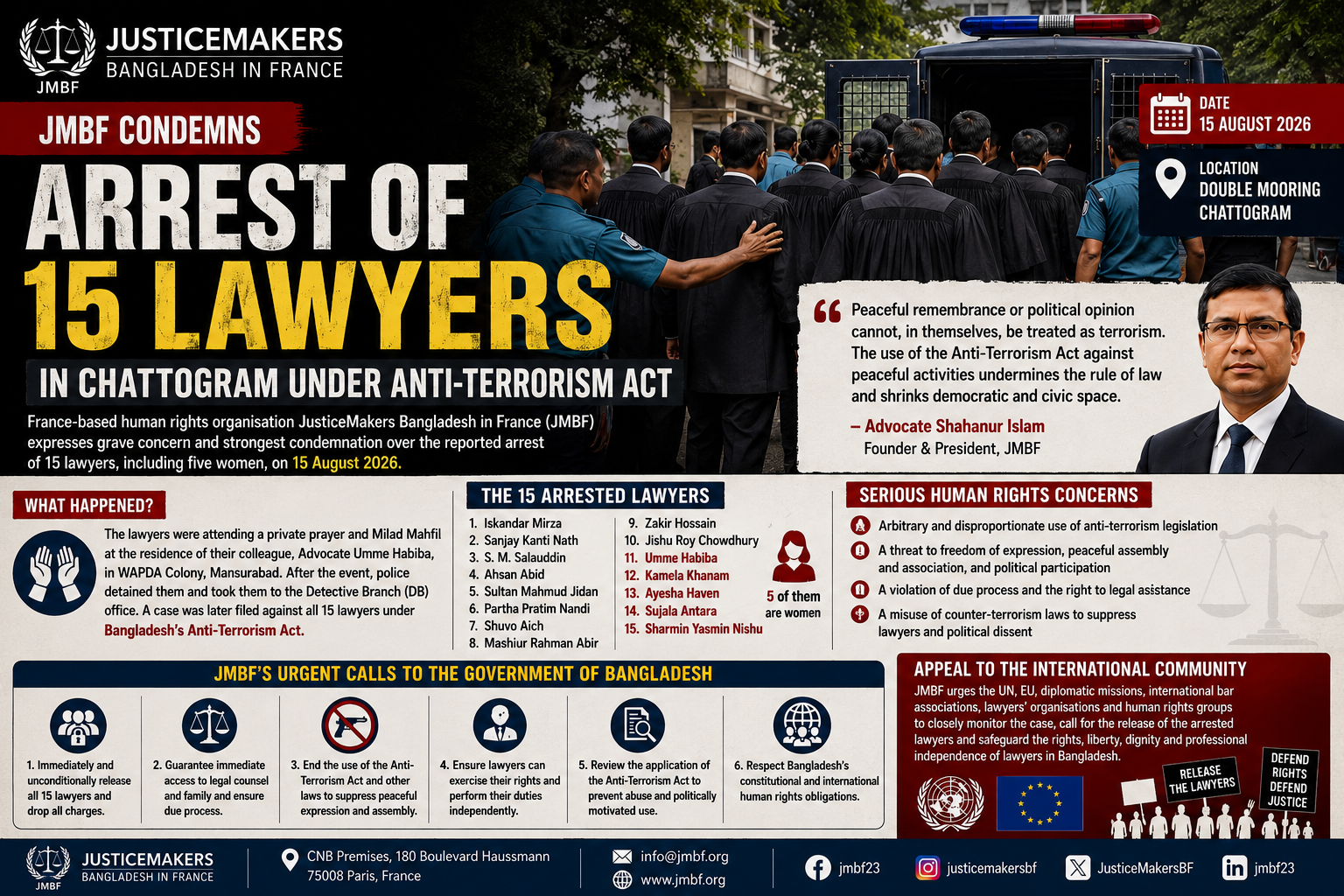
Human rights issues are a significant aspect of Bangladesh’s political discourse. Advocacy for civil liberties, gender equality, minority rights, and freedom of expression continues to shape the nation’s social fabric. Monitoring the progress and challenges in these areas is crucial for fostering an inclusive society that upholds human rights and ensures equal opportunities for all citizens.
Bangladesh’s international relations and diplomacy also have implications for its political landscape. Navigating geopolitical dynamics, bilateral relationships, and regional cooperation are key considerations for the nation’s foreign policy. Understanding these dynamics provides insights into how Bangladesh positions itself on the global stage, engages with international partners, and contributes to regional and global affairs.
Key players, including political leaders, activists, and civil society organizations, have a significant influence on Bangladesh’s political landscape. Exploring their ideologies, motivations, and actions allows citizens to assess their role in shaping the nation’s future and hold them accountable. It also provides a deeper understanding of the diverse perspectives that contribute to the political discourse within the country.
Staying informed about the latest developments in Bangladesh politics is crucial for citizens and stakeholders to actively participate in shaping the nation’s future. By understanding the impact of policies, electoral changes, human rights issues, and international relations, individuals can contribute to a more inclusive and prosperous Bangladesh.