Bangladesh Faces High Earthquake Risk
Despite years of research, investment, and disaster planning, Bangladesh remains inadequately prepared for a major earthquake. Experts warn that a powerful quake particularly in Dhaka could result in catastrophic casualties due to weak infrastructure, poor urban planning, and limited emergency response capacity.

Bangladesh Faces High Earthquake Risk
Earthquake experts have warned that Bangladesh remains highly vulnerable to a major seismic disaster despite decades of studies and preparedness initiatives.
Professor Mehedi Ahmed Ansary of BUET’s Civil Engineering Department said historical records indicate that magnitude-7 earthquakes recur every 100–125 years, while magnitude-8 earthquakes occur every 250–300 years in Bangladesh and the surrounding region.
He believes the 5.7-magnitude Narsingdi earthquake recorded in late 2025 may have been a foreshock, potentially signaling a larger seismic event in the future.

Professor Munaz Ahmed Noor, Vice President of the Bangladesh Earthquake Society, said the recent earthquake demonstrated that damaging quakes can originate much closer to Dhaka than previously assumed.
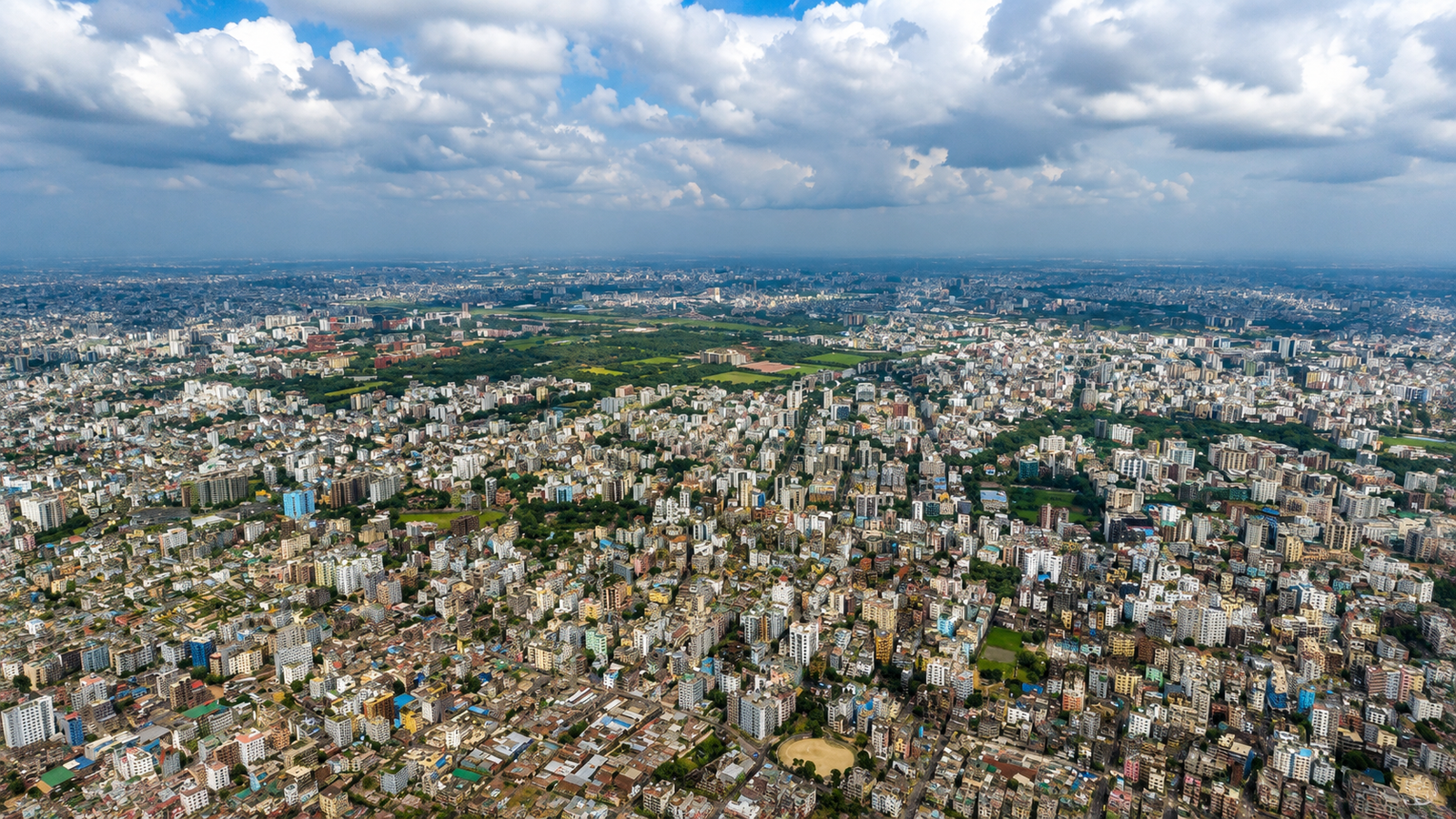
Experts warn that Dhaka’s rapid urbanization, extensive wetland encroachment, weak enforcement of building codes, and the presence of vulnerable high rise buildings significantly increase the city’s earthquake risk.
Meanwhile, the Urban Safety and Resilience Institute (USRI) established under a Tk 568 crore World Bank-funded project has yet to become fully operational because of delays in recruiting qualified personnel, despite having advanced laboratories and sophisticated seismic testing equipment.
Officials said more than 3,200 buildings have already undergone seismic assessments, but the institute’s delayed launch has prevented inspections of thousands more structures across Dhaka.
Rajuk Chairman Reazul Islam said the institute is expected to begin operations soon, allowing authorities to expand building vulnerability assessments.
The Department of Disaster Management (DDM) and Fire Service have also strengthened emergency preparedness by training thousands of volunteers and improving rescue capabilities.
According to Fire Service Director General Brig. Gen. Muhammad Jahed Kamal, a 60-member Special Rescue Team remains on standby, while 62,000 volunteers are being trained nationwide, with over 55,000 already completing their training.
However, experts stress that public awareness, strict enforcement of building codes, regular earthquake drills, and effective post-disaster planning remain essential if Bangladesh is to reduce the impact of a future major earthquake.