

Teamsters Push Congress to Fast-Track Law Blocking Chinese Cars in the U.S.
The Teamsters union is urging Congress to pass legislation restricting Chinese-made vehicles in the United States. The union cites national security, data privacy, fair competition and American auto jobs, as lawmakers continue negotiating a proposal that has not become law.

CSB News USA
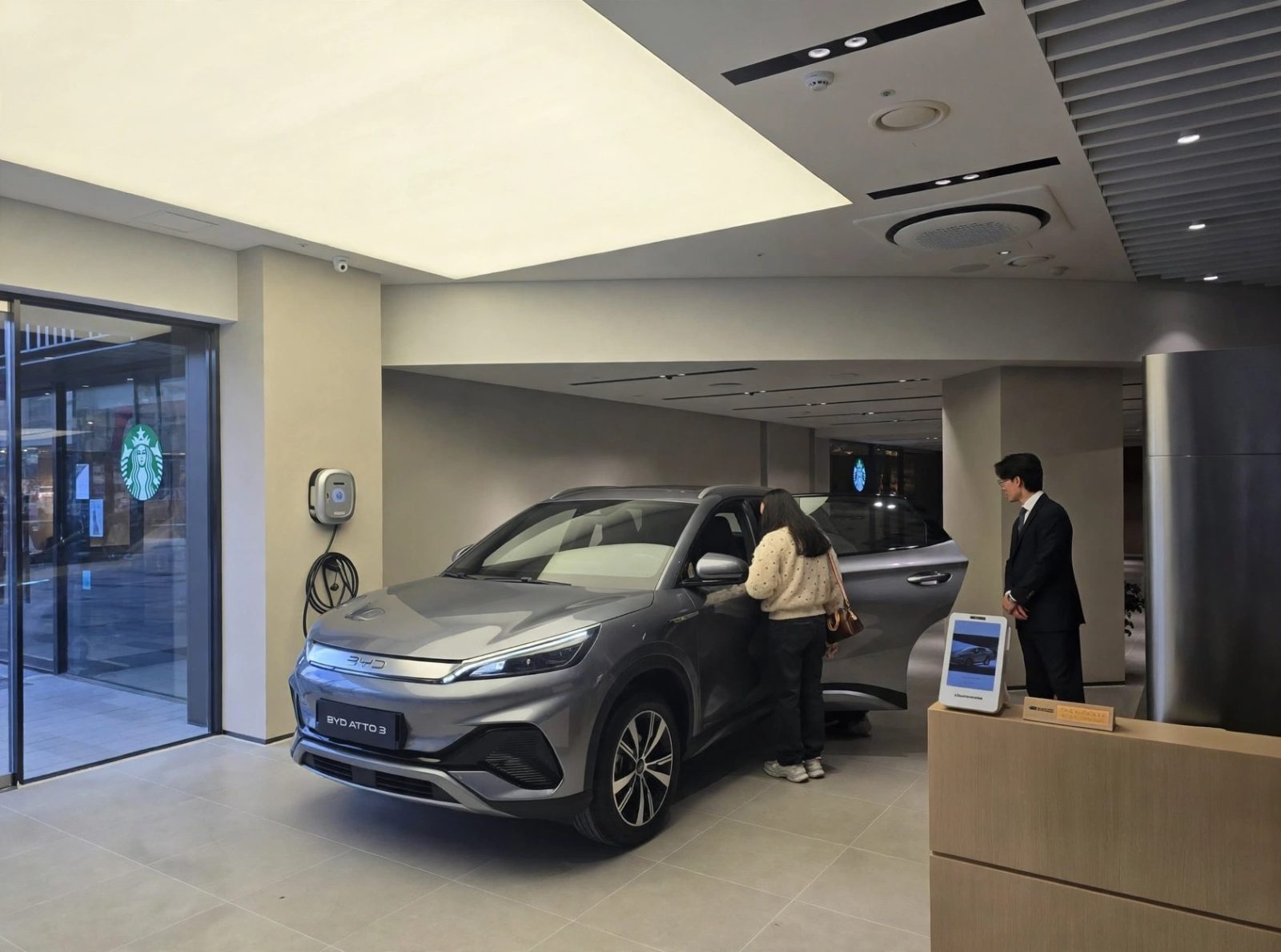
The International Brotherhood of Teamsters is urging U.S. lawmakers to move quickly on legislation that would restrict Chinese-made vehicles from entering the American market. The influential labor union says Congress should approve a permanent ban before lawmakers leave Washington in the coming weeks.
The demand comes as concerns grow in the United States over the potential impact of Chinese vehicles on national security, consumer privacy and the domestic automobile industry.
According to a Reuters report published on November 24, 2026, Teamsters President Sean O’Brien sent a letter to lawmakers on Monday calling for swift action. The union, which represents approximately 1.3 million workers, argues that Chinese vehicles could create serious risks for American workers and the country’s automotive sector.
The organization has raised concerns about the technology used in modern vehicles, particularly systems that collect and transmit information. Many newer cars are connected to the internet and equipped with cameras, sensors, navigation systems and other digital features. These technologies can collect significant amounts of information about drivers, passengers and their surroundings.
The Teamsters argue that vehicles connected to companies linked to China could create potential data-security and privacy concerns. They also say the growing presence of Chinese automakers could put American manufacturing jobs and domestic companies under pressure.
The proposed legislation is part of a broader effort in Washington to limit the influence of companies considered to be connected to foreign adversaries in sensitive technology sectors.
A bill addressing connected vehicles and related technology was introduced in the U.S. Senate in April 2026. The proposal seeks to restrict the import, manufacture, sale and distribution of vehicles and associated software or hardware linked to foreign adversaries.
The Senate Commerce Committee approved a related measure in July. One of the key provisions under discussion would restrict companies with more than 15 percent Chinese ownership from selling vehicles in the United States.
However, the legislation has not yet become law. Lawmakers are still negotiating the details, including how the ownership restrictions would apply to international automobile manufacturers with Chinese investors.
Republican Senator Bernie Moreno, who has been involved in the negotiations, said discussions were nearing completion. He expressed hope that the House of Representatives could vote on the proposal as soon as the following week, with Senate action potentially coming soon afterward.
That timetable remains an expectation rather than a confirmed voting schedule.
One major challenge has been finding a compromise that addresses national security concerns without unintentionally affecting established international automakers operating in the United States.
Mercedes-Benz and Volvo have been among the companies discussed during negotiations because of their ownership structures and connections to Chinese investors.
The proposed restrictions initially raised questions about whether these manufacturers could be affected. Reports indicate that lawmakers have been working on language intended to prevent the measure from unnecessarily blocking companies such as Mercedes-Benz and Volvo.
Mercedes-Benz has Chinese investment, including a stake held by BAIC Group. Volvo is majority-owned by China’s Geely. Lawmakers are therefore considering how ownership percentages, investment arrangements and actual corporate control should be treated under the proposed rules.
The final details remain subject to negotiations, and no company-specific exemption should be considered legally settled until the legislation is approved and its provisions are finalized.
The debate also extends beyond vehicles sold directly in the United States. Senator Moreno has described proposals that could prevent residents of Canada and Mexico from driving Chinese-built vehicles into the United States. The scope and final wording of any such restriction would depend on the legislation ultimately approved by Congress.
The United States has already taken steps to limit the role of Chinese technology in its vehicle market. Regulations introduced during the administration of former President Joe Biden targeted certain connected-vehicle software and hardware linked to China and Russia. Those rules are designed to restrict the use of specified technologies in vehicles sold in the American market.
The United States has also imposed tariffs exceeding 100 percent on Chinese electric vehicles, making direct imports significantly more expensive.
However, these existing measures are different from the permanent and broader restrictions now being considered by lawmakers. The proposed legislation would establish additional legal barriers concerning vehicle manufacturing, imports, sales and technology connections.
The issue has also attracted attention because of President Donald Trump’s comments in September welcoming Chinese automakers that might want to build vehicles in the United States. His remarks raised questions among domestic manufacturers and industry groups about how the administration would balance foreign investment with efforts to protect American production.
The Teamsters’ position reflects concerns shared by parts of the American automobile industry and labor movement. The union argues that allowing Chinese automakers greater access to the U.S. market could increase competitive pressure on domestic manufacturers and threaten jobs in factories and related industries.
At the same time, the debate involves more than economic competition. Connected vehicles are increasingly treated as technology platforms capable of collecting, processing and transmitting sensitive information. That has made vehicle software, data storage and remote communication important issues in national security discussions.
Supporters of restrictions say the United States needs clear rules to protect consumer information, secure critical technology and maintain a strong domestic automobile industry. Critics and some business groups, however, have raised concerns about broad ownership restrictions, possible effects on international investment and the risk of disrupting established supply chains.
Congress now faces the challenge of balancing those competing interests while deciding how far the proposed restrictions should go.
For the Teamsters, the immediate priority is clear: lawmakers should act before the current congressional session ends. Whether Congress can reach an agreement and pass the legislation within that period remains uncertain.
Until lawmakers approve the measure and it becomes law, the proposed permanent ban should not be treated as an active nationwide prohibition on all Chinese-made vehicles.
Reporter
CSB News USA
Related News

US Army’s Plan to Blow Up Dangerous Chemicals in Iowa Sparks Major Public Concern

New York Crime Shock: 62-Year-Old Woman Brutally Killed Inside Manhattan Apartment
Trump Seeks ‘Fair’ Trade Deal With Canada, but Key Issues Remain Unresolved
Comments 0
Log in or create a free account to join the conversation. You can comment anonymously.
No comments yet. Be the first.