

US Imposes New Sanctions on Iran, Targeting More Than Two Dozen Entities
The United States has announced another major round of sanctions against Iran, targeting more than two dozen exchange houses, front companies and individuals accused of supporting Tehran’s international financial networks. The move is part of President Donald Trump’s Operation Economic Outcast, as Washington intensifies economic pressure amid growing tensions with Iran.

Reporter · CSB News USA
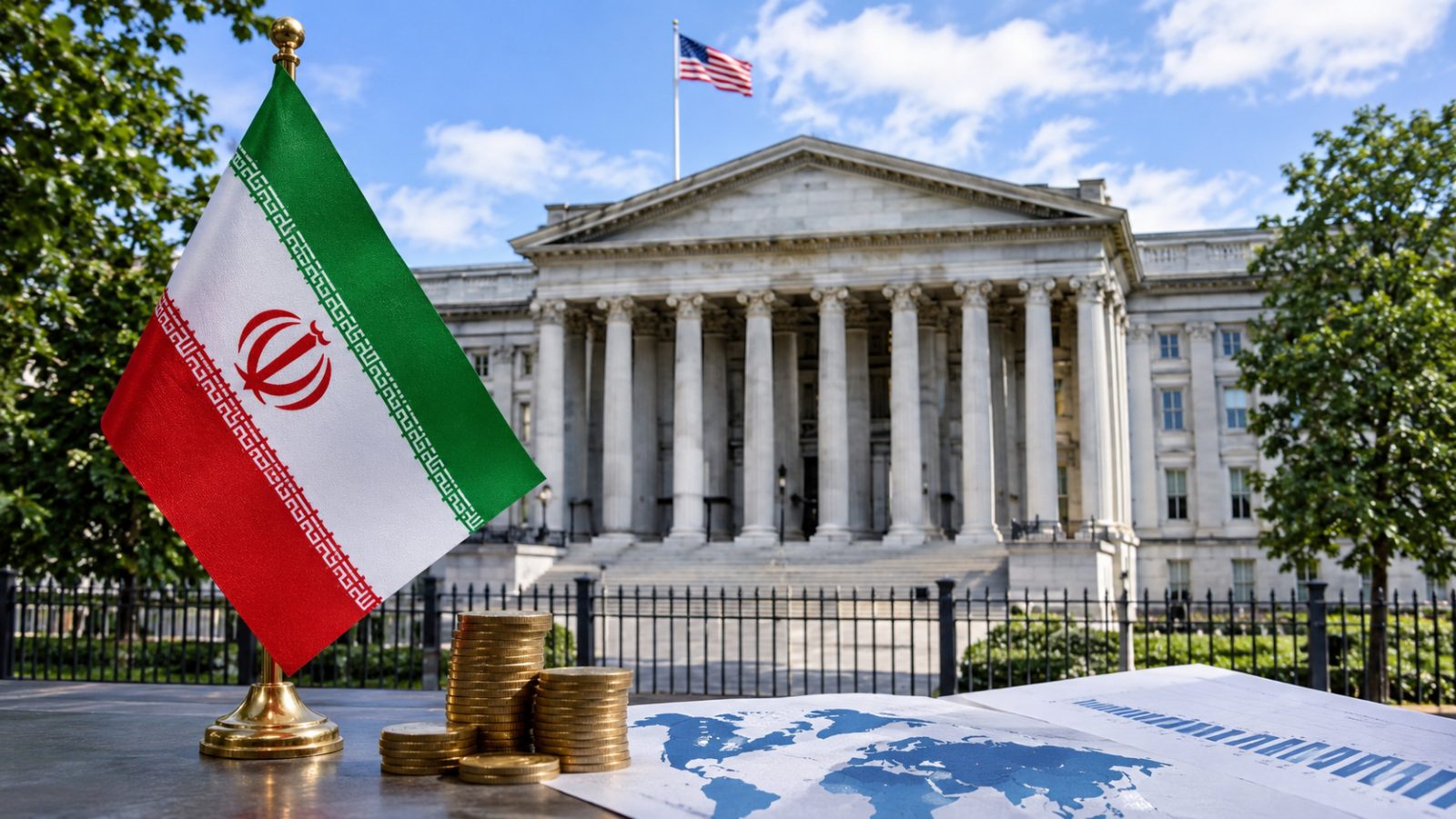
The United States has announced a fresh round of economic sanctions against Iran, targeting more than two dozen financial institutions, exchange houses, front companies and individuals accused of helping Tehran maintain its international financial networks. The latest measures represent another significant escalation in Washington’s economic pressure campaign against the Iranian government.
The US Department of the Treasury announced the sanctions on Monday, November 23, 2026, under an initiative known as Operation Economic Outcast. The campaign aims to restrict Iran’s access to international financial markets, disrupt its ability to move money across borders and weaken the financial networks Washington says help the Iranian government avoid existing sanctions.
According to the Treasury Department, the latest action focuses on Iran’s so-called shadow banking system. This network allegedly allows Iranian businesses and government-linked organizations to transfer money internationally through exchange houses, affiliated companies and other financial intermediaries operating across multiple countries.
The sanctions target more than two dozen Iranian exchange houses, front companies and key individuals. The US government identified businesses operating in several international commercial centers, particularly Dubai in the United Arab Emirates, as well as companies in Turkey and Hong Kong.
American officials say these organizations have played an important role in facilitating international payments for Iranian customers, including businesses associated with the country’s oil, petrochemical, shipping, metals and financial sectors.
Treasury Secretary Scott Bessent said the administration would continue dismantling financial networks that provide the Iranian government with access to international funds. He described the shadow banking system as an important financial lifeline for Tehran and argued that disrupting these channels would make it increasingly difficult for Iran to sustain its international economic activities.
Operation Economic Outcast was announced by the Treasury Department on August 24, 2026. The initiative is designed to isolate Iran economically by targeting financial channels that Washington believes help the country bypass international restrictions and generate revenue through overseas trade.
The administration has indicated that the campaign will not be limited to companies physically operating inside Iran. Foreign businesses, financial intermediaries and individuals accused of helping Iranian organizations evade sanctions could also face restrictions.
One of the most important aspects of the latest announcement is the role of exchange houses. These businesses traditionally provide currency exchange and international payment services, particularly in countries where access to conventional banking services is limited or complicated.
According to the Treasury Department, certain Iranian exchange houses work with affiliated companies known as rahbar companies. These organizations allegedly coordinate transactions and manage financial relationships between Iranian customers, banks and overseas businesses.
American authorities allege that the networks use numerous front companies registered in different countries to make financial transactions more difficult to trace. Such companies can appear to operate in ordinary commercial sectors while allegedly facilitating payments connected to Iranian businesses.
The Treasury Department identified several companies operating in Dubai and other international commercial centers. Authorities allege that some of these businesses facilitated payments involving Iranian banks, petrochemical companies, shipping organizations and other entities already facing US restrictions.
The latest action also targeted the Iran Center for Exchange of Currency and Gold. According to American officials, the institution plays an important intermediary role in Iran’s international trade by connecting exporters earning foreign currency with importers who need foreign currency to purchase goods and supplies.
The Treasury Department says the institution helps coordinate financial transactions worth tens of billions of dollars annually. It also alleges that Iran uses financial arrangements involving currencies such as the Russian ruble and Chinese yuan to facilitate international trade without relying entirely on the US dollar.
Washington considers these alternative financial channels important because they can reduce the effectiveness of traditional sanctions imposed through the American financial system.
Another significant development came from the Treasury Department’s Financial Crimes Enforcement Network, known as FinCEN. On the same day, the agency published a financial analysis identifying approximately $14.7 billion in financial activity potentially connected to Iranian shadow banking networks between January 2025 and August 2026.
The figure highlights the international scale of financial transactions that American authorities are monitoring. However, it is important to understand that the $14.7 billion figure does not represent confirmed illegal money or proven sanctions violations. It refers to financial activity that US authorities identified as potentially connected to Iranian shadow banking based on reports submitted by regulated financial institutions.
The analysis identified several important international financial routes. One involved approximately $2.6 billion in transactions moving from banks in mainland China to banks in the United Arab Emirates. Another involved approximately $981 million moving from Singapore-based banks to UAE-based banks.
A further $922 million in potentially related financial activity involved transfers from banks in the United Kingdom to banks in the United Arab Emirates.
The findings highlight the importance of international financial centers in monitoring transactions associated with Iran. The UAE, Hong Kong and Singapore were identified as prominent locations connected to the networks examined by American authorities.
FinCEN also raised concerns about companies registered in jurisdictions such as the Marshall Islands and the British Virgin Islands. According to the agency, complex corporate structures can make it more difficult for financial institutions to identify the individuals and organizations ultimately benefiting from international transactions.
The report indicated that potentially Iran-linked companies were involved in a wide range of commercial activities, including shipping, international trading, oil and investment-related businesses.
Interestingly, the financial analysis suggested that the volume of potentially related activity declined between January and August 2026. US authorities said this could indicate that earlier sanctions and enforcement measures have partially disrupted Iran’s ability to operate its international shadow banking networks.
Nevertheless, officials warned that the networks remain active and connected through several international financial centers.
The new sanctions also carry important consequences for businesses and individuals outside the United States. Under American sanctions rules, property and financial interests belonging to designated individuals and organizations that fall within US jurisdiction must generally be blocked. US persons and businesses are generally prohibited from conducting transactions with designated parties unless specifically authorized.
Foreign companies that maintain business relationships with sanctioned Iranian organizations could also face significant compliance risks, including potential restrictions on their access to the US financial system, depending on the applicable sanctions authorities and the nature of their activities.
For international banks, shipping companies, currency exchange businesses and trading organizations, the announcement is another reminder that transactions involving Iranian customers may require extensive due diligence.
The sanctions come at a sensitive time in relations between Washington and Tehran. President Donald Trump has maintained a hard-line position toward Iran, particularly concerning its nuclear programme, regional activities and military capabilities.
The wider political situation has also included warnings about the possibility of renewed military action in the coming year. However, the November 23 Treasury announcement is an economic and financial measure, not an announcement of a new military operation.
For Iran, the latest measures could create additional difficulties for businesses attempting to receive international payments, purchase imported goods, obtain foreign currency and maintain relationships with overseas financial institutions.
Iran has faced extensive international restrictions for years, particularly in the energy and financial sectors. These measures have complicated its access to global banking services, foreign investment and international trade.
The Iranian government has previously relied on alternative trading arrangements, regional commercial partners and non-dollar payment mechanisms to maintain economic relationships with other countries.
The latest American action appears designed to make those arrangements more difficult by targeting the intermediaries that connect Iranian businesses with the international financial system.
The consequences could also extend beyond Iran if international companies become more cautious about dealing with businesses that have possible connections to sanctioned entities. Financial institutions may increase screening procedures, review existing customer relationships and reject transactions they consider too risky.
For countries that serve as major international trading and financial centers, the development could create additional pressure to strengthen compliance procedures and investigate suspicious transactions.
The United States has made clear that Operation Economic Outcast will continue targeting what it describes as Iran’s remaining financial lifelines. The Treasury Department says it intends to use sanctions and financial enforcement measures to prevent the Iranian government from accessing international funds through networks designed to evade restrictions.
Whether the latest measures will significantly weaken Iran’s economy remains to be seen. Their effectiveness will depend on how successfully American authorities and international partners identify financial intermediaries, enforce restrictions and prevent sanctioned organizations from establishing replacement networks.
Related News

Hijab-Wearing Councillor Ausma Malik Makes History as Toronto City Council’s New Speaker
Trump Issues New Warning as Iran’s Missile and Drone Attacks Reportedly Increase

Finland Falls Behind Nordic Neighbours in Achieving 90% HPV Vaccination Coverage Target
Comments 0
Log in or create a free account to join the conversation. You can comment anonymously.
No comments yet. Be the first.