

ICE Faces Scrutiny After Paying $68 Million for Georgia Warehouse Worth Far Less
A federal audit has raised questions about ICE’s spending after the agency paid $68.2 million for a warehouse in Oakwood, Georgia, valued at approximately $15 million. The findings have sparked concerns over taxpayer money, government accountability and immigration detention expansion.

CSB News USA
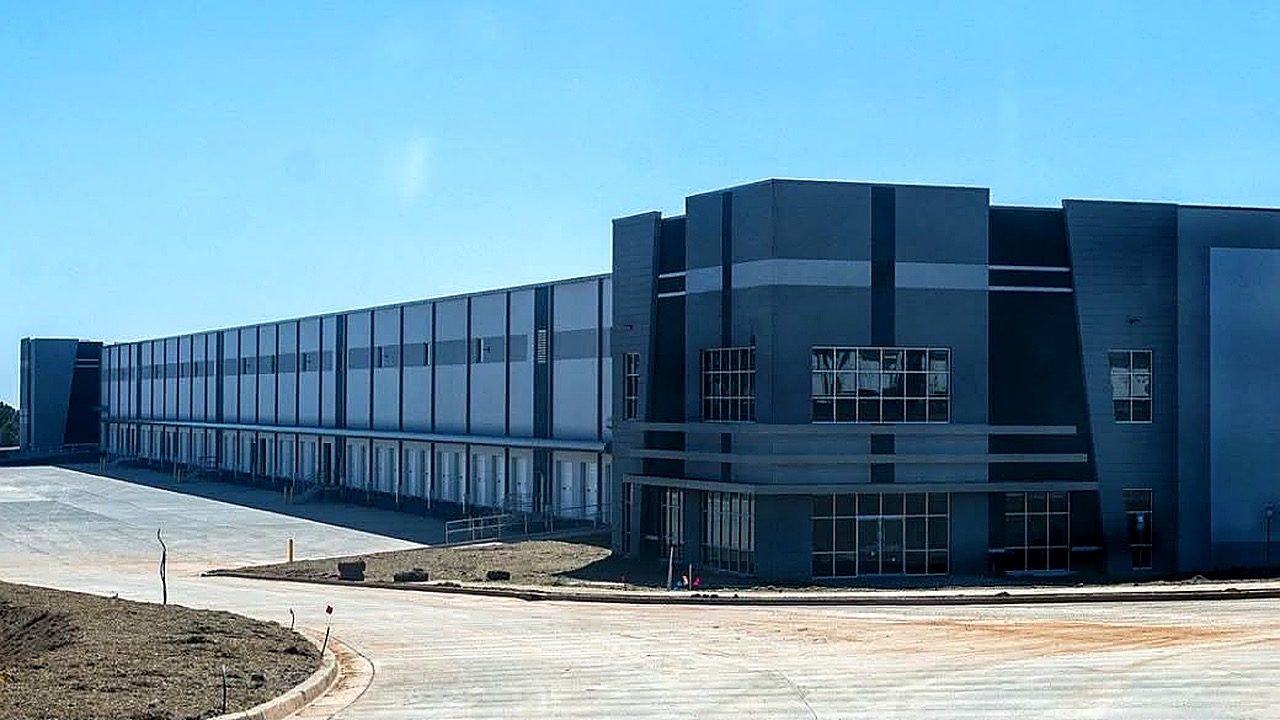
Federal auditors have raised serious concerns about the way U.S. Immigration and Customs Enforcement (ICE) spent taxpayer money to acquire properties intended for immigration detention facilities, including a warehouse in Oakwood, Georgia, purchased for significantly more than its locally assessed taxable value.
According to a November 19, 2026, report by the U.S. Government Accountability Office (GAO), the Department of Homeland Security (DHS), which oversees ICE, paid approximately $68.16 million for the Oakwood property. However, local property assessment records placed its taxable value at approximately $14.98 million in 2026.
The difference amounts to approximately $53.18 million. In percentage terms, the federal government paid about 355 percent more than the property’s assessed taxable value.
The findings appear in a GAO report examining immigration detention spending, the acquisition of new facilities and the management of billions of dollars in federal funding.
The audit raises questions about whether immigration authorities properly evaluated property prices, long-term operating expenses and alternative options before committing substantial amounts of public money.
The Oakwood property is located along Atlanta Highway near Interstate 985 in Hall County, north Georgia. The warehouse complex covers approximately 540,408 square feet and was acquired by the federal government as part of a nationwide initiative to expand immigration detention capacity.
The property was initially intended to become a short-term immigration processing center operated by ICE. Federal planning documents indicated that the facility could accommodate an average daily population of approximately 1,000 to 1,500 detained immigrants.
Unlike larger detention facilities designed to hold people for longer periods, the Oakwood center was expected to serve as a temporary processing location. Detainees could remain there for approximately three to seven days before being transferred to larger detention centers or other locations as part of immigration enforcement operations.However, the purchase price has become a major concern following the federal audit.
The GAO examined the assessed taxable values and acquisition prices of 11 warehouses purchased by ICE between January and April 2026. The review found that the agency paid at least 50 percent above the assessed taxable value for nine properties. In seven cases, the purchase price was at least twice the assessed value.
The audit found that ICE paid approximately 355 percent above the property’s assessed value. The figures place the Georgia property among the warehouses with the largest differences between government assessments and federal purchase prices.
Other acquisitions also raised questions. In Romulus, Michigan, ICE paid approximately $34.67 million for a property assessed at $7.1 million, representing a difference of approximately 388 percent.
In Hamburg, Pennsylvania, the agency paid approximately $87.4 million for a property assessed at $22.15 million, or approximately 295 percent above the assessed value.
The findings suggest that the Oakwood purchase was not an isolated case but part of a broader pattern involving federal property acquisitions.
However, the GAO emphasized an important distinction: local tax assessments do not necessarily represent the actual fair market value of commercial properties. Differences in property condition, location, market demand and other factors can influence selling prices. Therefore, paying more than the assessed value does not automatically establish that a property was purchased at an unfair price.
Nevertheless, auditors found that ICE had not adequately documented cost-effectiveness assessments to justify its major property investment decisions.
The broader warehouse acquisition initiative involved approximately $1.07 billion in purchases covering 11 properties across the country. According to the report, ICE subsequently scaled back the program significantly and planned to sell seven of the acquired warehouses.
A November 12 report by CBS News Atlanta confirmed that the Oakwood and Social Circle warehouses in Georgia had been listed for sale through commercial real estate company Cushman & Wakefield. The properties were included in a larger portfolio of federal warehouse acquisitions being offered to potential buyers.
Reporting by Georgia Public Broadcasting and WABE also confirmed that the federal government had moved away from its original plans to convert the two Georgia properties into detention facilities.
The proposed Oakwood center had faced concerns from local officials about the lack of communication between federal authorities and the city.
Oakwood officials questioned why the community had not been adequately consulted before the federal government moved forward with the acquisition and detention plans.
Local concerns also involved the potential impact of a large detention operation on public infrastructure, emergency services, water supplies and wastewater systems.
The situation was particularly sensitive because the property was located within a growing community whose infrastructure had not necessarily been designed to support a large detention population.
ICE had maintained that the buildings being purchased would be converted into facilities meeting federal detention standards. However, the proposed conversion never moved forward as originally envisioned.
The GAO report also identified significant weaknesses in ICE’s overall financial planning. The agency received $45 billion in immigration detention funding through legislation enacted in July 2025, with the money available through fiscal year 2029.
Despite receiving substantial financial resources, ICE did not adequately update its internal spending plan to reflect changes in the warehouse acquisition initiative.
According to auditors, the agency’s spending plan still included an estimate of more than $38 billion in planned obligations for fiscal year 2026, even though that figure no longer reflected the program’s actual direction. ICE reported approximately $10 billion in obligations from the relevant funding by the end of fiscal year 2026.
The GAO warned that outdated financial projections could make it difficult for government officials and Congress to monitor spending and determine future budget requirements.
The report also noted that ICE had incurred additional expenses beyond the original purchase prices. These included property inspections, due diligence, security, utilities and maintenance.
For the Oakwood warehouse alone, ICE reported approximately $1.05 million in due diligence costs associated with the acquisition.
Across all 11 properties, additional acquisition and due diligence expenses totaled approximately $12 million. The agency also reported more than $800,000 in ownership-related expenses, including utilities and maintenance, as of August 2026, alongside approximately $15.8 million in security-related costs.
The GAO made two recommendations to improve financial accountability. First, ICE should update its detention funding spending plans to reflect actual program developments. Second, the agency should develop comprehensive life-cycle cost estimates and evaluate reasonable alternatives before making additional detention facility investments.
The Department of Homeland Security agreed with both recommendations, according to the report.
The wider issue has become an important subject of debate over federal immigration policy, government transparency and responsible use of public funds.
For communities such as Oakwood, the controversy involves more than the price of a building. It also raises questions about local consultation, infrastructure readiness and the long-term consequences of federal decisions made without sufficient coordination with local authorities.
For American taxpayers, the central question is whether billions of dollars allocated for immigration enforcement are being spent efficiently and supported by adequate financial planning.
The GAO’s findings do not establish that the Oakwood purchase involved criminal wrongdoing or prove that the property was deliberately overvalued. They do, however, identify substantial differences between purchase prices and assessed values, along with weaknesses in the government’s evaluation and oversight processes.
As federal authorities move forward with plans to sell several previously acquired properties, the final sale prices will help determine whether the government can recover its investment or suffer additional financial losses.
The Oakwood warehouse purchase has therefore become an important example of the financial and administrative challenges surrounding the rapid expansion of the country’s immigration detention system.
Reporter
CSB News USA
Related News

Bill Maher Calls Trump-Era Exiles 'Spoiled Brats' After Democrats' Midterm Sweep 2026

Daughter Dies After Donating Part of Her Liver to Save Her Mother’s Life

FBI-Wanted Drug Lord ‘El Chapo Isidro’ Captured in Major Mexican Military Operation

Comments 0
Log in or create a free account to join the conversation. You can comment anonymously.
No comments yet. Be the first.