

Trump Calls Falling Oil Prices a ‘Giant Hoax’ After Midterm Elections
President Donald Trump has called the sharp decline in oil prices following the November midterm elections a “Giant Hoax,” questioning why fuel costs dropped after voters went to the polls. However, market data shows that oil and gasoline prices had already been declining before Election Day, raising questions about his claims.

Reporter · CSB News USA
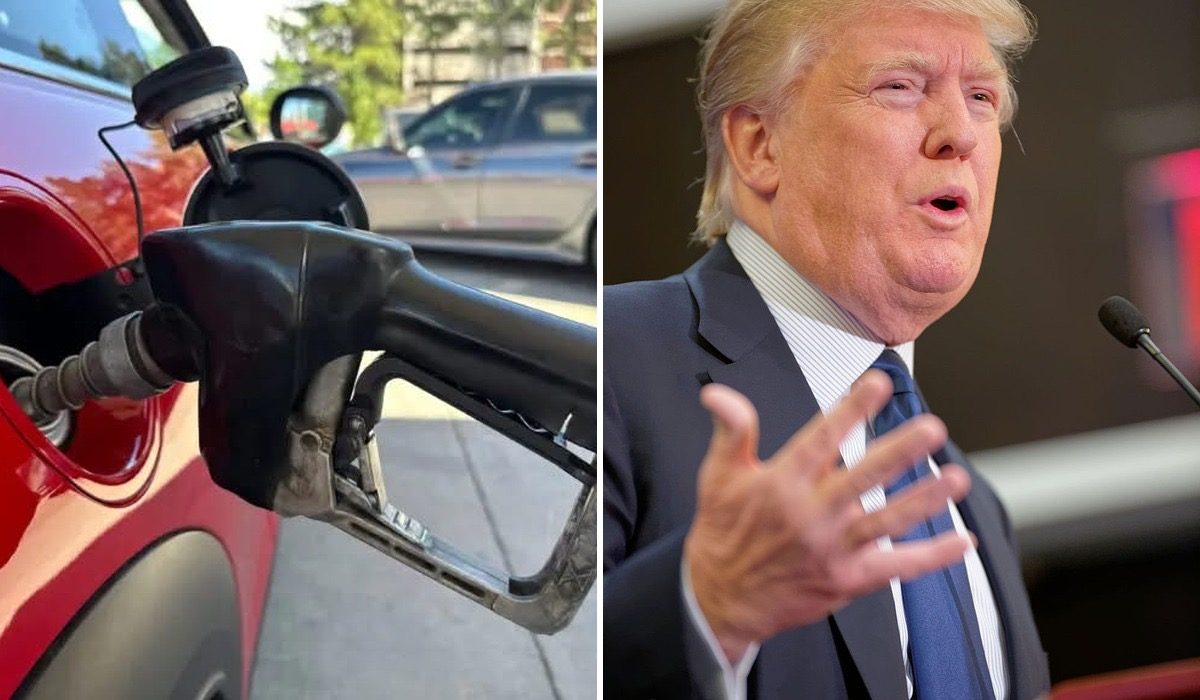
U.S. President Donald Trump has sparked fresh political debate after describing the sharp decline in oil prices following the November 3 midterm elections as a “Giant Hoax.” In a post published on his social media platform, Truth Social, on November 22, Trump questioned why oil prices had dropped so dramatically after the elections, suggesting that the timing was suspicious.
“Isn’t it interesting that Oil prices have dropped precipitously after the Midterm Elections? I said that was going to happen. The whole thing is a Giant Hoax!” Trump wrote in his post.
The statement has attracted attention because fuel prices have been a major political and economic issue in the United States throughout 2026. The country has experienced significant increases in gasoline and crude oil prices amid the conflict involving the United States, Israel and Iran, as well as disruptions to international energy supplies.
However, a closer examination of oil market data reveals a more complicated picture than Trump’s statement suggests. Although oil prices experienced a substantial decline immediately after the November 3 elections, the downward movement had already started before voters went to the polls.
Trump’s comments also raise questions about whether the decline was connected to political developments, changing expectations about the war in the Middle East, seasonal fuel demand or improvements in oil supply.
According to reports attributed to Reuters, international oil prices dropped sharply on November 4, one day after the midterm elections. Brent crude, the international benchmark, reportedly fell by approximately 8.7 percent, while U.S. West Texas Intermediate crude also recorded a significant decline.
The sharp movement was significant, but financial analysts pointed to market expectations surrounding the election results and the possibility of reducing tensions in the Middle East.
The midterm elections changed the political balance in Washington. With Democrats making significant gains, investors began considering whether the Trump administration would face greater political pressure to reconsider its approach to the conflict with Iran.
A divided government could make it more difficult for the president to pursue an extended military confrontation without congressional resistance.
Investors also considered the possibility that the administration might pursue diplomatic negotiations rather than further military escalation. Such expectations can influence oil prices because the Middle East remains one of the world’s most important energy-producing regions.
The Strait of Hormuz is particularly important in this situation. Located between Iran and Oman, the narrow waterway connects the Persian Gulf with international shipping routes. It is a critical passage for crude oil and petroleum products transported from major Gulf producers to global markets.
Before the conflict, approximately one-fifth of the world’s petroleum liquids consumption moved through the Strait of Hormuz. Any military confrontation, shipping restrictions or threats to commercial vessels in the area can create serious concerns about global energy supplies.
During the conflict, disruptions to shipping through the strait contributed to rising oil prices. The possibility of further attacks on vessels and energy infrastructure also increased uncertainty among traders.
Reports in October indicated that oil shipments through the strait had recovered significantly at certain points before renewed attacks caused further disruptions.
These developments demonstrate how quickly energy markets can change in response to security conditions. Shipping volumes can rise and fall depending on military activity, insurance costs, vessel availability and the willingness of shipping companies to operate in the region.
Another important development occurred just before Election Day.
On November 2, international oil prices reportedly dropped significantly after Iran signaled renewed willingness to discuss a possible agreement with the United States.
The decline followed diplomatic developments involving Washington and Tehran. Iranian officials indicated that exchanges with the United States were continuing, raising the possibility that the conflict could move toward a diplomatic solution.
These developments are especially important when evaluating Trump’s claim because they demonstrate that oil prices were already falling before the midterm elections took place.
In fact, the November 4 decline came after a significant fall the previous day.
The president’s suggestion that oil prices only began falling after the election therefore does not accurately describe the full market timeline.
The issue is not limited to crude oil. American consumers have also been watching gasoline prices closely because changes in crude oil costs eventually influence the price motorists pay at gas stations.
According to gasoline price reports, the national average price of regular gasoline fell below $4 per gallon in November. The decline offered some relief to American motorists who had been struggling with higher transportation costs.
However, gasoline prices remained considerably higher than they had been during the same period in 2025.
The decline in gasoline prices has several possible explanations beyond political developments.
One major factor is seasonal demand. Americans generally drive less as temperatures fall during autumn and winter. Lower demand can reduce pressure on gasoline prices.
Another factor is the seasonal transition to winter-blend gasoline. Winter fuel formulations are generally less expensive to produce than summer blends, which can contribute to lower prices at the pump.
Refinery operations also play an important role. Maintenance schedules, production levels, supply disruptions and regional distribution problems can all influence the prices consumers pay.
FactCheck.org has examined Trump’s broader claims about gasoline prices and reported that gasoline prices had been declining for more than a month before the November 3 elections.
Its analysis pointed to several factors behind the decline, including seasonal demand, changing global oil supplies and developments involving the Strait of Hormuz.
Energy analysts have also emphasized that gasoline prices are influenced by numerous market factors rather than a single political decision.
The available evidence does not establish that oil companies, government officials or political organizations deliberately delayed reductions in fuel prices to influence the election.
This distinction is important because oil and gasoline markets are influenced by international supply and demand. Prices can change rapidly when traders receive new information about wars, diplomatic negotiations, shipping security, production levels or economic growth.
Trump has repeatedly argued that falling fuel prices should have benefited Republicans politically before the midterm elections.
His latest statement suggests that he believes the timing of the decline deserves scrutiny. However, he has not presented independently verified evidence demonstrating that an organized effort deliberately kept oil prices high before Election Day.
There is another important distinction between crude oil prices and gasoline prices. Crude oil is a major component of gasoline production, but retail fuel prices do not always move immediately or by the same percentage as international oil benchmarks.
Refining costs, transportation expenses, taxes, distribution margins and regional supply conditions also influence the final price.
This means that a sharp decline in international crude prices does not automatically translate into an equally sharp reduction at every American gas station.
For millions of American households, particularly those who depend on cars for work, education and daily transportation, lower gasoline prices can provide some financial relief.
However, the broader economic situation remains complicated. Higher fuel costs earlier in the year contributed to increased transportation and production expenses, affecting businesses and consumers across the country.
Airlines, shipping companies, trucking businesses and manufacturers are particularly sensitive to changes in energy prices.
The political implications are also significant. Fuel prices have historically been an important issue during American elections because voters often associate the cost of gasoline with the economic performance of the administration in power.
The 2026 midterm elections took place against the backdrop of an international conflict, rising energy costs and growing concerns about the cost of living.
Trump’s latest comments have therefore reopened a wider debate about whether energy prices were influenced by political decisions or primarily by international market conditions.
The available evidence supports two important conclusions. First, oil prices did experience a substantial decline immediately after the midterm elections. Second, that decline had already begun before Election Day, particularly following diplomatic developments involving Iran and the United States.
There is no independently verified evidence establishing that the timing of the decline was the result of a coordinated political conspiracy.
Consequently, Trump’s description of the situation as a “Giant Hoax” represents his political interpretation rather than a conclusion supported by independently established market evidence.
The coming weeks will be important for determining whether lower oil prices can continue. Any progress toward ending the conflict with Iran, changes in shipping conditions through the Strait of Hormuz, decisions by major oil producers and shifts in global demand could influence the direction of energy markets.
For American consumers, the most important question is whether the recent decline will translate into sustained relief at the gas pump.
Related News

Finland Imposes Air and Sea Restrictions Twice Following Drone Attack on Russian Cargo Ship

Most Flights at Brussels Airport Expected to Be Canceled Monday Amid National Strike

FBI Investigates Suspected Hack of Nationwide Criminal Information Database
Comments 0
Log in or create a free account to join the conversation. You can comment anonymously.
No comments yet. Be the first.