

Hijab-Wearing Councillor Ausma Malik Makes History as Toronto City Council’s New Speaker
Ausma Malik has been elected Speaker of Toronto City Council for the 2026–2030 term, becoming a historic figure in the city’s political leadership. The hijab-wearing Muslim politician represents Spadina–Fort York and previously served as deputy mayor. Her election marks a new chapter in Toronto’s municipal political history.

Reporter · CSB News USA
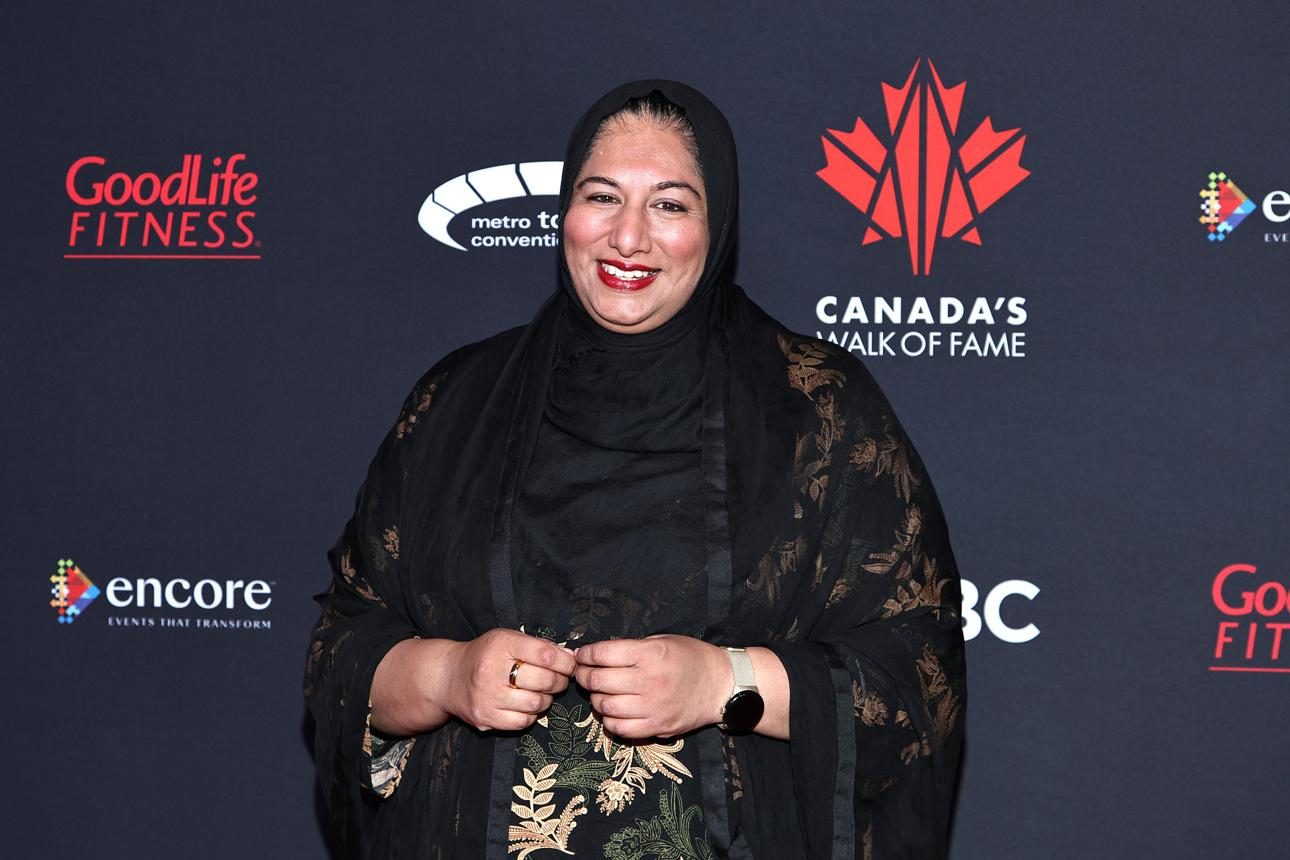
Ausma Malik has been elected as the new Speaker of Toronto City Council, marking an important moment in the political history of Canada’s largest city. The hijab-wearing Muslim politician was chosen for the position during the first meeting of Toronto’s 2026–2030 City Council term on November 18, 2026.
Malik represents Ward 10, Spadina–Fort York, and previously served as Toronto’s Deputy Mayor. Her election to the Speaker’s position has attracted attention because she is the first hijab-wearing Muslim woman elected to public office in Canada and the first hijab-wearing woman to serve as a Toronto city councillor.
The election took place at Toronto City Hall as councillors gathered for the opening of the new four-year council term. The City of Toronto officially confirmed Malik’s election in its November 18 announcement. Councillor Shelley Carroll, who represents Don Valley North, was elected Deputy Speaker.
The appointment also marks the end of a long period under former Speaker Frances Nunziata, who held the position for nearly 16 years, beginning in 2010. Nunziata did not return to council after losing her seat in the October 26, 2026 municipal election.
Malik’s election represents a major leadership change at City Hall. As Speaker, she will be responsible for presiding over City Council meetings, maintaining order during discussions, applying council procedures and ensuring that elected representatives have a fair opportunity to participate in debates.
The Speaker plays an important role in the city’s democratic system. Although the position does not make the holder Toronto’s mayor, it gives the Speaker significant responsibility for managing council proceedings. The Speaker must ensure that meetings follow established rules and that councillors can discuss proposals, question decisions and participate in official business.
Toronto City Council elects its Speaker and Deputy Speaker at the beginning of each new four-year term. The mayor must consent to the election process under the city’s council procedures. In this case, Mayor Olivia Chow agreed to the process before the November meeting.
Malik’s journey into public service began long before her election to Toronto City Council. Between 2014 and 2018, she served as a trustee on the Toronto District School Board. During that period, she became the first hijab-wearing Muslim woman elected to public office in Canada.
Her election as a school board trustee was an important milestone for Muslim women and communities that have often had limited representation in public leadership. Her achievement showed that women from different cultural and religious backgrounds could participate in public decision-making and help shape the future of their communities.
In 2022, Malik made another historic achievement when she entered Toronto municipal politics. She won the Ward 10, Spadina–Fort York, city council seat, becoming Toronto’s first hijab-wearing city councillor. Her election brought greater visibility to Muslim women in Canadian municipal politics.
Her political career continued to grow after Mayor Olivia Chow took office. In August 2023, Malik was appointed as one of Toronto’s Deputy Mayors. She also served as the statutory Deputy Mayor, taking on additional responsibilities within the city’s leadership structure.
During her time as Deputy Mayor, Malik participated in important municipal committees and public bodies. These included the Executive Committee and the Toronto Transit Commission board. She also worked on issues involving housing, transportation, public spaces and community development.
Before becoming a full-time elected politician, Malik built experience in education, community organizing and social policy. From 2016 to 2022, she worked as Director of Advocacy and Organizing at the Atkinson Foundation. Her work focused on decent employment, economic fairness and supporting community organizations.
Her earlier experience also included student organizing, environmental activism, childcare advocacy and efforts to improve access to education. These experiences helped shape her political priorities and approach to public service.
One of the projects associated with her work as a school board trustee was the development of Jean Lumb Public School in downtown Toronto. The school was described by her office as the first new public school built in downtown Toronto in more than 20 years.
Malik has consistently highlighted affordable housing, improved public transportation, safer streets and inclusive public spaces as important priorities for Toronto. These issues are particularly important in a city where housing costs, population growth and transportation demands remain major concerns.
Her re-election in October 2026 provided another sign of her continued political support. She successfully defended her Ward 10 seat in the municipal election held on October 26. Early election reporting indicated that she received nearly 22,000 votes, comfortably ahead of her closest challenger, Ian Cunningham, who received just over 13,000 votes. The City of Toronto subsequently certified the official municipal election results on October 29.
The 2026–2030 council term began with several changes in Toronto’s political leadership. Seven new councillors joined 18 returning councillors, while Olivia Chow was re-elected as mayor. The new council faces a number of important challenges involving housing affordability, public transportation, city finances and essential public services.
At the first meeting, Mayor Chow emphasized the need to build a more affordable, caring and safer city. She also raised concerns about the financial pressures facing Toronto and other Canadian cities. Municipal governments depend on funding from different levels of government to maintain public services and infrastructure.
Toronto is expected to face difficult financial discussions in the coming years. The city needs sufficient resources to support public transportation, emergency services, housing programs, shelters and other essential services. The previous funding agreement between Toronto and the Ontario government is also approaching its expiry in March 2027.
As Speaker, Malik will have an important responsibility in managing the discussions and decisions that take place inside the council chamber. However, the role is different from that of the mayor. The mayor leads the city’s political administration, while the Speaker primarily oversees council meetings and ensures that official proceedings are conducted according to the rules.
Her new position also comes at a time when Toronto’s political landscape is changing. Several new councillors have joined the chamber, and the city must work through important decisions concerning its budget, housing development and transportation infrastructure.
Malik’s achievement has significance beyond Toronto. Canada is home to people from different religious, cultural and ethnic backgrounds, and representation in public institutions remains an important issue for many communities. Her journey from a school board trustee to Deputy Mayor and now Speaker demonstrates how participation in local government can create opportunities for greater representation.
For Muslim women, particularly those who wear the hijab, her political journey may also serve as an example of participation in public leadership. Her achievements show that religious identity and public service can exist together in Canada’s democratic institutions.
However, her new position will also bring challenges. The Speaker must remain fair and impartial while dealing with disagreements among councillors who may hold very different political opinions. Managing debates, maintaining order and ensuring that council decisions follow the proper procedures will be central to her responsibilities.
The appointment is therefore more than a symbolic milestone. It places Malik in an important position within the city’s democratic decision-making process.
Toronto City Council has officially confirmed Ausma Malik as Speaker for the 2026–2030 term. Her election marks a new chapter in the city’s political leadership and adds another significant achievement to the career of Canada’s first hijab-wearing Muslim woman elected to public office.
Related News

Trump Issues New Warning as Iran’s Missile and Drone Attacks Reportedly Increase

Finland Falls Behind Nordic Neighbours in Achieving 90% HPV Vaccination Coverage Target

Finland Records 364 Bankruptcies in October 2026, Up 16 From Last Year

Comments 0
Log in or create a free account to join the conversation. You can comment anonymously.
No comments yet. Be the first.