

Trump’s Asylum Policy Faces Major Legal Challenge Before the US Supreme Court
The U.S. Supreme Court has agreed to review the legality of President Donald Trump’s policy restricting asylum applications at the southern border. A ruling could have significant implications for asylum seekers and U.S. immigration policy.

CSB News USA
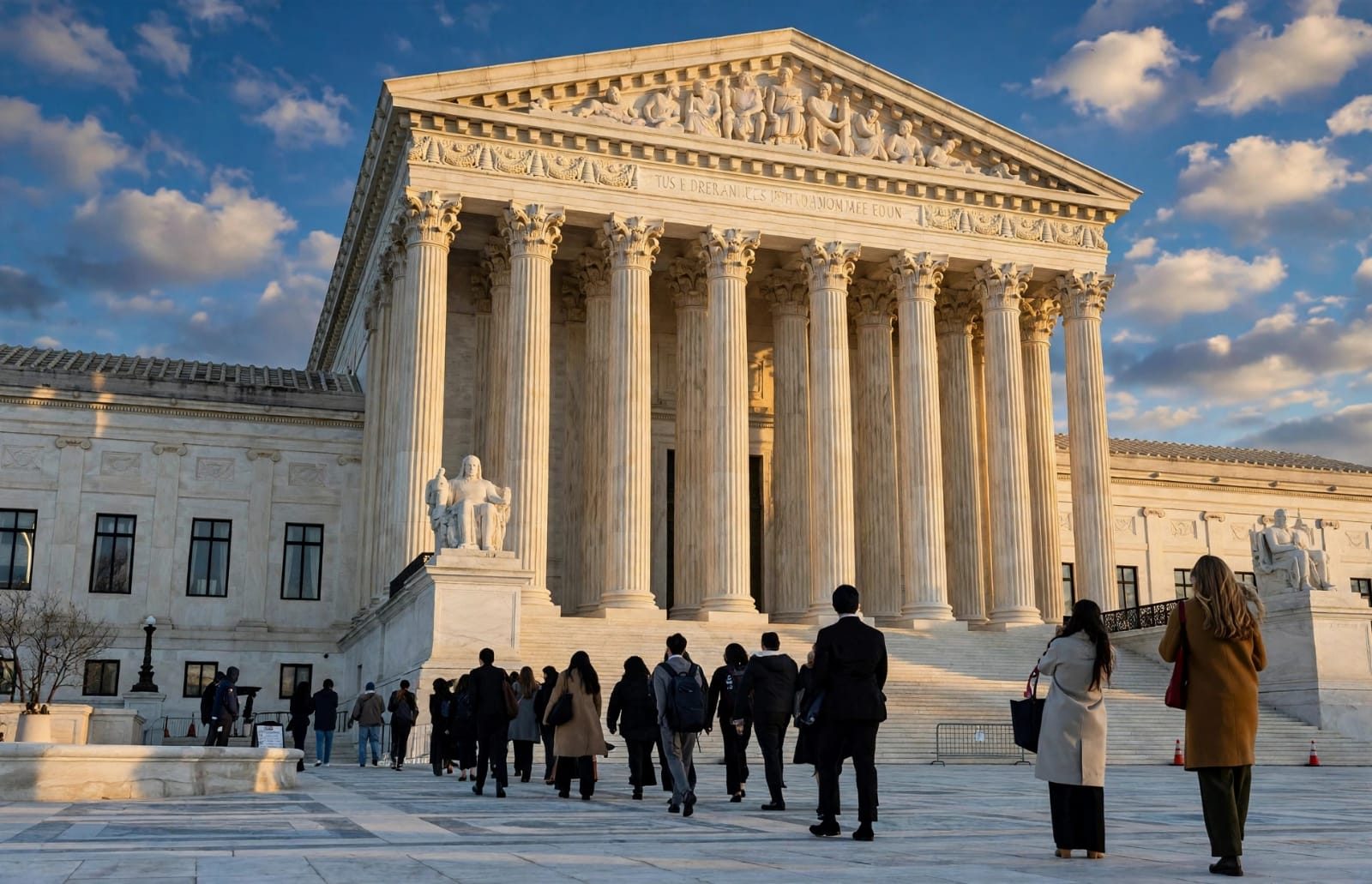
The U.S. Supreme Court has agreed to examine the legality of President Donald Trump’s policy restricting access to asylum at the country’s southern border, opening a major legal battle over the administration’s immigration agenda.
Trump issued an executive order on January 20, 2025, directing the federal government to restrict access to asylum procedures for certain migrants entering the United States through the southern border. The administration argued that the measure was necessary to address what it described as an emergency situation at the border and strengthen immigration enforcement.
However, immigrant rights organizations challenged the policy, arguing that federal immigration law protects the right of eligible individuals to seek asylum in the United States, particularly those fleeing persecution or serious threats in their home countries.
A federal district court ruled against the administration’s policy in 2025. An appeals court also upheld the lower court’s decision in April 2026. The Trump administration subsequently asked the Supreme Court to review the case.
The Supreme Court will consider whether the president has the legal authority to restrict access to asylum through an executive order and whether lower courts had the authority to issue broad protections for affected asylum seekers. Arguments are expected during the spring of 2027, with a decision potentially arriving by the end of June.
The outcome could shape the future of asylum procedures, presidential authority over immigration enforcement, and legal protections available to people seeking refuge in the United States.
For immigrants and Bangladeshi communities in the United States, the case is particularly important for those involved in asylum proceedings or supporting family members seeking protection. However, the case does not automatically change the immigration status or asylum eligibility of every immigrant living in the country.
The Supreme Court has not issued a final ruling. The existing policy remains in effect while the legal proceedings continue.
Reporter
CSB News USA
Related News
FAA Chief Apologizes After Nationwide Flight Shutdown Disrupts Thousands of American Travelers
Marco Rubio Questions Whether Americans Have a Moral Right to Exist as a Distinct Nation

SpaceX Launches Starship Flight 15 in Historic Bid for First-Ever Orbital Round Trip
Comments 0
Log in or create a free account to join the conversation. You can comment anonymously.
No comments yet. Be the first.