

Democratic Midterm Victory Pressures Trump as Republicans Face Leadership Challenges
Democrats’ sweeping midterm victories have placed Republicans under growing political pressure, shifting control of Congress and raising questions about Trump’s policies, party leadership, economic priorities and potential investigations into the administration’s decisions during the final two years of his presidency.

International Broadcast Journalist · CSB News USA
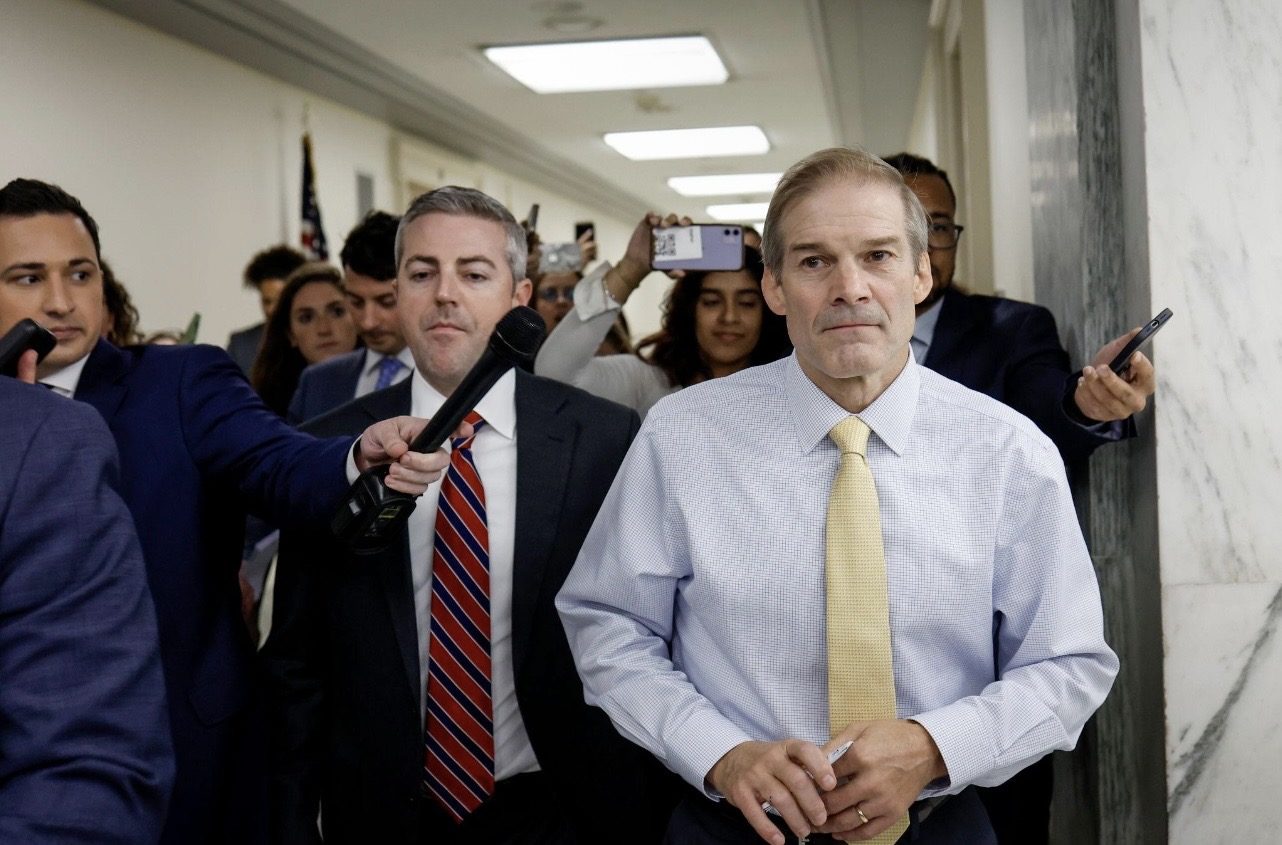
President Donald Trump’s Republican Party is facing a difficult political reckoning after Democrats secured control of both chambers of Congress in the November 3 midterm elections. The defeat has intensified internal discussions over the party’s leadership, economic policies and relationship with the president, while Democrats prepare an ambitious oversight agenda targeting his administration.
The election marked a significant setback for Republicans, who had controlled the White House and both chambers of Congress. The Associated Press called Democratic control of the Senate late on election night and the House early on November 4. Democrats are scheduled to assume control when the 120th Congress convenes on January 3, 2027.
The result means Trump will spend the final two years of his presidency facing a Congress controlled by the opposition party. Although the president retains executive authority, Democrats will gain greater influence over legislation, federal spending, congressional investigations and the confirmation process for certain government appointments.
The scale of the Republican defeat has prompted lawmakers to reconsider why voters turned against the party. Economic concerns, rising living costs, fuel prices, healthcare spending and dissatisfaction with the administration’s policies have emerged as major issues in post-election discussions.
Rep. Richard Hudson of North Carolina, who led the House Republican campaign organization, acknowledged that voters were frustrated by expensive gasoline and the rising cost of everyday necessities. He said Republicans had failed to communicate effectively that they understood and cared about those financial pressures.
Sen. Josh Hawley of Missouri also criticized his party’s approach to domestic policy. He argued that reductions in rural healthcare spending and insufficient attention to poor, vulnerable and working-class Americans contributed to the defeat.
Republican Rep. Lauren Boebert of Colorado similarly acknowledged that voters had delivered a clear message about the party’s performance in government. Her comments reflected growing recognition among some Republicans that their political strategy had failed to connect with ordinary Americans.
The defeat has also exposed divisions over how Republicans should respond to the changing political landscape. Some lawmakers favor a more moderate approach focused on economic concerns and rebuilding public confidence. Others believe the party should maintain its confrontational position to energize conservative voters and protect Trump’s political coalition.
The leadership changes in Congress illustrate that debate. On November 10, House Republicans elected Ohio Rep. Jim Jordan as their minority leader for the next Congress. Jordan defeated Louisiana Rep. Steve Scalise by 106 votes to 73 in a secret ballot.
Jordan is a founding member of the conservative House Freedom Caucus and a prominent supporter of Trump. He has previously led the House Judiciary Committee and served as a leading Republican voice in congressional investigations and political disputes with Democrats.
His election suggests that House Republicans may adopt a combative strategy as they prepare to operate in the minority. Rather than immediately moving toward moderation, the party has selected a leader closely aligned with the president and known for challenging Democratic priorities.
Rep. Tom Emmer of Minnesota was elected Republican minority whip, while Michigan Rep. Lisa McClain retained her position as conference chair.
In the Senate, Republicans decided to keep South Dakota Sen. John Thune as their leader. His colleagues approved his continued leadership without a formal contested vote after discussions about the election losses. Some conservatives had questioned whether the party should reconsider its leadership, but no alternative candidate emerged.
The different leadership outcomes demonstrate that Republicans are still debating how to respond to the electoral setback. Jordan represents a more confrontational direction in the House, while Thune’s continued leadership provides greater continuity in the Senate.
For Democrats, the election creates an opportunity to strengthen congressional oversight of the Trump administration. Lawmakers are preparing investigations into several areas, including the Justice Department, immigration enforcement, federal spending, public health policy and the administration’s handling of the war with Iran.
Rep. Robert Garcia of California is expected to play an important role in leading House oversight efforts. Democratic lawmakers have indicated that they intend to examine possible misconduct, government accountability and the administration’s handling of sensitive records.
Another likely focus is the administration’s immigration enforcement operations. Democratic lawmakers have raised concerns about alleged misconduct by federal immigration agents and the use of force during enforcement activities. They are expected to seek public hearings, official records and testimony from relevant government officials.
The Justice Department could face particularly intense scrutiny. Democratic lawmakers have expressed concerns about politically sensitive investigations, the dismissal of career employees and decisions involving federal prosecutors. The department may face requests for documents and testimony as congressional oversight expands.
However, congressional investigations do not automatically establish wrongdoing. Any allegations will need to be examined through evidence, official documents and testimony. The administration may also challenge certain requests through legal channels, making some investigations lengthy and politically contentious.
The war with Iran is another major issue expected to dominate congressional debates. Democrats have questioned the administration’s decision-making and the legal basis for military operations. They may use congressional hearings, spending restrictions and war powers legislation to challenge the president’s approach.
Republicans have also faced criticism over the war and its economic consequences. Higher fuel prices have increased pressure on households, making the conflict an important issue in discussions about the election results. Vice President JD Vance has also identified the Iran war as one of the factors behind the Republican losses.
Democratic leaders are preparing a legislative agenda focused on reducing household expenses. House Democratic leader Hakeem Jeffries is expected to become the next speaker when the new Congress begins. Democrats have identified healthcare affordability, grocery prices, gasoline costs and housing expenses as priorities.
According to Reuters reporting on November 13, Democratic lawmakers are considering restoring certain healthcare subsidies, reversing Medicaid reductions, addressing the Iran war and challenging Trump’s international tariff policies. Other proposals include banning congressional stock trading, increasing the federal minimum wage and protecting rural hospitals.
However, passing major legislation may remain difficult. Even with control of both chambers, Democrats will need to negotiate internal differences and overcome the possibility of presidential vetoes. Their majority will provide greater oversight powers, but it will not guarantee that every legislative proposal becomes law.
The Senate presents an additional challenge because most major legislation requires 60 votes to overcome a filibuster. Democrats will therefore need Republican support for many proposals or may have to explore budget reconciliation for eligible spending and tax measures.
Trump has indicated that he is willing to work with Democrats on certain issues, but disagreements over immigration, foreign policy, spending and economic priorities could produce repeated confrontations. The president will retain the power to veto legislation, while Democrats will have the ability to investigate administration decisions and block or delay some of his policy initiatives.
For Republicans, the immediate challenge is deciding whether to change course or remain closely aligned with Trump. The election has raised questions about the durability of the president’s political movement and the party’s ability to regain the support of voters concerned about economic pressures.
As the new Congress approaches, Washington is preparing for a period of intensified political competition. Democrats are promising stronger oversight and a renewed legislative agenda, while Republicans are preparing to defend the president and rebuild their electoral position.
The November election has therefore changed the balance of power in Washington. With Democrats preparing to control both chambers and Republicans entering the congressional minority, the next two years could bring investigations, legislative deadlock and increasingly difficult battles over the direction of American government.
Related News
Democratic Opposition Mounts Pressure on Hakeem Jeffries Ahead of Crucial House Leadership Vote

FAA Grounds US Departures Nationwide After Major Air Traffic Control Communications Failure

Melania Trump Thanks US Military Families During Special Visit to Fort Rucker Ahead of Thanksgiving

Comments 0
Log in or create a free account to join the conversation. You can comment anonymously.
No comments yet. Be the first.