

COP31 Focuses on Urban Resilience, Energy-Efficient Buildings and Climate Investment
Urban resilience, energy-efficient buildings and climate adaptation financing are taking centre stage at COP31 in Antalya, as governments and business leaders explore ways to turn climate commitments into concrete investments.

CSB News USA
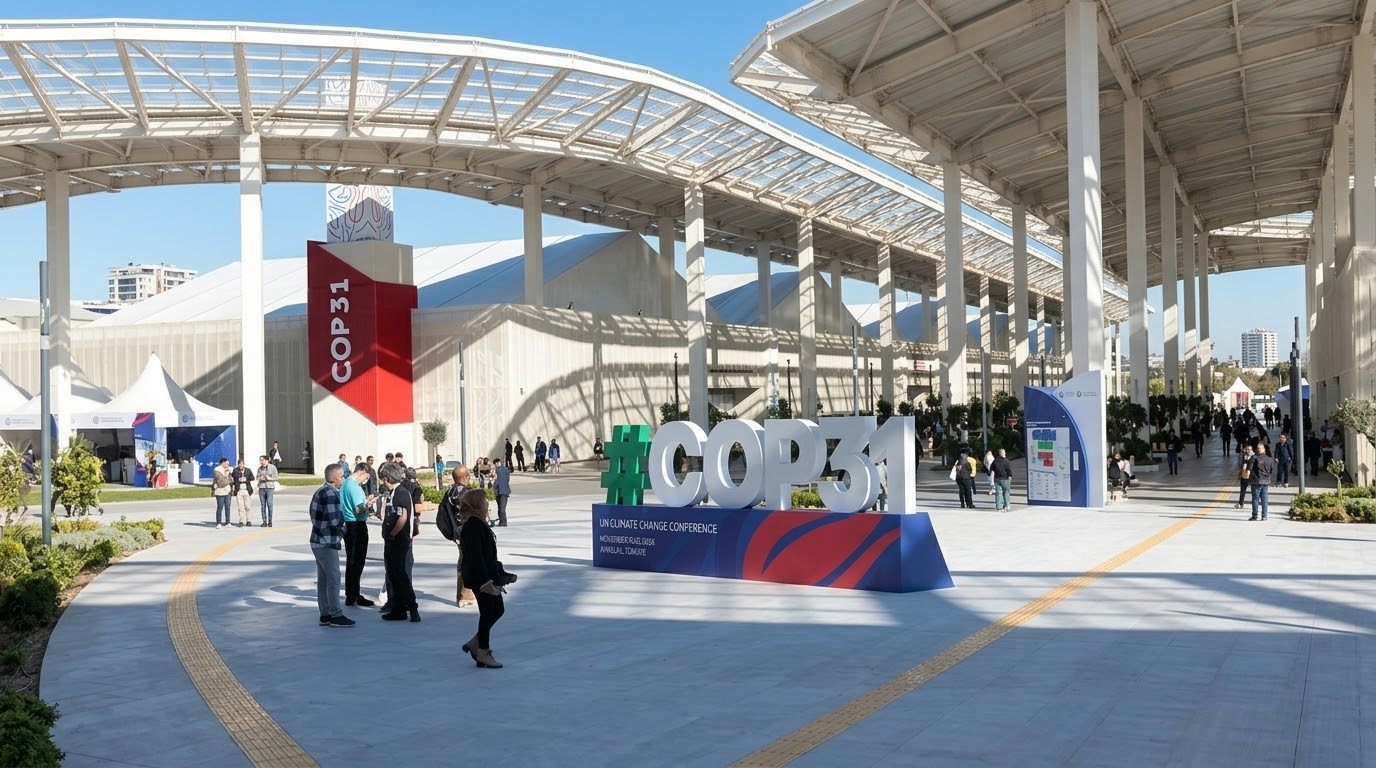
At a High-Level Dialogue on Urban Resilience, Adaptation and Climate Action held on Thursday, delegates discussed how to translate national climate commitments and adaptation plans into concrete investments in cities and communities.
The dialogue was jointly convened by the COP31 Presidency of Türkiye and the United Nations Human Settlements Programme (UN-Habitat).
"Countries have made important climate commitments. Now it is time to deliver," said Anacláudia Rossbach, UN Under-Secretary-General and Executive Director of UN-Habitat.
She stressed that adequate housing, the transformation of informal settlements and slums, and stronger urban resilience must remain central to climate action to ensure a sustainable and inclusive future.
COP31 President and Turkish Minister of Environment, Urbanization and Climate Change Murat Kurum said climate action should result in safer communities, more energy-efficient homes, stronger infrastructure and better protection against climate-related risks.
Meanwhile, participating countries welcomed the Antalya Compact for Energy Efficient Buildings, an initiative launched under the COP31 Presidency to accelerate energy efficiency and electrification in buildings.
The compact aims to advance two of the presidency's global targets for 2035: reducing the operational energy intensity of the global building stock by 25 percent and accelerating efficient electrification in buildings.
UN Environment Programme (UNEP) Executive Director Inger Andersen described the compact as an important step toward making energy-efficient and climate-resilient buildings the global standard.
She urged governments to turn the commitment into concrete policies, investments and solutions that reduce greenhouse gas emissions and energy costs.
The COP31 Presidency also highlighted the Sustainable Urban Resilience Financing Facility (SURFF), launched in September to bring together governments, cities, international financial institutions and public and private sector partners.
The facility aims to transform climate commitments into investment-ready projects and mobilize financing for urban resilience.
According to a briefing note provided by the Turkish side, the initiative draws on Türkiye's experience in post-earthquake reconstruction, including the construction of disaster-resilient and energy-efficient homes in 11 provinces following the February 2023 earthquakes.
Efforts to attract climate-related investment have also involved the private sector. The COP31 Business Forum continued on Friday, bringing together more than 600 CEOs and senior business leaders representing nearly 300 organizations.
The forum aims to accelerate private-sector action and investment in electrification, resilient cities and green industrialization.
Reporter


Comments 0
Log in or create a free account to join the conversation. You can comment anonymously.
No comments yet. Be the first.