

Trump Faces New Political Challenges as Democrats Take Control of Both Congressional Chambers
Democrats have secured control of both the US House and Senate in the 2026 midterm elections, setting the stage for a major political showdown with President Donald Trump.

Reporter · CSB News USA
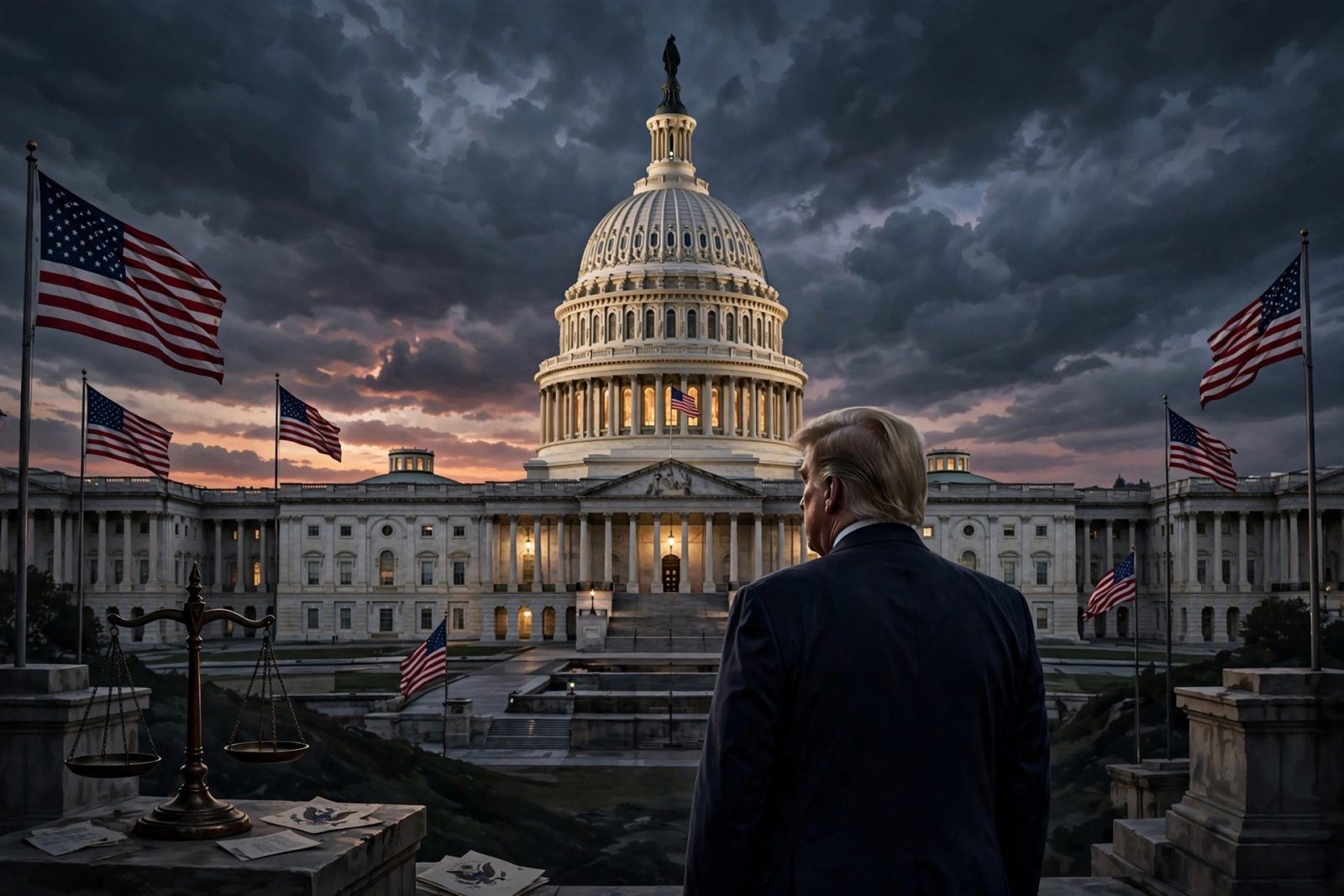
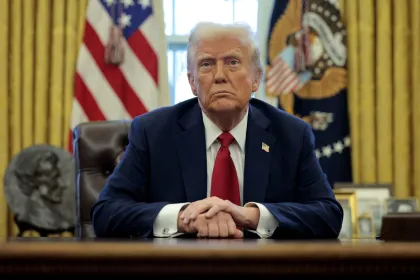
President Donald Trump is heading into a challenging new political phase after Democrats secured control of both chambers of Congress in the November 3, 2026, midterm elections. The results have reshaped Washington's political landscape and could significantly complicate the administration's legislative agenda during the final two years of Trump's presidency.
The Associated Press called the Senate for Democrats on election night and projected Democratic control of the House early Wednesday morning. The outcome gives Democrats a new opportunity to influence federal legislation, oversee government operations and scrutinize decisions made by the Trump administration.
Although Republicans will continue to control the White House, the shift in congressional power means Trump will face a Democratic-led House and Senate beginning January 3, 2027, when the new Congress is scheduled to take office.
One of the biggest areas of potential conflict is immigration policy. Trump's administration has pursued strict border enforcement and a tougher approach to immigration. With Democrats controlling Congress, lawmakers could intensify scrutiny of deportation operations, detention facilities, asylum procedures and federal immigration spending.
For immigrant communities, including millions of people of Bangladeshi origin living in the United States, developments in Washington could become particularly important. Immigration enforcement, family-based immigration, asylum procedures and access to legal protections are among the issues that many families closely follow.
However, a Democratic majority does not automatically cancel Trump's existing immigration policies. The president retains significant executive authority, while Congress can influence policy through legislation, funding decisions and oversight.
Federal spending is another issue likely to create tension between the White House and Congress. Lawmakers must negotiate government funding, defense spending and funding for various federal agencies. Disagreements over spending priorities could make budget negotiations more difficult and increase the risk of a partial government shutdown if funding agreements are not reached.
Healthcare and the rising cost of living are also expected to feature prominently in congressional debates. Democrats are likely to push for measures addressing healthcare affordability, insurance coverage and household expenses. The administration, meanwhile, will seek to advance its own economic and tax priorities.
Congressional investigations could become another major challenge for Trump. Democratic lawmakers are expected to use committee hearings and oversight powers to examine federal spending, immigration enforcement and decisions made by executive agencies. Government officials may be called to testify and provide documents as part of congressional inquiries.
Such investigations could generate significant political pressure on the administration. However, an investigation or congressional allegation does not establish wrongdoing; any legal conclusions would require appropriate evidence and procedures.
The Senate will also play an important role in shaping the administration's future. Presidential nominations for Cabinet positions, ambassadors and federal judges generally require Senate confirmation. A Democratic-controlled Senate could scrutinize nominees more closely and potentially delay or reject certain appointments.
Passing legislation could also become more complicated. Most bills must secure approval from both the House and Senate before reaching the president. Trump retains the constitutional power to veto legislation, while Congress generally needs a two-thirds majority in both chambers to override a presidential veto.
Foreign policy, international trade and national security could also become subjects of increased congressional scrutiny. Lawmakers may question the administration's decisions on tariffs, military spending and international conflicts, although the president retains substantial authority in conducting foreign policy.
For the next two years, Washington is therefore likely to experience a different balance of political power. Democrats will have greater influence over legislation, congressional investigations and federal spending priorities, while Trump will retain control of the executive branch and the power to veto bills.
The central question now is whether the White House and the Democratic-led Congress can find common ground on issues affecting American households, businesses and immigrant communities—or whether political disagreements will slow down major policy decisions.
The outcome of this new political confrontation could shape America's domestic and international policy direction ahead of the 2028 presidential election.
Related News
Facing Criticism Over Iran War, Defense Secretary Vows to Stay in Office
Trump’s Top Advisers Joked About Seeking Political Asylum in Israel Amid Election Fears
Democrats make major gains in Congress as Republicans face a significant midterm election setback
Comments 0
Log in or create a free account to join the conversation. You can comment anonymously.
No comments yet. Be the first.