

Trump Says Iran Talks Have Made Progress as Qatar Pushes for Deal
President Donald Trump says Washington has made progress in talks with Iran, while Qatar continues mediation amid renewed military tensions.

CSB News USA
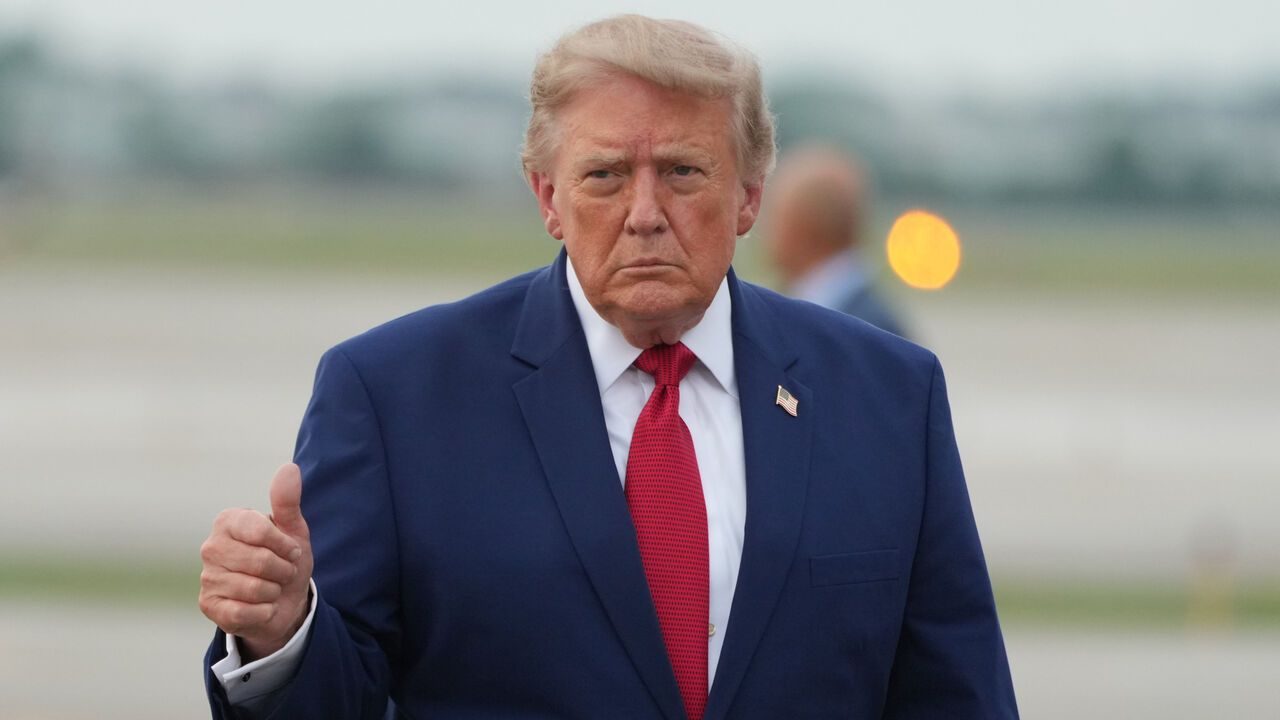
U.S. President Donald Trump has claimed that Washington has made significant progress in its discussions with Iran, raising fresh hopes for a possible diplomatic agreement to end the ongoing conflict. His remarks came as Qatar intensified its mediation efforts between the two countries, while Iranian officials continued to demand major concessions from the United States before entering substantive negotiations.
Speaking to reporters in Florida on Friday, November 6, Trump said the United States was communicating with Iranian representatives and that discussions were progressing positively.
“We’ve made a lot of progress with Iran,” Trump said, without providing specific details about the negotiations. He also indicated that Iran wanted to reach an agreement with Washington.
The president’s comments were reported on November 7, as diplomatic efforts continued to prevent another major escalation in the Middle East. However, no comprehensive agreement has been announced, and significant differences remain between the two governments.
The diplomatic developments are particularly significant because the United States and Iran have been involved in a prolonged military confrontation that has disrupted regional security and international energy supplies. The conflict began on February 28, when American and Israeli forces launched attacks against Iran. Tehran responded with missile and drone strikes targeting Israel and locations in Gulf countries hosting American military facilities.
The conflict subsequently spread to other parts of the region, increasing concerns about a wider war. Lebanon also became involved as Israeli forces continued operations against Hezbollah, the Iran-backed armed group. Meanwhile, attacks linked to the conflict raised further concerns about energy infrastructure and international shipping routes.
Qatar has emerged as a key intermediary in efforts to bring Washington and Tehran closer to an agreement. Its prime minister, Sheikh Mohammed bin Abdulrahman Al Thani, said on November 7 that mediation efforts were continuing to prevent further escalation.
According to Reuters, the Qatari prime minister said significant progress had been achieved and expressed confidence that an agreement could eventually be reached. He also emphasized that both sides should focus on a practical and workable settlement rather than waiting for a perfect agreement.
His comments provided another indication that diplomatic efforts were continuing despite the serious political and military differences between the two countries.
One of the most important developments is Iran’s willingness to examine proposals concerning its nuclear programme. According to an Associated Press report published on November 6, Iran was reviewing proposals presented by Qatari mediators to address disagreements with Washington over Tehran’s nuclear activities.
Two Middle Eastern government officials familiar with the discussions told the Associated Press that the proposals were intended to help bridge differences between the two sides. However, Iran has not agreed to begin substantive nuclear negotiations until several of its core demands are addressed.
These conditions include ending the American naval blockade of Iranian ports, lifting economic sanctions, releasing frozen Iranian assets, providing compensation for war damage and ending hostilities across the region, including Israeli military operations in Lebanon.
Iran has also submitted a nuclear-related proposal to the United States through Qatar, according to a senior Iranian official cited by Reuters on November 5. The official said Washington was reviewing the proposal but that Tehran would discuss it only after the United States addressed Iran’s seven demands.
Iranian security official Mohsen Rezaei has also warned that Tehran would not reopen the Strait of Hormuz or proceed with negotiations unless its conditions were met. His statement highlights how difficult it may be for both countries to reach an agreement.
The Strait of Hormuz remains one of the most important strategic issues in the negotiations. Located between Iran and Oman, the narrow waterway connects the Persian Gulf with the Gulf of Oman and the wider Arabian Sea. It is a major route for international oil and gas shipments.
Any prolonged disruption to shipping through the strait could affect global energy prices, increase transportation costs and create additional economic pressure on countries dependent on imported fuel.
For Bangladesh, developments surrounding the waterway are particularly important. The country relies heavily on imported energy, meaning prolonged instability in international oil markets could increase fuel import costs and put pressure on the wider economy.
Despite the diplomatic progress, military tensions have not disappeared. Trump confirmed that American forces carried out limited strikes against Iranian air defence systems near Qeshm Island on Friday.
He described the operation as limited, saying the targeted equipment had been disabled within minutes. The announcement came as mediators were working to advance negotiations and reduce the possibility of a renewed military confrontation.
The latest military action demonstrates the fragile nature of the situation. While Washington is publicly expressing optimism about negotiations, it has also maintained pressure on Tehran through military operations and economic restrictions.
Iran, meanwhile, has warned that it would respond to further American or Israeli attacks. Iranian officials have repeatedly insisted that any agreement must address their country’s security concerns and economic demands.
Another major challenge involves Iran’s nuclear programme. Washington wants firm assurances that Tehran will not develop nuclear weapons. Iran has consistently maintained that its nuclear activities are peaceful, although concerns about its uranium enrichment activities remain central to international negotiations.
The proposals being discussed through Qatar reportedly include confidence-building measures that could allow both sides to move towards broader negotiations. These measures may involve easing the American blockade, releasing some frozen Iranian funds, allowing international nuclear inspections and restoring normal shipping through the Strait of Hormuz.
Nevertheless, the details remain under discussion, and neither government has announced a final agreement.
The coming days could therefore prove important for the future of diplomacy in the Middle East. Qatar’s mediation, Iran’s willingness to consider proposals and Trump’s positive remarks have created some hope for a negotiated settlement.
However, the latest developments should not be interpreted as confirmation that the war is over or that a peace agreement is imminent. Both countries still face difficult decisions over sanctions, nuclear restrictions, maritime security and regional military operations.
For now, the diplomatic process remains active, but its success will depend on whether Washington and Tehran are prepared to compromise on their most important demands. The international community will be watching closely as negotiations continue, hoping that diplomatic efforts can prevent another major escalation and restore stability to the region.
Reporter
CSB News USA
Related News

Democrats Target Trump Administration as Hegseth Faces Growing Impeachment Pressure

Democratic Midterm Victory Lifts Wall Street, Sending Dow Jones Soaring Three Percent

US Adds 86,000 Jobs in October as Workers Earn More by Switching Jobs
Comments 0
Log in or create a free account to join the conversation. You can comment anonymously.
No comments yet. Be the first.