Iran’s Oil Minister Resigns as Pressure Mounts on Tehran’s Oil Industry
Iran’s Oil Minister Mohsen Paknejad resigns as mounting pressure puts Tehran’s oil industry under growing strain.

Iran’s Oil Minister Resigns as Pressure Mounts on Tehran’s Oil Industry
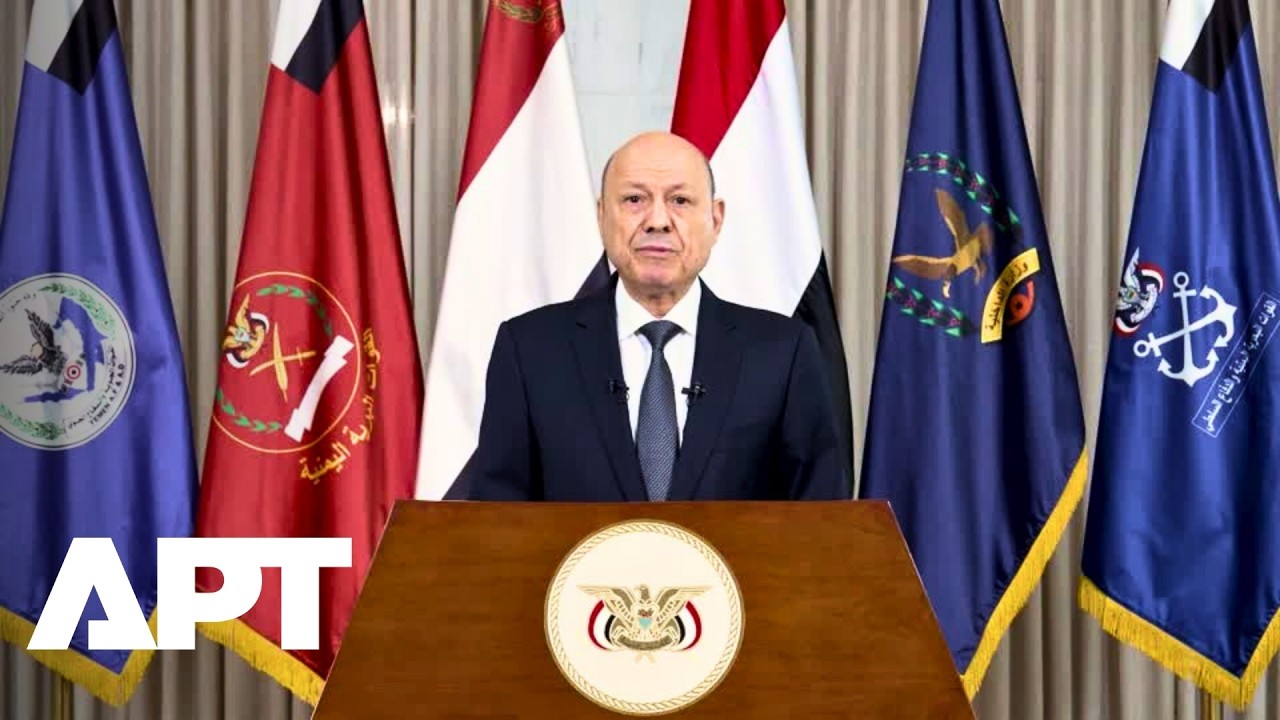
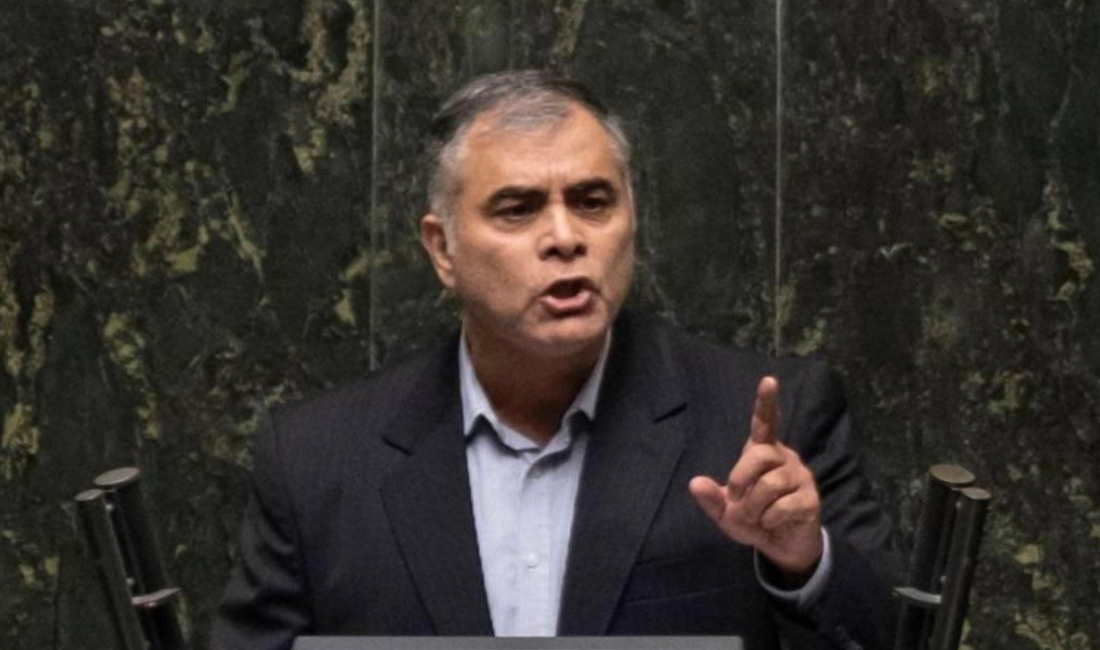
Iran’s Oil Minister Mohsen Paknejad has resigned, with President Masoud Pezeshkian accepting his resignation, Iranian state media reported Sunday. Hamid Bovard, the head of the National Iranian Oil Company, has been appointed acting oil minister.
Paknejad’s resignation comes at a highly sensitive moment for Iran, as the country’s oil industry faces growing pressure from U.S. sanctions, disruptions to oil shipments, financial restrictions and continuing tensions surrounding the Strait of Hormuz.
Paknejad had served as Iran’s oil minister since August 2024. His departure adds another layer of uncertainty to an oil sector that remains one of the most important sources of revenue for the Iranian government.
Iranian officials have described the resignation as being related to personal reasons. An adviser to President Pezeshkian said Paknejad had previously requested to step down and that the president accepted his request. This means there is currently no confirmed evidence that the minister resigned directly because of pressure from the United States.
The timing of the resignation, however, is significant. U.S. Treasury Secretary Scott Bessent has warned that Iran could soon reach a point where it has no oil remaining on the water for export. Bessent said Iran could face a historic situation in which its oil revenues are severely disrupted.
The warning comes as Washington continues to increase pressure on Tehran’s oil industry. The United States has been targeting Iran’s ability to sell crude oil, move petroleum through international shipping routes and receive payments from overseas buyers.
Iran relies heavily on oil revenue to support government spending and maintain its foreign-currency earnings. A sustained decline in oil exports could therefore create serious economic consequences for the country.
Iranian officials, however, have rejected the suggestion that the country’s oil revenues have completely disappeared.
Before his resignation, Paknejad said that payments for oil already sold were still arriving and that he expected the flow of revenue to continue. His comments directly contrasted with the increasingly severe warnings coming from Washington.
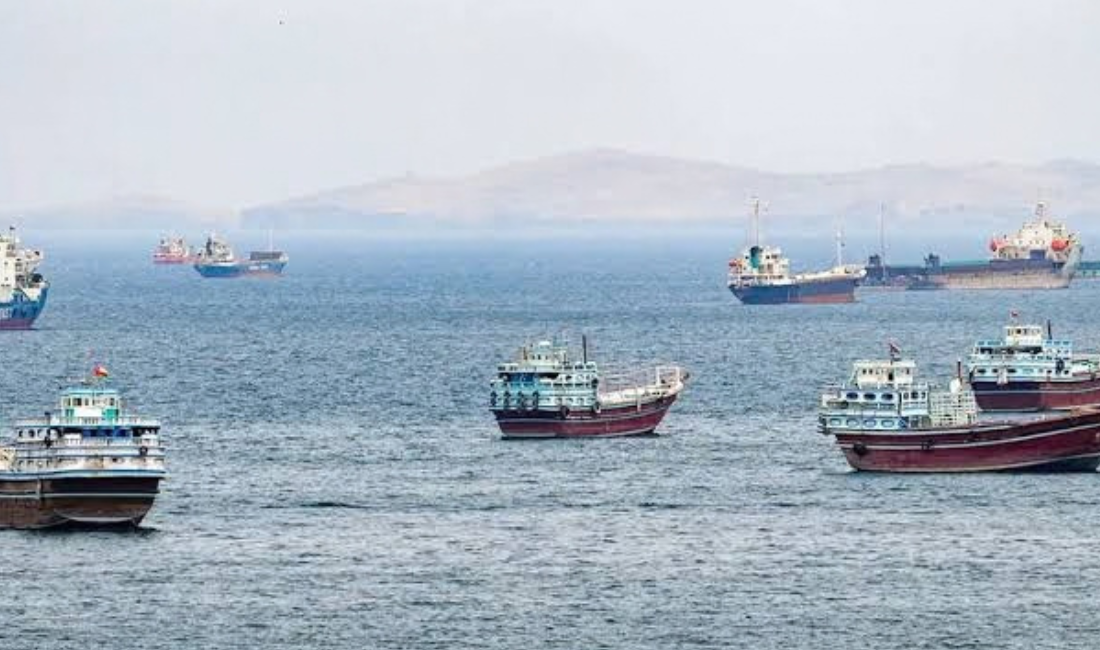
The dispute over Iran’s oil revenue has also become closely connected to the Strait of Hormuz, one of the world’s most strategically important energy routes.
A large share of global oil and petroleum products normally passes through the narrow waterway between Iran and Oman. Any prolonged disruption in the strait could affect energy supplies and prices around the world.
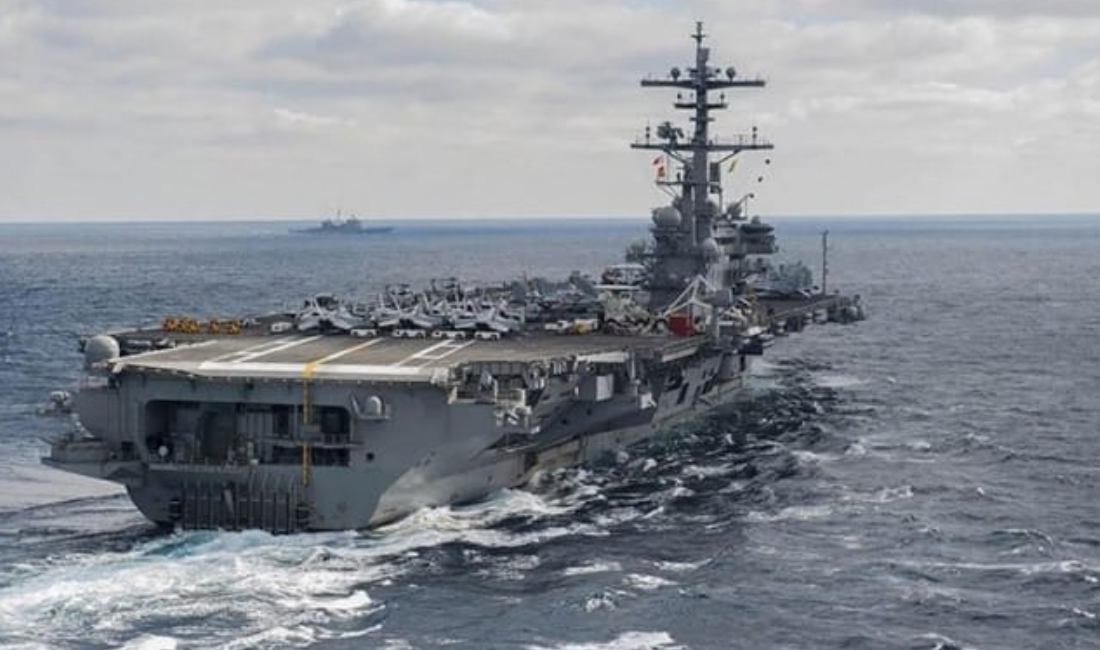
The United States has increased its military presence and security operations around the region while maintaining pressure on Iran. U.S. Defense Secretary Pete Hegseth has described the American position around the Strait of Hormuz as extremely strong.
Iran, meanwhile, has indicated that the waterway will not simply return to normal without political and security conditions being addressed.
Iranian parliamentary officials have linked the reopening of the strait to conditions surrounding the conflict and negotiations with the United States.
Despite the tensions, the Strait of Hormuz has not completely stopped carrying oil from the wider Gulf region.
Recent shipping and energy-market data indicate that oil movements from several Gulf producers have recovered, even as Iran’s own crude exports have suffered significant disruption.
This distinction is important. A decline in Iranian oil exports does not automatically mean that all oil shipments through the Strait of Hormuz have stopped. Saudi Arabia and other Gulf producers have continued moving oil through alternative routes and through the strait when conditions permit.
Iran’s specific problem is its ability to produce, transport, sell and receive payment for its own crude.
If those activities remain restricted for an extended period, the consequences for the Iranian economy could become increasingly serious.
Lower oil income could reduce the government’s access to foreign currency, make imports more expensive and place additional pressure on Iran’s already weak currency.
Iran has faced severe economic difficulties for years, partly because of international sanctions and limited access to global financial markets. A further decline in oil revenue could intensify those pressures.
The appointment of Hamid Bovard as acting oil minister therefore comes at a critical time.
Bovard, who previously led the National Iranian Oil Company, now faces the challenge of keeping Iran’s oil production and export infrastructure functioning while the country remains under intense international pressure.
His experience in the oil industry could be particularly important as Tehran attempts to maintain access to foreign markets and protect whatever export capacity remains available.
The resignation of Paknejad has also generated intense discussion online, with some commentators portraying it as evidence that the Iranian government is collapsing under pressure from U.S. President Donald Trump and senior American officials.
However, that conclusion goes beyond the available evidence. The resignation itself is confirmed, but there is no reliable evidence at this stage that it represents the collapse of Iran’s government or that Paknejad was forced out specifically by the Trump administration.
Instead, the confirmed facts point to a combination of political, economic and energy pressures facing Tehran. The most immediate challenge remains Iran’s oil revenue.
Washington is attempting to make it increasingly difficult for Tehran to sell crude internationally and receive the proceeds. Iran, on the other hand, is trying to keep its remaining export channels open and maintain access to foreign currency.
The outcome could have consequences far beyond Iran. If Iranian oil exports fall sharply and remain depressed, global energy markets could face additional uncertainty. At the same time, if the Strait of Hormuz remains open for oil shipments from other Gulf producers, the wider impact on global supplies could be more limited than the loss of Iranian exports alone might suggest.
For Tehran, however, the situation is considerably more serious. The country is facing pressure on its oil industry, currency, international trade and access to foreign financial resources at the same time. Paknejad’s resignation therefore comes at a particularly difficult moment for Iran.
Whether the leadership change becomes a temporary administrative adjustment or signals deeper problems inside Iran’s energy sector will depend largely on what happens next with oil production, exports, payments and the security situation around the Strait of Hormuz.
For now, the strongest fact-based conclusion is clear: Iran’s oil minister has resigned, the country’s oil sector is facing severe pressure, and Washington is seeking to further restrict Tehran’s ability to generate oil revenue.
But claims that the resignation proves the Iranian regime is collapsing remain unsubstantiated.The coming weeks will be critical in determining whether Iran can maintain its remaining oil exports or whether continued international pressure will push the country’s oil revenue system into an even deeper crisis.