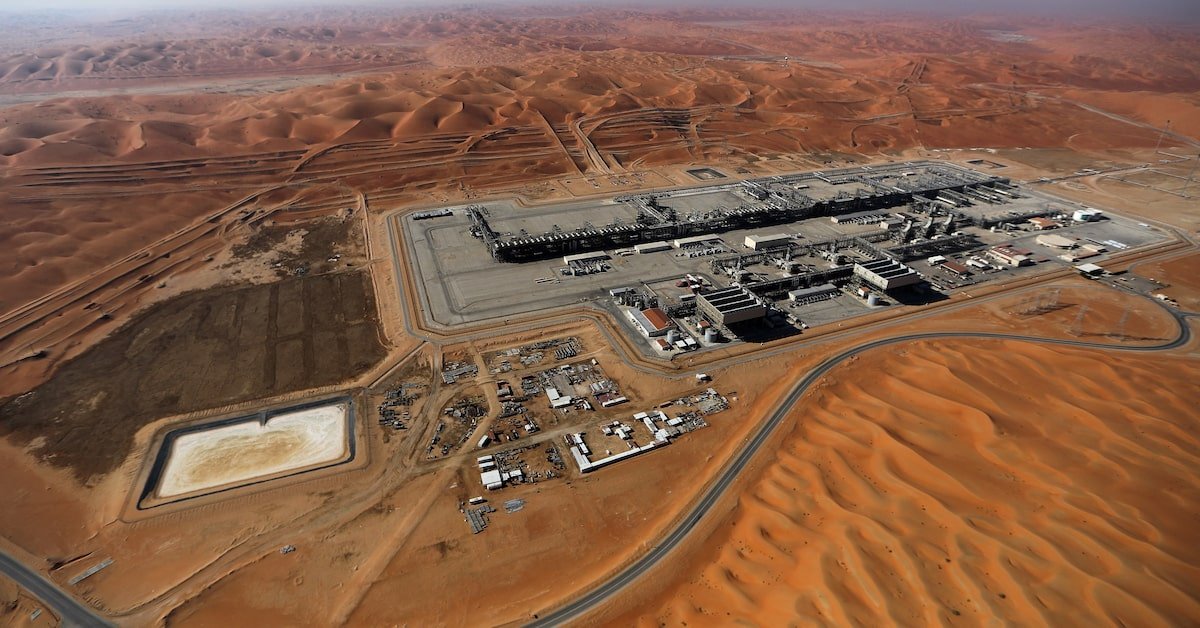
Saronic’s $3.2 Billion Texas Shipyard Project Expected to Create 10,000 Jobs
Texas breaks ground on Saronic’s $3.2 billion shipyard, expected to create 10,000 jobs and strengthen America’s shipbuilding industry.

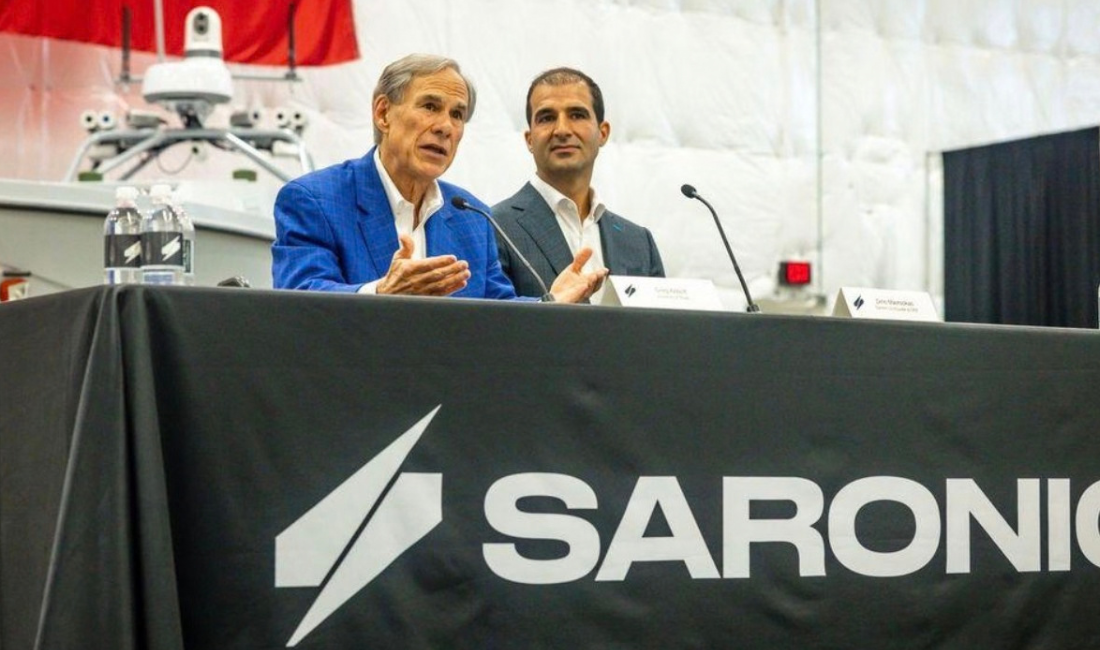
Saronic’s $3.2 Billion Texas Shipyard Project Expected to Create 10,000 Jobs
A major $3.2 billion shipbuilding project has officially begun in Brownsville, Texas, with Saronic Technologies breaking ground on its planned Port Alpha shipyard. The project is expected to strengthen the United States shipbuilding industry and could create up to 10,000 direct jobs over the next decade.
U.S. Vice President J.D. Vance attended the groundbreaking ceremony alongside Texas Governor Greg Abbott and Saronic executives. During the event, Vance highlighted investment in American workers, domestic manufacturing and U.S.-based businesses.
Vance said the project represents an effort to rebuild the American industrial base by investing in American workers and businesses. He emphasized that the project could provide economic opportunities for thousands of workers and their families.
The Port Alpha project is planned for the Port of Brownsville in South Texas, near the U.S.-Mexico border and the Gulf of Mexico. According to information released by Texas officials and the Port of Brownsville, Saronic plans to invest approximately $3.248 billion in the development.
The initial phase is expected to cover roughly 835 acres, while the site could eventually expand to approximately 4,400 acres. The shipyard is designed to support the construction of large commercial and defense vessels, including advanced autonomous maritime systems.
One of the most significant aspects of the project is its expected employment impact. Saronic and local authorities estimate that the shipyard could eventually support up to 10,000 direct jobs. Those positions could include skilled trades, engineering, advanced manufacturing, robotics, ship design, maintenance and other technical occupations.
However, the 10,000-job figure represents a future projection rather than jobs that have already been created. Employment is expected to increase gradually as construction progresses, production begins and the shipyard reaches higher levels of capacity.
Saronic has said it aims to begin operations at Port Alpha in 2028. The company plans to develop the facility in phases, allowing production capacity to expand over time.
The location of Brownsville is also strategically important. The Port of Brownsville is located on the Gulf Coast and has direct access to major transportation networks. The port’s connection to maritime shipping routes, highways and regional infrastructure provides advantages for a large-scale shipbuilding operation.
The port has also recently completed a major channel-deepening project. The improvements were designed to allow larger vessels to access the port and increase its ability to handle major industrial and maritime operations.
Port Alpha is not being planned solely as a traditional commercial shipyard. Saronic specializes in autonomous maritime systems and has been working to expand its presence in the U.S. defense and maritime technology sectors.
The company has already secured relationships with the U.S. Navy. In September, the Navy announced agreements involving Saronic and other companies as part of efforts to expand production of landing craft and unmanned surface vessels.
The Navy has also announced plans to procure 30 medium unmanned surface vessels from three companies, including Saronic. Under the announced plan, each company is expected to produce 10 vessels, with the first deliveries targeted before the end of fiscal year 2027.
These Navy agreements are significant for Saronic’s long-term production strategy, but they should not be interpreted as meaning that all of the vessels will immediately be produced at the new Brownsville shipyard. Port Alpha is still under construction and production will develop in stages.
The project is also receiving government and local support.
Texas has provided Saronic with an $80 million grant connected to the development. Cameron County has also approved a property-tax incentive package designed to support the project over a 20-year period.
Local officials are also focusing on workforce development. Brownsville’s economic development organizations have committed funding toward training programs intended to prepare local workers for future employment opportunities associated with the shipyard.
Training could become particularly important because many of the expected jobs will require specialized skills. Shipbuilding involves welding, engineering, electrical systems, mechanical work, computer-controlled manufacturing, quality control, logistics and safety operations.
The economic impact could extend beyond the workers directly employed by Saronic.
A large shipyard typically requires a broad network of suppliers and contractors. Steel producers, equipment manufacturers, transportation companies, engineering firms, maintenance providers and other businesses could benefit from increased industrial activity.
However, the number of indirect jobs that could eventually result from the project has not been firmly established. Such impacts will depend on the final scale of production, supplier agreements and the pace at which the shipyard expands.
Texas officials have projected substantial long-term economic benefits from the project. State estimates have placed the potential economic impact at more than $264 billion over the long term, while the projected impact on Cameron County has been estimated at more than $160 billion.
Those figures are economic projections rather than guaranteed revenue. Their eventual realization will depend on the successful construction and operation of the facility, production levels, employment growth and future business activity.
The project also comes as the United States seeks to expand its domestic shipbuilding capacity.
American officials have increasingly focused on strengthening the country’s industrial base, increasing domestic manufacturing and expanding the number of companies capable of producing vessels for commercial and defense purposes.
For Saronic, the Brownsville project provides an opportunity to build a large-scale manufacturing center focused on both traditional shipbuilding and autonomous maritime technology.
For Brownsville, the project could transform the region’s industrial landscape by attracting skilled workers, suppliers, contractors and new investment.
The project is therefore significant on several levels. It represents a multibillion-dollar private investment, a potential source of thousands of jobs, an expansion of U.S. shipbuilding capacity and a new center for advanced maritime manufacturing.
At the same time, the distinction between announced plans and completed results remains important. The $3.2 billion investment is a planned development, while the 10,000 jobs are projected future direct positions. The economic impact estimates are also forecasts rather than guaranteed outcomes.
The next major milestones will include continued construction, infrastructure development, workforce training, recruitment and the eventual start of ship production.
If the project proceeds according to Saronic’s current plans, Port Alpha is expected to begin operations in 2028 and gradually expand its production capabilities.
The Brownsville shipyard could ultimately become one of the largest new investments in the U.S. maritime manufacturing sector. Its long-term impact will depend on how quickly construction advances, how many workers are hired, how production develops and how successfully Saronic secures and fulfills future commercial and defense contracts.
For now, the groundbreaking marks the beginning of a major industrial project that Texas and local officials expect to bring billions of dollars in investment and potentially thousands of new employment opportunities to South Texas.