Trump Warns Iran as Yemen Strikes Raise Fears of Wider Middle East War
Trump warns Iran of an easy or hard path as Yemen strikes Houthis, raising fears of a wider regional conflict.

Trump Warns Iran as Yemen Strikes Raise Fears of Wider Middle East War
US President Donald Trump has signaled that his administration is close to making another major decision on Iran, warning Tehran that it will face either “the easy way or the hard way.” His latest remarks came as tensions across the Middle East continued to rise, with fighting involving Iran, the United States, Saudi Arabia and Yemen’s Iran-aligned Houthi movement creating new risks of a wider regional confrontation.
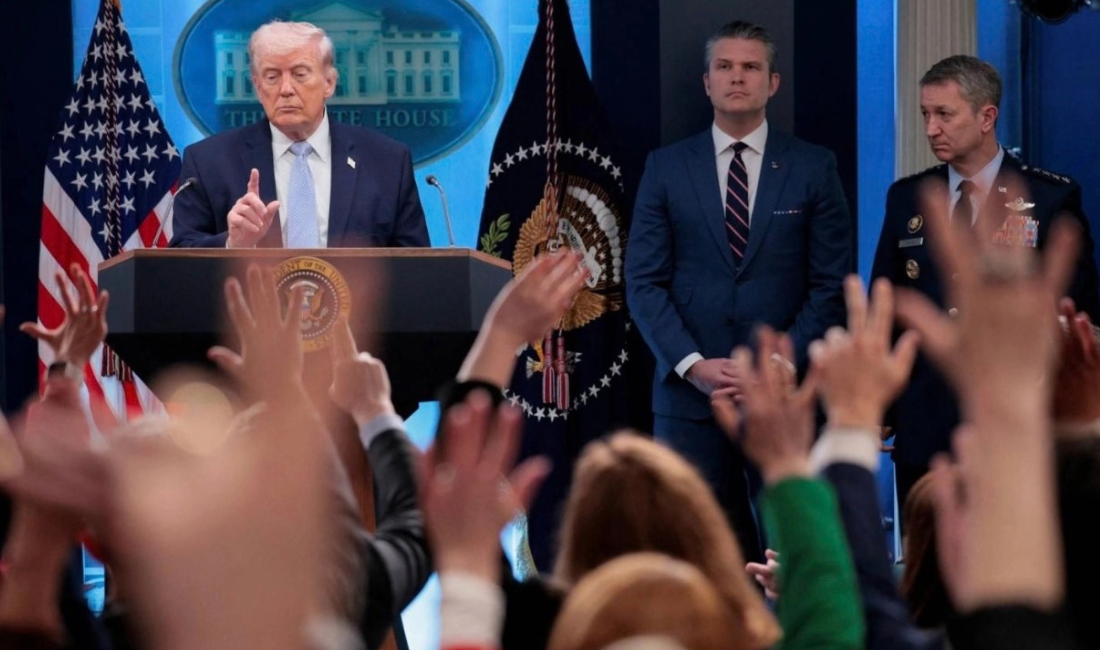
Speaking to reporters on Saturday, October 3, Trump said he had “a decision to make” regarding Iran. He described Iran as having been severely damaged and said the remaining choice was whether Tehran would cooperate through what he called the “easy way” or face the “hard way.” Trump did not publicly explain what specific action he was considering, leaving open the possibility of either a diplomatic move or renewed military pressure.
The statement is significant because Washington and Tehran have been involved in a prolonged and highly dangerous conflict. The United States has continued to pressure Iran over its nuclear program, military capabilities and regional activities, while Iran has demanded major changes to sanctions and other restrictions as part of any agreement. Recent diplomatic efforts have struggled to produce a lasting settlement.
Trump’s latest warning also comes after reports that senior US national security officials held a confidential meeting at Camp David to discuss both Iran and the growing conflict involving Saudi Arabia and the Houthis in Yemen. According to Axios, Vice President JD Vance chaired the meeting, which included senior members of Trump’s national security team. The discussions reportedly focused on the war with Iran and the Saudi-Houthi conflict, while diplomatic negotiations have remained uncertain.
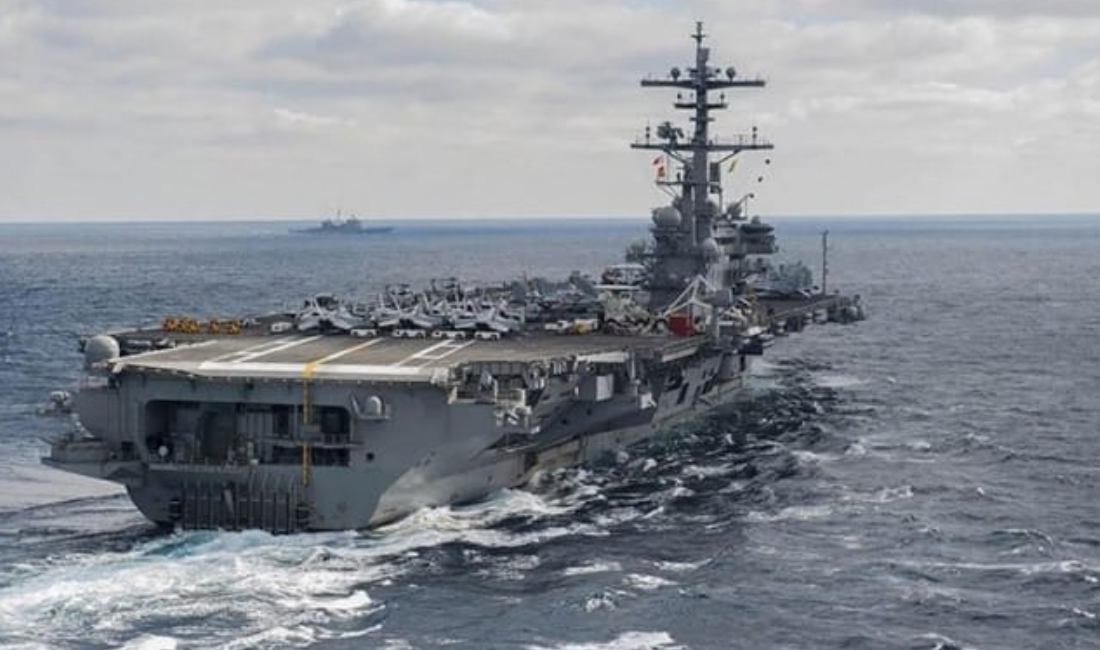
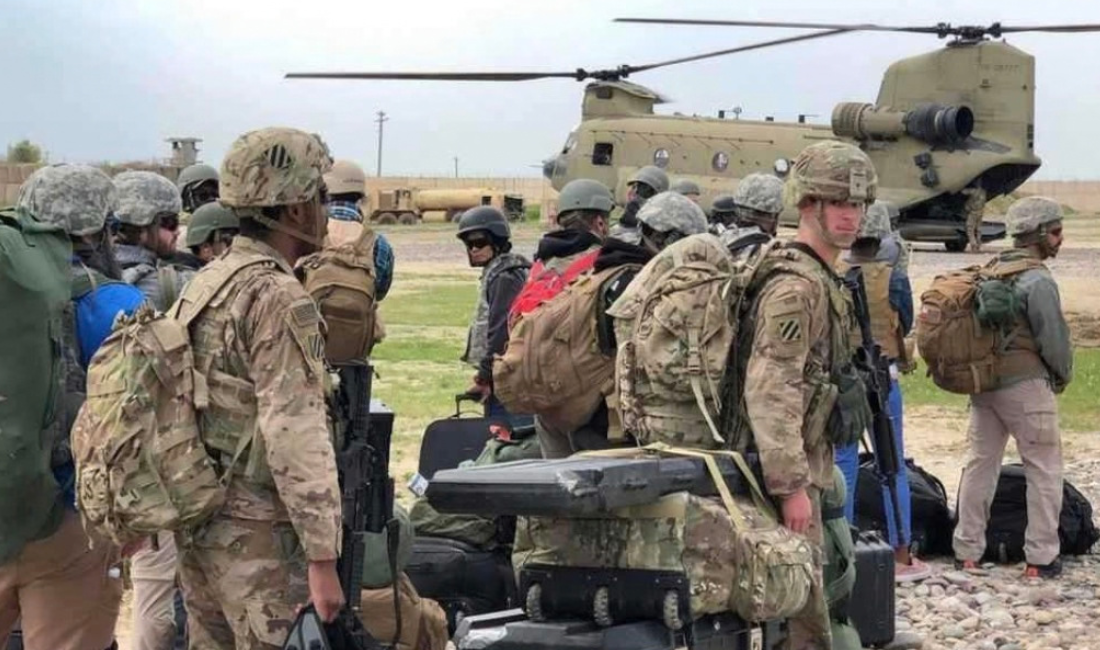
The timing of the Camp David meeting has attracted particular attention. Trump has previously suggested that military operations against Iran could resume if negotiations fail to produce an agreement acceptable to Washington. Earlier this week, reports indicated that additional American military forces were being moved toward the Middle East, increasing concern that the United States could prepare for another phase of military action.
Iran, meanwhile, has been preparing for the possibility of renewed US attacks. Reuters reported that Iranian officials and military commanders were considering stronger retaliation if Washington resumes large-scale strikes. The possible responses could extend beyond American military positions and could involve US allies or other targets in the region.
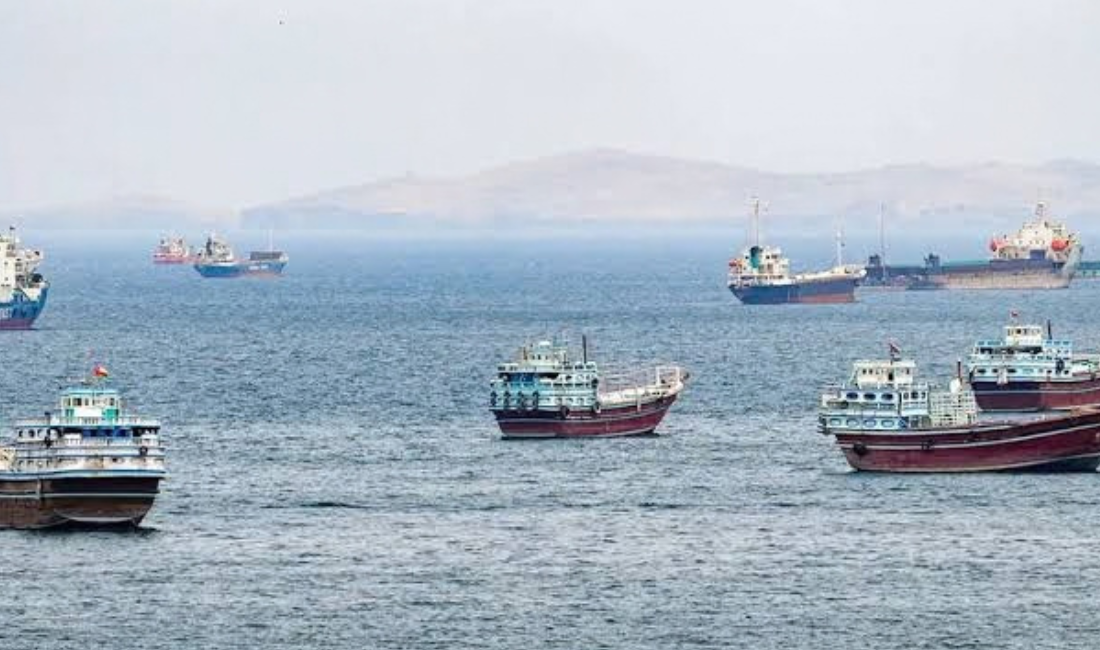
That creates a major concern for neighboring countries because the conflict is no longer limited to the immediate US-Iran confrontation. The Red Sea, Gulf shipping routes and the Bab al-Mandab Strait are all closely connected to the wider conflict. Any major escalation could threaten commercial shipping, energy supplies and global oil markets.
At the same time, fighting has intensified in Yemen. Yemen’s armed forces, which support the internationally recognized government, said they were carrying out strikes against Houthi targets in the capital, Sanaa, as well as the Houthi stronghold of Saada. A military spokesperson said the attacks were aimed at what he described as “vital targets.” The statement did not provide a detailed list of the targets or casualty figures.
Government-affiliated reports said warplanes targeted areas including Al-Nahdain and Jabal Attan in Sanaa, while residents reported hearing loud explosions. Houthi-controlled media also reported airstrikes in the capital. The Houthis, however, attributed the attacks to Saudi Arabia and said Saudi aircraft had carried out dozens of strikes.
This distinction is important for fact-checking. It is confirmed that Yemen’s internationally recognized government forces announced military strikes against Houthi positions. However, claims that Saudi Arabia itself carried out all of the reported strikes were not independently confirmed by Saudi authorities in the reports available at the time. Houthi media reported that Saudi aircraft were responsible, but that allegation should not be presented as independently established fact.
The latest violence is part of a much larger deterioration in Yemen. The conflict between the Houthis and forces aligned with the internationally recognized government had largely been contained after a 2022 truce. But fighting has returned amid the broader US-Iran conflict. According to Reuters, hostilities intensified after the Houthis announced a naval blockade targeting Saudi Arabia in July and began attacks against Saudi territory and shipping. Saudi Arabia subsequently increased its military involvement and continued supporting Yemen’s government forces.
The Houthis have also claimed attacks against Saudi targets. On Saturday, the group said it had struck an oil facility near Riyadh. An AFP journalist in the Saudi capital reported seeing flames and smoke coming from an oil facility outside the city, although the Saudi government and the Houthis had not immediately provided independent confirmation of the cause of the fire.
The exchange of attacks creates another serious threat to energy markets. Saudi Arabia is one of the world’s largest oil producers, while the Red Sea and nearby waterways are important routes for international trade. Any sustained attacks on oil facilities or commercial shipping could increase insurance costs, disrupt supply chains and push energy prices higher.
Oil markets have already reacted to the broader uncertainty surrounding the US-Iran conflict. Reuters reported that Brent crude recently moved above $100 a barrel as investors reacted to concerns over military escalation, shipping disruptions and the movement of additional US military forces into the region.
The Strait of Hormuz is another major concern. The waterway is one of the world’s most important energy routes, carrying a large share of global oil and gas shipments. Any serious disruption there could have consequences far beyond the Middle East, affecting fuel prices, transportation costs and inflation in countries around the world.
Trump has repeatedly said that his goal is to prevent Iran from obtaining a nuclear weapon and has argued that strong pressure is necessary to force Tehran toward an agreement. The White House has also emphasized the administration’s military strength and its willingness to use force if negotiations fail.
Iran has taken a different position, insisting that any diplomatic settlement must address sanctions and other economic restrictions. Recent reports have indicated that Tehran has used regional mediators in attempts to communicate with Washington, but major differences remain over the terms of any agreement.
Trump’s latest “easy way or hard way” warning therefore comes at a particularly sensitive moment. It does not by itself confirm that a new US attack on Iran has been ordered. No specific military operation was announced in his remarks. What it does show is that the White House is considering its next major step and that Trump wants Tehran to understand that Washington is prepared to increase pressure if negotiations fail.
The simultaneous escalation in Yemen makes the situation even more complicated. The Houthis are closely aligned with Iran, while Saudi Arabia supports Yemen’s internationally recognized government. As a result, military action in Yemen could become connected to the larger US-Iran confrontation.
If the United States resumes large-scale attacks against Iran, Tehran could respond directly or through regional allies and armed groups. Such a scenario could open several new fronts at the same time, including Yemen, the Red Sea, Iraq, the Gulf and potentially other parts of the Middle East.
For now, the key question is what Trump means by the “decision” he says is coming. His public comments provide no clear timetable and no detailed description of the action under consideration. Diplomatic efforts could still continue, but the military option remains a serious possibility.
The latest developments therefore point to a dangerous crossroads. Trump is demanding a choice from Iran, while Iran is preparing for possible renewed attacks. In Yemen, government forces are striking Houthi positions as the Houthis and Saudi Arabia trade accusations and attacks. Together, these developments show how quickly separate conflicts in the Middle East can become connected.
For the international community, the biggest concern is that a new escalation could move beyond military targets and affect civilians, commercial shipping, energy infrastructure and the global economy. Until Washington announces its next step and independent information emerges about the Yemen strikes and their casualties, several details remain uncertain. What is clear is that tensions are rising sharply, and Trump’s warning has added another layer of uncertainty to an already volatile Middle East crisis.