Trump Welcomes Final US Troop Withdrawal From Iraq After 23 Years of Military Involvement
The United States has completed its military withdrawal from Iraq, ending a major chapter of its post-2003 military involvement in the country.
.jpeg )
Trump Welcomes Final US Troop Withdrawal From Iraq After 23 Years of Military Involvement
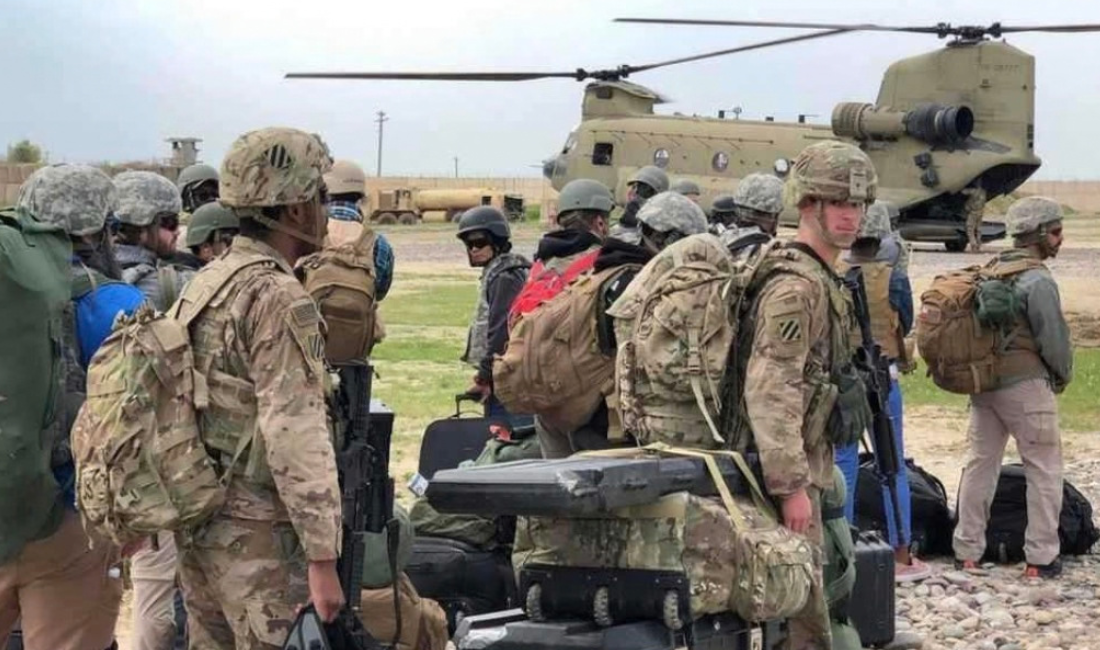
The United States has completed the withdrawal of its remaining military forces and equipment from Iraq, marking the formal end of the US-led coalition’s military mission against the Islamic State in the country.
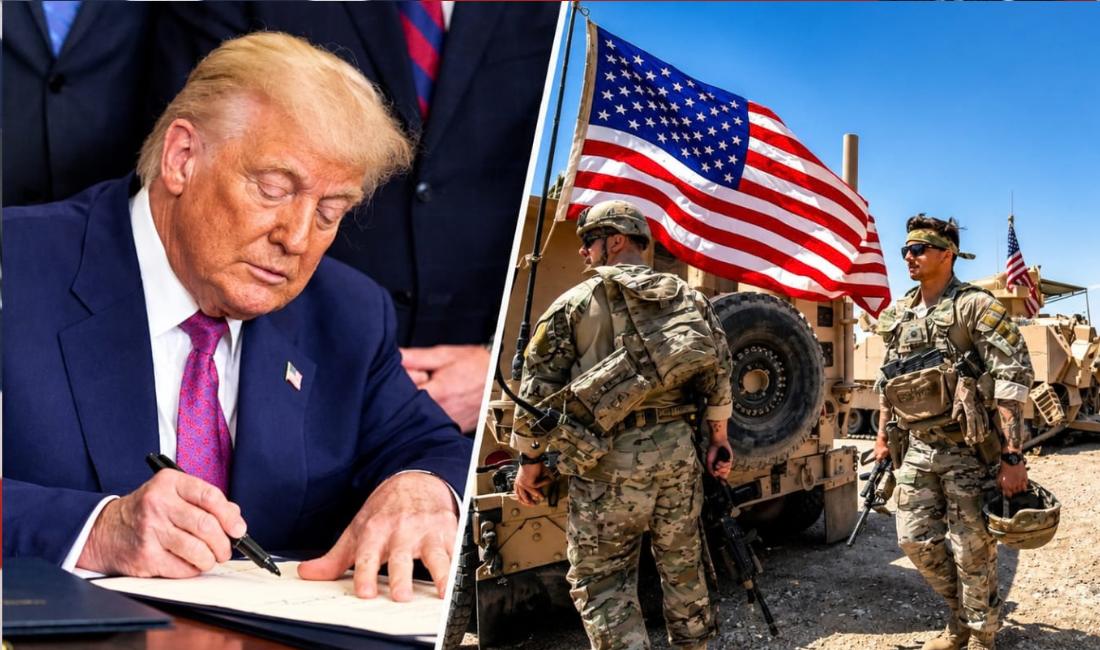
The final departure was completed on September 30, 2026, when US Central Command confirmed that American forces and equipment had left Erbil Air Base in northern Iraq. The move formally ended Operation Inherent Resolve in Iraq, the military campaign launched in 2014 after the rapid rise of the Islamic State group.
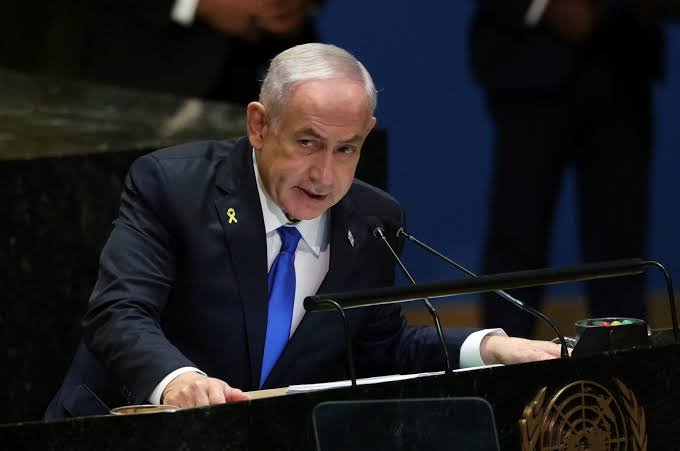
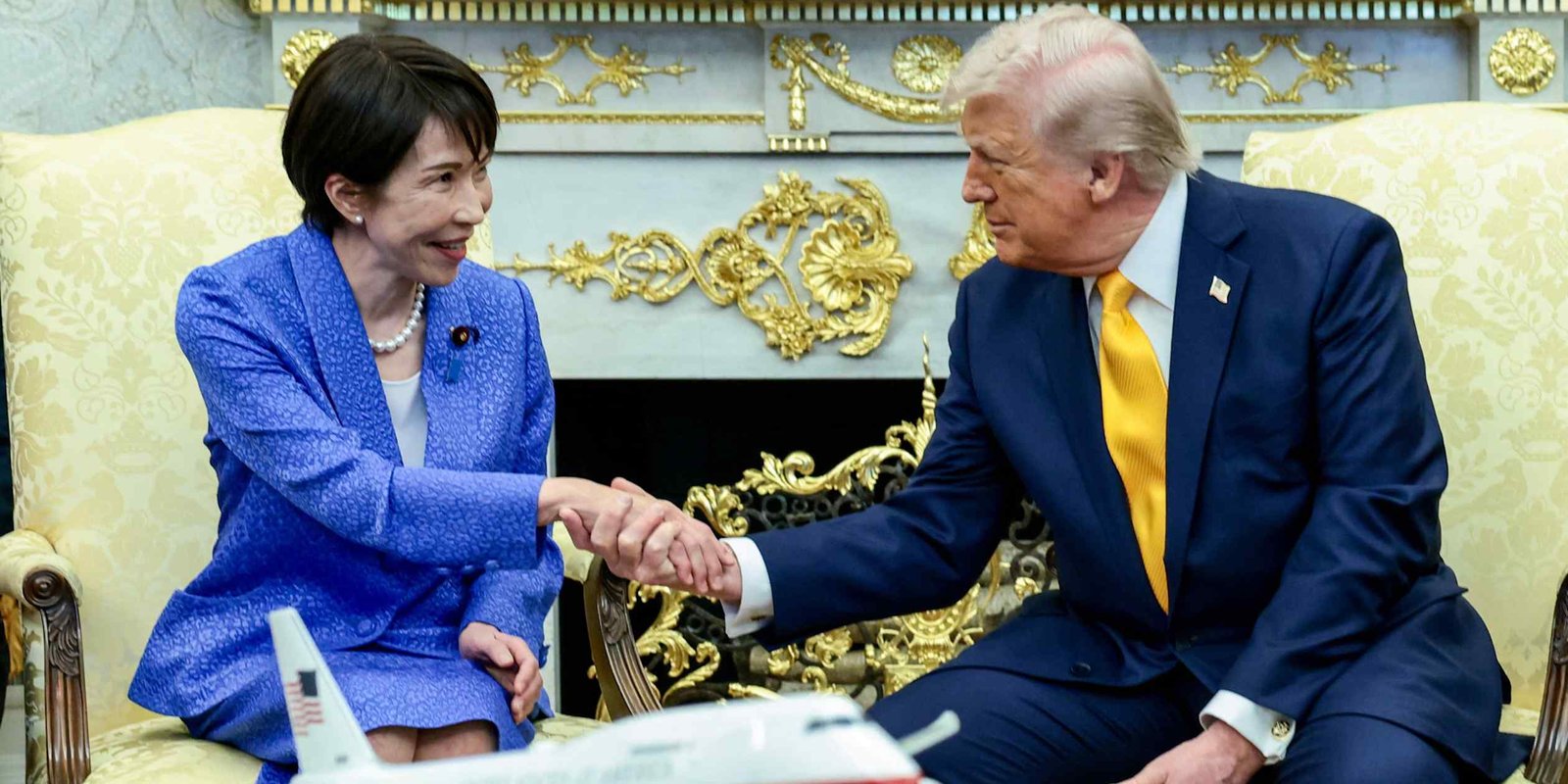
President Donald Trump welcomed the withdrawal and described the long American involvement in Iraq as a costly chapter that should now come to an end. Speaking at the White House, Trump questioned the decision to launch the 2003 invasion and said the United States was finally leaving Iraq.
The withdrawal marks a major change in the US military presence in the Middle East, but it does not mean that all security cooperation between Washington and Baghdad has ended. US officials have said that the relationship is moving from a coalition-based military mission toward a bilateral defense relationship involving areas such as training and intelligence support.
The end of the mission also represents the second complete US military withdrawal from Iraq. American forces first entered the country in 2003 after President George W. Bush’s administration launched an invasion that removed President Saddam Hussein from power. US forces remained in Iraq for years as the country faced an insurgency, sectarian violence and political instability.
At the height of the US occupation in 2007, about 170,000 American troops were deployed in Iraq. The first major US military withdrawal was completed in 2011 under President Barack Obama. That withdrawal, however, did not mark the permanent end of American military involvement in the country.
The situation changed dramatically in 2014 when the Islamic State captured large areas of Iraq and Syria. The group seized major cities and declared a self-proclaimed caliphate across territory in both countries. Its rapid expansion created a new security crisis and prompted the return of US forces to Iraq.
The United States subsequently formed and led an international coalition to support Iraqi forces in their fight against the Islamic State. American military assistance included air operations, training, intelligence support and logistical assistance.
Over the following years, Iraqi security forces, supported by the international coalition, recaptured territory previously controlled by the Islamic State. The group’s territorial control was eventually destroyed, although its remaining networks continued to pose a security threat.
The military mission that began in 2014 therefore continued long after the Islamic State lost most of its territory. The final withdrawal on September 30 brings that Iraq-based military mission to an end after approximately 12 years.
US Department of Defense spokesman Sean Parnell said the orderly departure of coalition forces and equipment from Erbil Air Base marked the successful conclusion of the military mission that defeated the Islamic State as an organized military threat in Iraq.
However, US officials have also made clear that the Islamic State has not simply disappeared. The group no longer controls the vast territory it once held, but its remnants remain a security concern in Iraq and Syria.
Following the American departure, the Iraqi Security Forces, Kurdish security forces and other Iraqi institutions will carry greater responsibility for preventing the Islamic State from rebuilding its capabilities.
The United States has said that targeted training and intelligence support for Iraqi partners can continue under the new bilateral defense relationship. This distinction is important because the end of the coalition military mission in Iraq does not necessarily mean the end of all American-Iraqi military cooperation.
The wider regional military mission also has not disappeared completely. US Central Command said the joint task force associated with the anti-Islamic State campaign remains operational, with its headquarters now based in Jordan. American forces will continue counter-Islamic State operations in Syria alongside regional and coalition partners.
The withdrawal was part of a previously agreed transition between Washington and Baghdad. In 2024, the two governments agreed to gradually end the coalition’s military mission inside Iraq and move toward a new phase of bilateral security cooperation.
Under that arrangement, coalition combat operations inside Iraq were scheduled to end first, followed by the completion of the broader transition by September 2026. The final departure from Erbil therefore represents the completion of a planned process rather than a sudden decision made within days.
The political significance of the withdrawal is also considerable. The Iraqi government has presented the departure as an important step toward national sovereignty and greater responsibility for the country’s security.
For many Iraqis, the departure closes a chapter that began with the 2003 invasion. The US military presence became one of the defining features of Iraq’s political and security environment for more than two decades, even though American troops were not continuously deployed throughout the entire period.
This is why the description of a 23-year US military presence requires some clarification. It is accurate to describe the period from the 2003 invasion to the 2026 withdrawal as roughly 23 years of American military involvement in Iraq. It would be inaccurate, however, to say that US troops remained continuously in Iraq for all 23 years. American forces left in 2011 and returned in 2014.
The human cost of the Iraq conflict has also been significant. President Trump referred to roughly 4,500 American deaths when discussing the conflict and its legacy. The precise figure depends on which phase and categories of the conflict are included, but thousands of American service members died during the Iraq war and subsequent military operations.
The withdrawal also comes amid continuing debate over the future of Iraq’s security environment. Some Iraqi officials and analysts have expressed confidence that national forces are capable of maintaining stability, while others have raised concerns about the possibility of security gaps following the departure of American forces.
One major issue is the presence of armed groups linked to Iran. Their political and military influence inside Iraq has long been a source of tension between Washington, Baghdad and regional actors. Reuters reported that some observers fear the US withdrawal could increase the influence of Iran-aligned armed groups or create opportunities for Islamic State remnants.
Another concern involves the Kurdish region in northern Iraq. Erbil has been an important center of American military activity and cooperation for years. The departure of American forces could therefore change the security calculations of Kurdish authorities as they work with Baghdad and other regional actors.
At the same time, Iraqi officials have emphasized that the departure does not mean the country will be isolated from international security cooperation. Iraq is expected to maintain military relationships with foreign partners and continue developing its own defense capabilities.
The next stage will therefore depend heavily on Iraq’s ability to maintain effective intelligence operations, protect its territory, prevent Islamic State remnants from rebuilding and manage relations with powerful armed groups operating inside the country.
For Washington, the withdrawal represents a shift in strategy rather than a complete disengagement from Iraq. The United States is reducing its direct military footprint while retaining avenues for security cooperation and regional counterterrorism operations.
For Baghdad, the change brings greater responsibility. The Iraqi government will now have to demonstrate that its security institutions can maintain stability without the same level of direct American military support that existed during the anti-Islamic State campaign.
Trump’s celebration of the withdrawal reflects his broader political position that the United States should avoid prolonged overseas military commitments. His comments about the Iraq war have also included criticism of the original decision to invade the country in 2003. Those political judgments are separate from the Pentagon’s operational announcement that the planned military mission in Iraq has now ended.
The most significant fact is that the final US-led coalition forces and equipment have left Erbil Air Base, formally ending the Iraq-based Operation Inherent Resolve mission. The wider US-Iraq security relationship, however, is continuing under a different framework.
The end of the Iraq mission therefore closes one of the longest chapters of American military involvement in the Middle East. From the 2003 invasion and years of occupation, through the 2011 withdrawal, the return of US forces after the rise of the Islamic State in 2014 and the eventual defeat of the group’s territorial control, Iraq has remained central to American military policy in the region.
As the final American troops leave, the responsibility for Iraq’s future security increasingly rests with Iraqi institutions. Whether the country can maintain stability, contain Islamic State remnants, manage armed groups and preserve national sovereignty will determine the long-term significance of this historic withdrawal.