Iran Crisis Deepens as U.S. Expands Military Presence Across the Middle East
U.S. Iran tensions intensify as Washington deploys thousands more troops and additional warships to the Middle East amid growing uncertainty.

Iran Crisis Deepens as U.S. Expands Military Presence Across the Middle East
Tensions between the United States and Iran are rising as Washington moves additional military forces toward the Middle East, while diplomatic efforts to ease the confrontation remain uncertain.
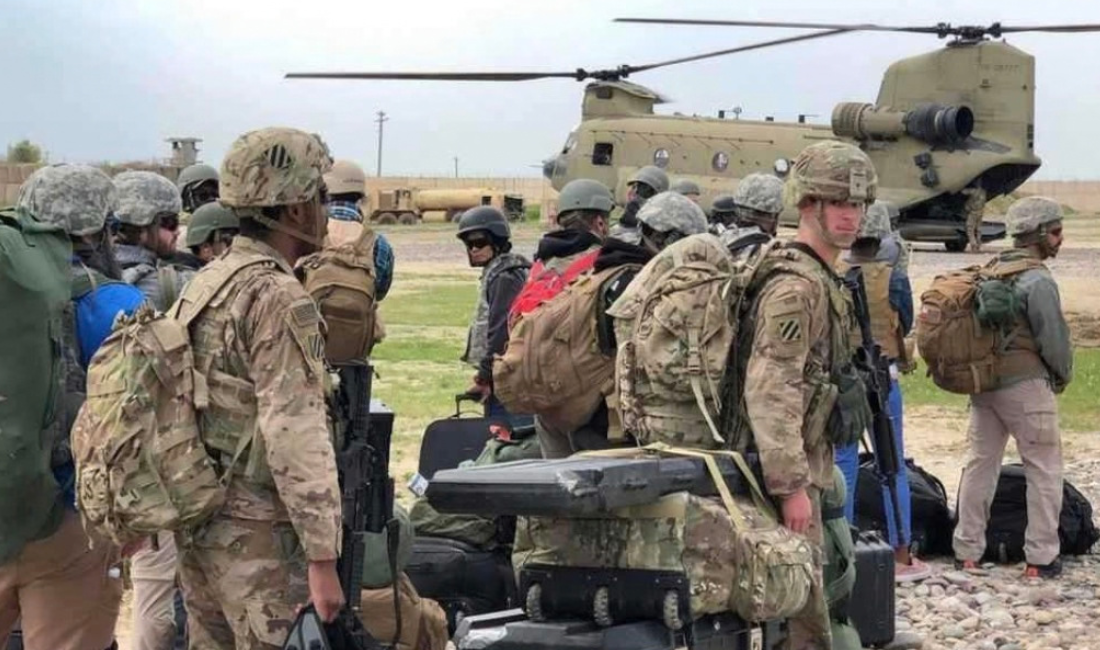
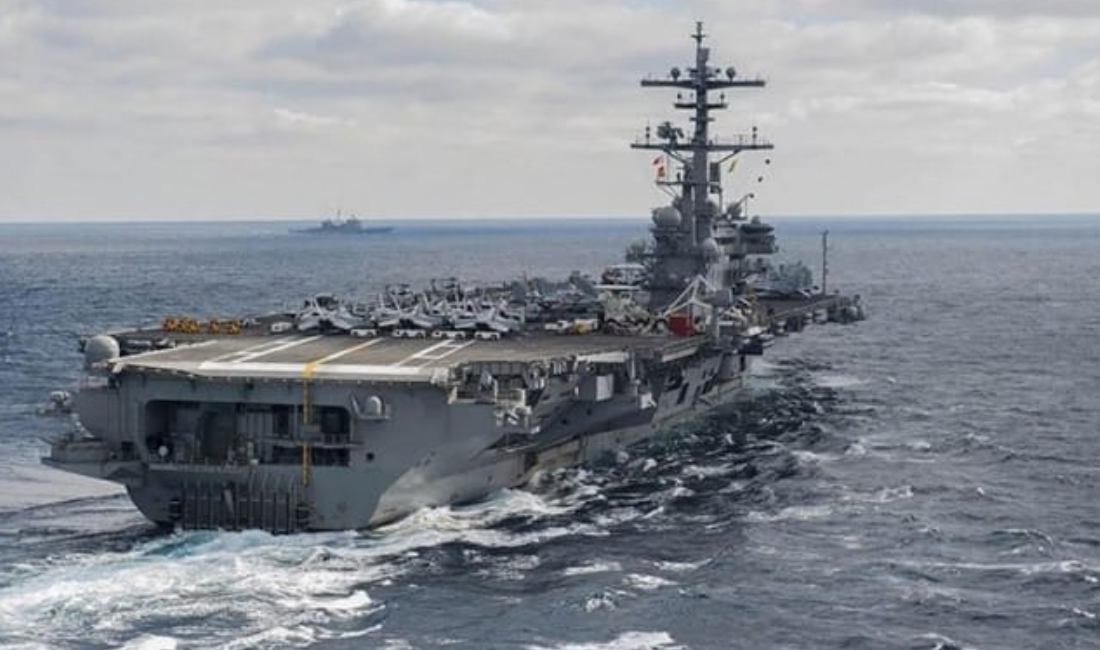
The U.S. military is sending roughly 9,000 additional sailors and Marines toward the region aboard a group of ships that includes the USS Theodore Roosevelt carrier strike group and the USS Makin Island amphibious readiness group. The deployment could bring the number of U.S. naval personnel in the region to more than 20,000 and increase the number of American aircraft carriers operating there to three.
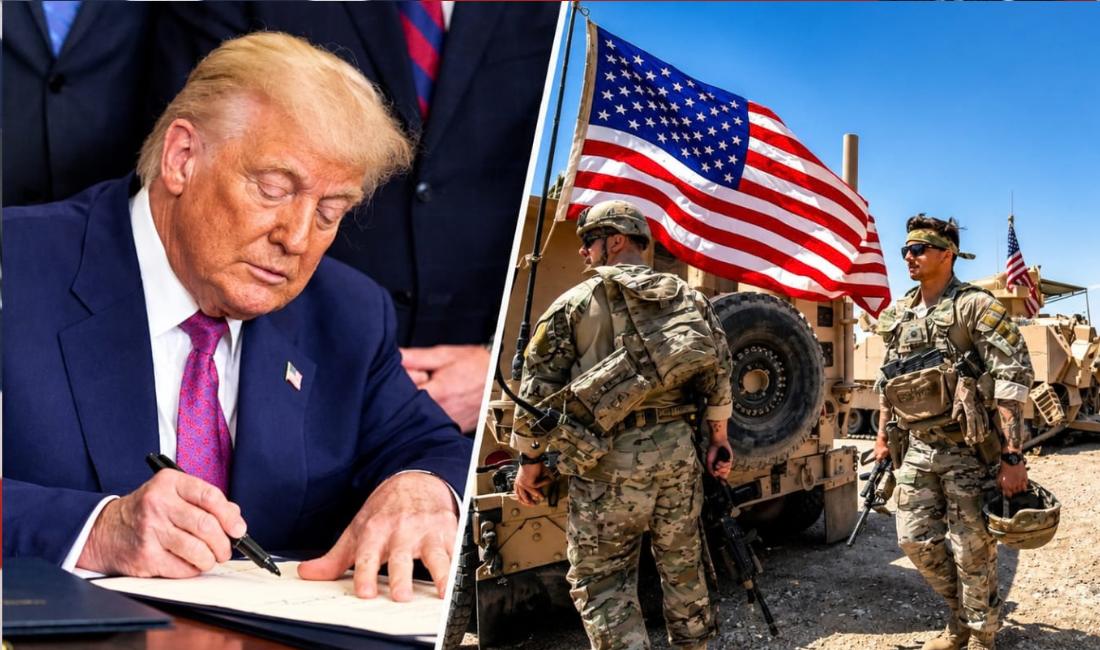
The move comes as President Donald Trump considers whether to resume large-scale military action against Iran. According to U.S. officials cited by the Associated Press, the ships carrying the additional personnel are already moving toward the Middle East. The deployment is expected to significantly strengthen the U.S. military presence in the region.
The reported buildup has also affected financial markets. Reuters reported that oil prices rose sharply on October 1 amid concerns about the expanding U.S. military presence and the potential impact of renewed conflict on energy supplies. Brent crude settled above $102 a barrel, while U.S. West Texas Intermediate crude finished at about $92.87.
At the same time, diplomatic efforts have not completely disappeared. Reuters reported on October 2 that Iranian President Masoud Pezeshkian expressed willingness for dialogue, while the two sides remain at odds over how to move forward. The uncertainty surrounding U.S.-Iran negotiations has added to concerns across Gulf financial and energy markets.
The Strait of Hormuz remains a major concern because it is a crucial route for global energy shipments. Any prolonged military confrontation involving the United States and Iran could affect shipping, oil supplies and energy prices well beyond the Middle East.
For now, the additional U.S. deployment does not by itself mean that a new major military operation has been ordered. However, the movement of thousands of personnel and another aircraft carrier demonstrates that Washington is preparing for a range of possible developments as tensions with Tehran continue.
The situation remains fluid, with military preparations occurring alongside diplomatic efforts. Further developments will depend on decisions by Washington and Tehran and on whether negotiations can reduce the risk of renewed military escalation.