Hormuz Won’t Reopen Until 7 Conditions Are Met: Ghalibaf
Iran says it will continue diplomatic talks with the United States while maintaining military preparedness. Ghalibaf says the Strait of Hormuz will remain closed until seven conditions are met.

Hormuz Won’t Reopen Until 7 Conditions Are Met: Ghalibaf
Iran has reiterated its firm position amid the ongoing conflict and diplomatic deadlock with the United States. Iranian Parliament Speaker and chief negotiator Mohammad Bagher Ghalibaf said Tehran would remain militarily prepared while continuing diplomatic negotiations at the same time. He made clear that even if progress is made toward an agreement with Washington, the Strait of Hormuz will not be reopened until Iran’s seven conditions are met.
According to Ghalibaf, the United States has recently presented several new proposals to Iran through intermediaries. However, he claimed that there is a difference between Washington’s public statements and the proposals conveyed through intermediaries. He said there is no longer room for delaying negotiations or imposing unilateral conditions.
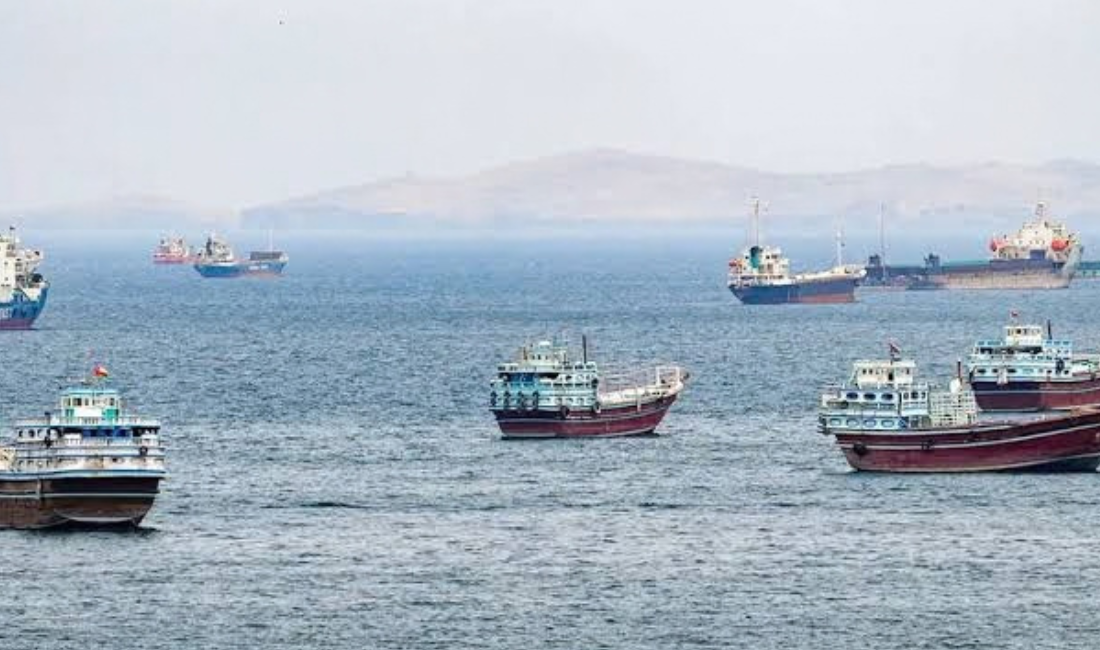
The Strait of Hormuz has become one of the most important issues in Iran’s position. Ghalibaf said the strait would remain closed until seven conditions linked to the interim understanding between the two countries in June are fulfilled. Earlier, Iran had presented the United States with a plan under which normal maritime traffic through the Strait of Hormuz could resume within seven days if the necessary conditions were met.
Iran’s conditions reportedly include an end to the war and military operations, the release of Iran’s frozen funds, the lifting of the U.S. naval blockade on Iranian ports and a reduction in economic pressure. Previous discussions have also included possible sanctions relief related to Iranian oil exports and other economic measures.
Ghalibaf also said Iran was not relying solely on negotiations and remained prepared militarily. He said Tehran would use diplomacy as a means of pursuing negotiations while maintaining its military capabilities at the same time. Iranian Foreign Minister Abbas Araghchi has also said that Tehran is interested in a diplomatic solution but remains prepared to take defensive measures in the event of renewed U.S. military action.
Meanwhile, communication between the United States and Iran continues through intermediaries. Regional mediators, including Qatar, are working to bring the positions of the two sides closer together. However, significant differences remain over the reopening of the Strait of Hormuz, economic pressure on Iran and the country’s nuclear program.
The Strait of Hormuz is one of the world’s most important energy shipping routes. A prolonged disruption to normal maritime traffic could affect international energy supplies and global trade. Diplomatic contacts are continuing, but no final agreement has yet been reached to fully restore normal traffic through the strait.