Four Astronauts Reach Space Station in Record-Speed Journey
Four astronauts reached the International Space Station in just under eight hours, setting a new U.S. speed record while beginning months of scientific research.

Four Astronauts Reach Space Station in Record-Speed Journey
Four astronauts arrived at the International Space Station on Thursday after completing an exceptionally fast journey from Earth, setting a new U.S. record for the quickest crewed trip from launch to docking with the orbiting laboratory.
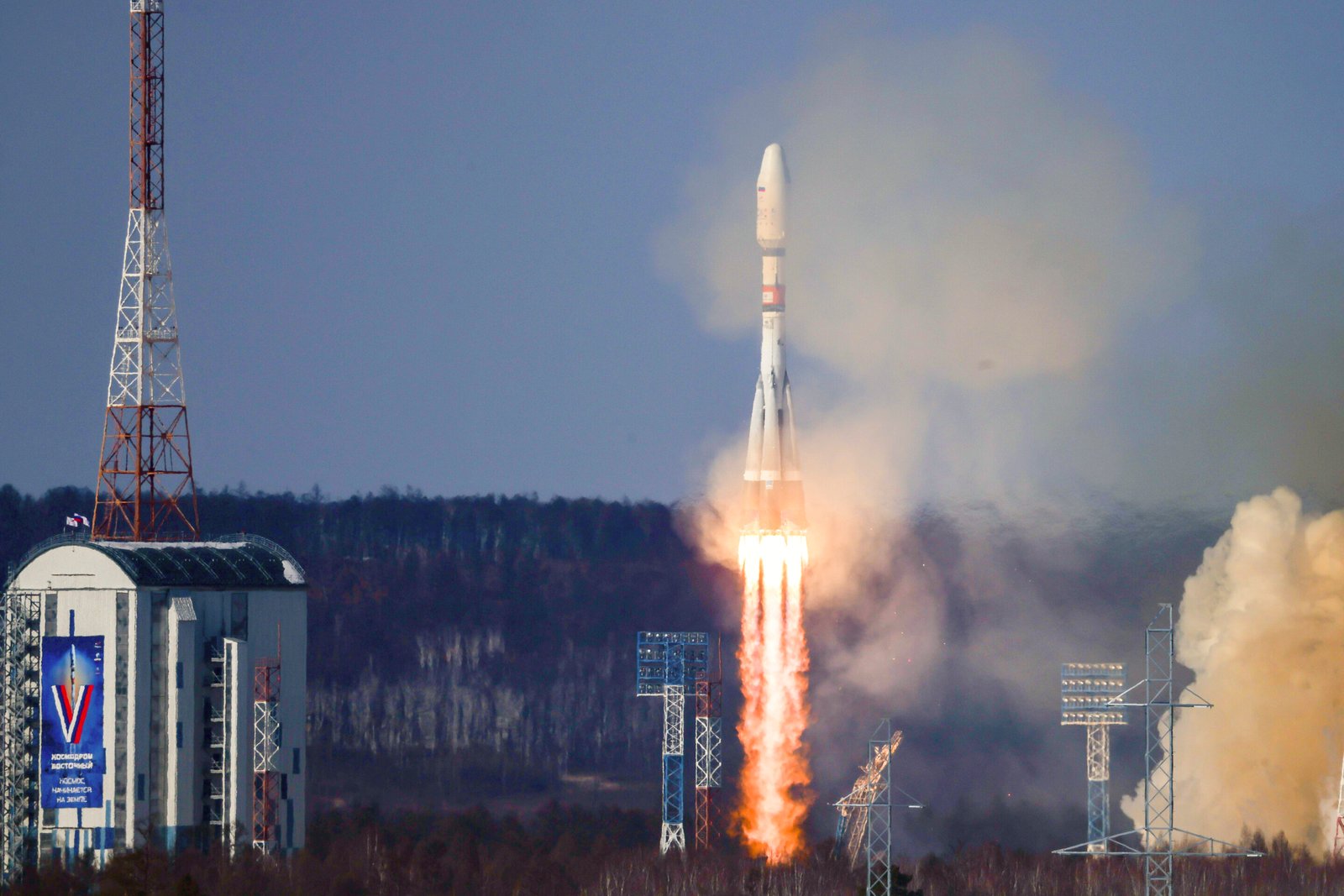
The astronauts launched from Florida’s Cape Canaveral Space Force Station aboard a crew spacecraft and reached the International Space Station in approximately seven hours and 55 minutes. The rapid journey marked an important milestone in the United States’ ongoing human-spaceflight program.
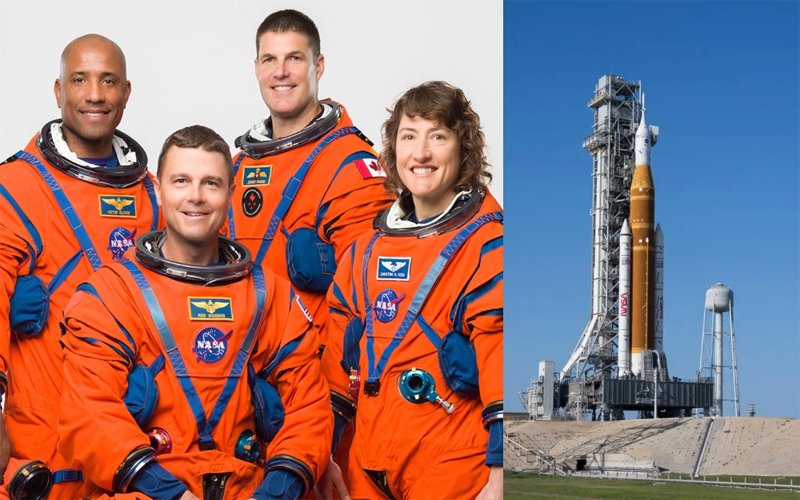
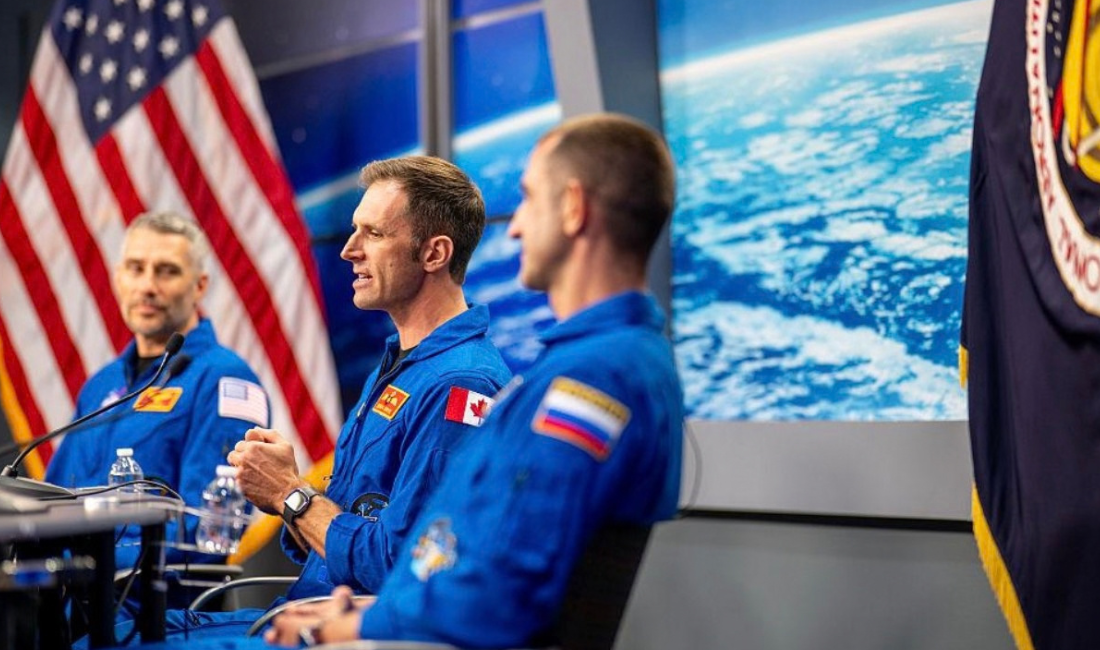
The newly arrived crew includes American astronauts Jessica Watkins and Luke Delaney, Canadian astronaut Joshua Kutryk and Russian cosmonaut Sergei Teteryatnikov. They are expected to spend roughly six months aboard the International Space Station, where they will conduct scientific experiments and support station operations.
For Joshua Kutryk, the mission carries an especially personal significance. While he is expected to remain in orbit for much of the next several months, his wife, Heather, is due to give birth to their third child later this year.
Kutryk will therefore experience one of the most important moments of his family’s life while hundreds of kilometres above Earth. Space agencies involved in the mission have said arrangements are being made to help him remain connected with his family during the mission.
The rapid journey was made possible by the spacecraft’s trajectory and the orbital position of the International Space Station at the time of launch. The spacecraft was able to follow an accelerated flight path toward the station rather than taking a longer route that is sometimes required during crewed missions.
After liftoff, the spacecraft entered orbit and performed a series of carefully controlled manoeuvres to align itself with the International Space Station. Ground controllers continuously monitored the spacecraft as it approached the station.
The spacecraft eventually completed its docking with the International Space Station approximately seven hours and 55 minutes after launch.
The astronauts then carried out the necessary safety procedures before entering the station and joining the crew already living and working in orbit.
The mission is part of the continuing international effort to maintain a permanent human presence in low-Earth orbit. The International Space Station has served as a major research laboratory where astronauts from different countries conduct experiments that cannot easily be performed on Earth.
During their stay, the new crew members are expected to participate in a wide range of scientific investigations.
Some of the research will examine how the human body changes during extended exposure to microgravity. Scientists are particularly interested in changes involving the cardiovascular system, muscles, bones and other biological processes.
Research involving human cells and tissues will also be conducted. Scientists hope that experiments performed in the unique environment of space can contribute to a better understanding of diseases and eventually support the development of new treatments and medicines.
The astronauts will also conduct experiments involving plants. Growing food in space is considered an important part of planning for future long-duration missions, particularly missions that could eventually take humans farther from Earth.
Understanding how plants grow in microgravity and how food production can be maintained with limited resources could become increasingly important as human spaceflight expands.
The mission is also notable because several members of the crew are making their first trip into space.
For Kutryk, the mission represents his first journey beyond Earth. A colonel in the Royal Canadian Air Force, he has extensive experience as a military pilot and test pilot.
His selection for the mission marks an important stage in Canada’s human-spaceflight program.
For Luke Delaney, the mission is also a first journey into space. Before joining the astronaut corps, he worked as a naval aviator and in flight-testing activities.
Jessica Watkins, meanwhile, is returning to space after previously spending time aboard the International Space Station. Her experience makes her one of the more experienced members of the newly arrived crew.
The mission also carries significance because of its designation as the thirteenth long-duration crewed mission under the current commercial crew program. The number has prompted references to the historic Apollo 13 mission, which faced a major crisis during its journey to the Moon but ultimately returned its astronauts safely to Earth.
The latest mission was not without delays.
The launch had previously been postponed because of a problem involving the spacecraft’s fuel system. Engineers conducted additional inspections and corrective work before the vehicle was cleared for another launch attempt.
Weather conditions were also monitored closely on launch day. After officials determined that conditions were acceptable, the launch proceeded.
Following liftoff, the rocket’s first stage separated from the spacecraft carrying the astronauts. The booster subsequently followed its planned return trajectory, while the crew spacecraft continued toward orbit.
The ability to reuse major components of launch vehicles has become an important feature of modern commercial spaceflight. Reusable systems can allow spacecraft and rockets to support multiple missions rather than being discarded after a single launch.
The International Space Station orbits roughly 400 kilometres above Earth. Astronauts aboard the station travel around the planet many times each day while conducting scientific research, maintaining equipment and preparing for future space missions.
For Kutryk, however, the mission is about more than scientific research.
While he works in orbit, his family will be preparing to welcome a new child on Earth. The timing means he will be separated from his wife during the birth of their third baby.
Space agencies have previously supported astronauts who experienced major family events while in orbit. Communication systems aboard the station allow astronauts to maintain regular contact with their families and mission-control teams on Earth.
Kutryk’s situation highlights one of the unusual personal challenges faced by astronauts. Space missions require crews to spend months away from their families, sometimes during important events that cannot be postponed.
Despite the personal challenges, the astronauts are expected to focus on their scientific and operational responsibilities throughout the mission.
The latest arrival also demonstrates how rapidly crewed spacecraft can now travel to the International Space Station when orbital conditions allow a direct and accelerated approach.
The approximately eight-hour journey represents a significant achievement for the U.S. human-spaceflight program and demonstrates the capabilities of modern crew transportation systems.
For the four astronauts, the arrival marks the beginning of months of research, maintenance and life in orbit.
For Canada’s Joshua Kutryk, it also marks the beginning of a deeply personal chapter: celebrating the arrival of his third child from hundreds of kilometres above Earth.
The crew is expected to remain aboard the International Space Station for approximately six months before returning to Earth as part of the station’s continuing crew rotation program.