

Rising Living Costs and Iran War Anger Deal Major Midterm Blow to Trump Exactly
Rising costs and opposition to the Iran war shaped voter choices, helping Democrats secure control of both chambers of Congress.

INTERNATIONAL BROADCAST JOURNALIST · CSB News USA
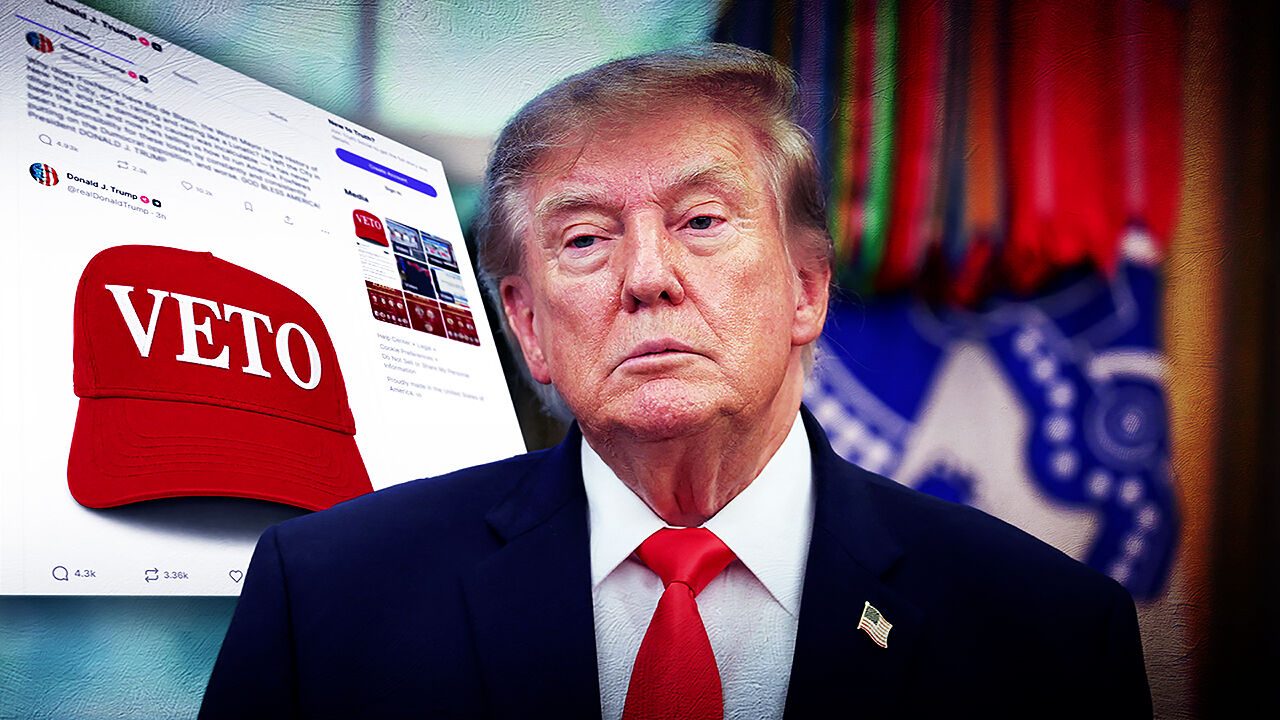
American voters sent a strong political message in the November 3, 2026, midterm elections, with dissatisfaction over the rising cost of living and opposition to the war with Iran emerging as major factors behind the results. The outcome delivered a significant setback to President Donald Trump and his Republican Party, as Democrats won control of both the House of Representatives and the Senate.
The election results reflected growing frustration among Americans over household expenses, economic uncertainty, fuel prices and the administration’s foreign policy decisions. While voters considered several issues when casting their ballots, economic pressure stood out as the most important concern for many households.
According to a Reuters/Ipsos poll conducted October 29 through November 2 among 1,765 U.S. adults, 48% of registered voters identified the cost of living as the single most important issue influencing their voting decisions. Democratic norms ranked second at 26%, followed by immigration at 13%.
The findings highlighted how financial concerns had become central to the political debate. Many Americans have struggled with higher grocery bills, housing costs, healthcare expenses, transportation charges and energy prices. For households already facing financial pressure, even relatively small increases in everyday expenses have made it harder to manage monthly budgets.
A separate Reuters report published November 4 examined voter exit polls conducted by SSRS for a consortium of major U.S. media organizations, including the Associated Press and television networks. The findings showed that nearly nine in ten voters considered the cost of living a crucial or major factor in their decision.
The exit polls also indicated widespread dissatisfaction with the direction of the country. Approximately three-quarters of voters said they were angry or dissatisfied with the country’s direction, while 62% disapproved of Trump’s job performance.
Economic dissatisfaction was closely connected to the administration’s trade and foreign policies. Trump had promised to address inflation and reduce the financial pressure on American families. However, many voters remained concerned about rising prices and questioned whether the administration’s policies were delivering the improvements they expected.
The war involving the United States, Israel and Iran also became an important issue during the election campaign. The conflict began in February 2026 and intensified concerns about regional security, international energy supplies and the potential economic consequences of prolonged military involvement.
The impact of the conflict extended beyond foreign policy discussions. Higher global energy prices increased pressure on American consumers, particularly motorists and families dependent on personal vehicles. Rising fuel costs also affected transportation and business expenses, creating additional concerns about the prices of goods and services.
A Reuters/Ipsos survey conducted before Election Day found that 55% of respondents believed the war with Iran was not worth its cost. Only 25% said the military action had been worth the expense, while 18% were uncertain.
These figures demonstrated that opposition to the conflict extended beyond Democratic voters and had become a broader national concern.
Another important finding emerged from a Reuters/Ipsos poll published November 10, after the election. The survey found that 71% of Americans wanted the newly elected Democratic-majority Congress to pass legislation ending the war with Iran. Support included 93% of Democrats and 51% of Republicans.
The same survey found that 62% of respondents supported efforts to repeal import tariffs imposed by the Trump administration. Nine in ten Americans also said addressing the cost of living should be a priority for Congress during its first 100 days.
These results suggest that voters are expecting concrete action from political leaders rather than campaign promises alone.
The Democratic victory was particularly significant because the party secured control of both chambers of Congress. According to the Associated Press, the organization called the Senate for Democrats at 11:36 p.m. Eastern time on November 3 and the House of Representatives at 1:24 a.m. on November 4.
Democrats also achieved victories in several traditionally competitive and Republican-leaning states, including Texas, South Carolina, Iowa and Kansas. Their gains demonstrated the extent of the political challenge facing Republicans during the final two years of Trump’s presidential term.
The change in congressional control will have important consequences for the administration. Democrats are expected to exercise greater oversight of federal policies, challenge proposed legislation and scrutinize decisions involving military spending, tariffs, immigration and economic programs.
However, the election results do not automatically mean that every Democratic policy proposal will become law. The president retains executive powers, and disagreements between the White House and Congress could create legislative disputes.
For Republicans, the results raise difficult questions about how to reconnect with voters who are increasingly concerned about household finances and the country’s international commitments. Party strategists will likely face pressure to develop policies that address affordability, employment, housing and energy costs.
For Democrats, the challenge will be turning electoral success into measurable improvements. Voters who supported Democratic candidates because of economic dissatisfaction will expect progress on the issues that influenced their decisions.
The political implications could also extend beyond the current congressional term. Both parties are already considering how economic conditions, foreign policy and changing voter preferences may shape the 2028 presidential election.
Ultimately, the 2026 midterm elections delivered a clear warning to Washington. American voters want leaders to focus on the financial pressures affecting ordinary families while carefully considering the economic and human costs of international military conflicts.
The results suggest that the cost of living and the Iran war were not simply campaign talking points. They became central issues in a national political contest that reshaped control of Congress and created a new challenge for the Trump administration.
Related News
Trump Urges Congress to Approve Billions for Modern Air Traffic Control System

New York Police Fatally Shoot Van Driver After Suspected Kidnapping Report on Brooklyn Highway

Urgent Warning in the US, More Than 720,000 BMW Vehicles Recalled Over Fire Risk

Comments 0
Log in or create a free account to join the conversation. You can comment anonymously.
No comments yet. Be the first.