

US Labor Department Warns More Companies Face H-1B and Green Card Investigations
The Trump administration is expanding its investigation into alleged H-1B visa and employment-based green card abuses. Labor Department Inspector General Anthony D’Esposito has warned that more companies and potentially educational institutions could face action. Eight major technology companies have already been suspended from the PERM green card process.

Reporter · CSB News USA
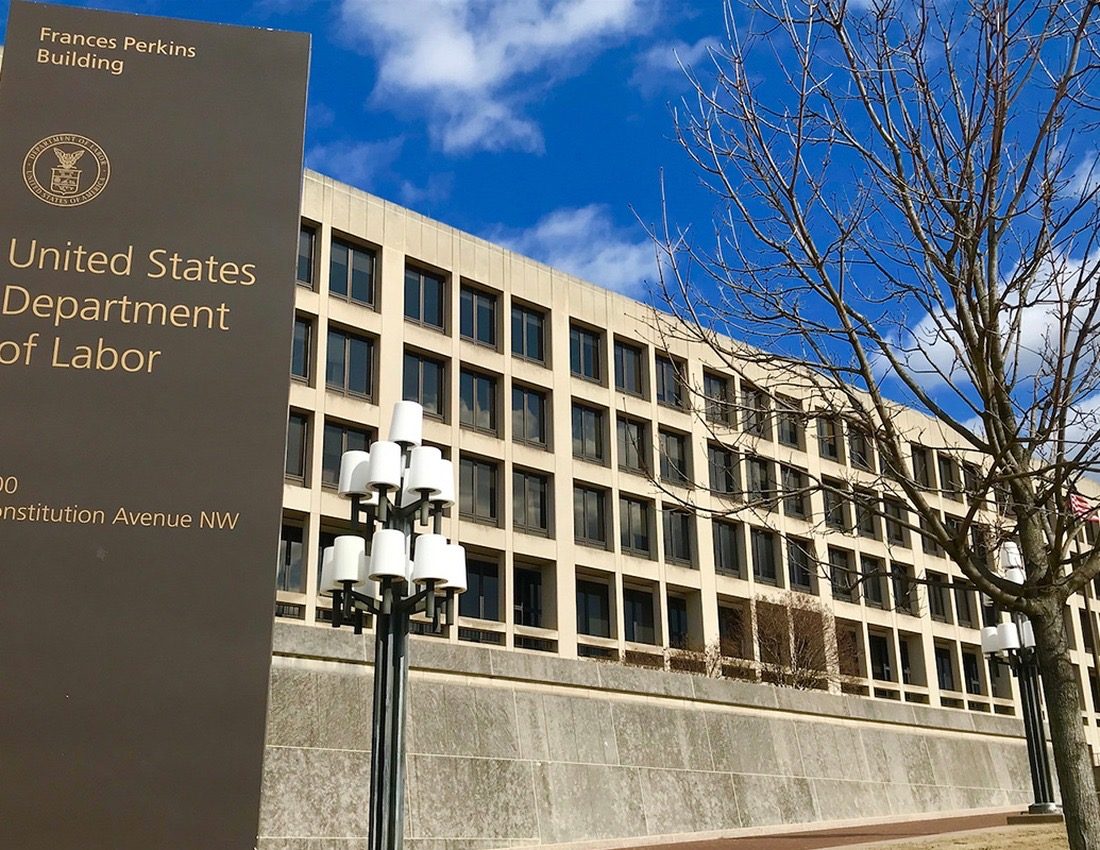
The United States is preparing to take further action against companies and educational institutions suspected of misusing employment-based immigration programs, as the Trump administration intensifies its investigation into H-1B visas and employment-based green card sponsorship.
Anthony D’Esposito, Inspector General of the U.S. Department of Labor, has warned that additional companies and educational institutions could face suspension as federal investigators expand their examination of alleged immigration fraud and violations of employment rules.
Speaking in a recent interview with Fox News, D’Esposito emphasized that temporary employment visas should not become a permanent business strategy for American companies. He said employers should use the H-1B visa program only when they cannot find an available American worker willing and qualified to perform the job.
“The visa system and these visas that are in place are all temporary. They are not a method of doing business,” D’Esposito said.
He further stressed that American workers should receive priority when employers are filling available positions. According to him, the government intends to investigate companies that may be using immigration programs in ways that undermine American workers or violate federal employment regulations.
The warning comes after the administration took significant action against eight major technology and outsourcing companies in October. Microsoft, Adobe, Cognizant, Infosys, Tata Consultancy Services, Wipro, HCL Technologies and Capgemini were suspended from the Permanent Labor Certification, commonly known as PERM, process.
The announcement was made on October 8 as part of a broader federal effort to investigate suspected misuse of employment-based immigration programs.
U.S. Labor Secretary Keith Sonderling announced that the Department of Labor would stop accepting new PERM applications from the affected companies and would also stop processing their pending applications.
The decision marked a major development for foreign professionals seeking permanent residency through employer sponsorship. PERM is generally the first major step in the employment-based green card process for many employer-sponsored workers.
Vice President JD Vance also publicly criticized the practices of some large technology companies, particularly Microsoft. He alleged that the company had laid off thousands of American employees while continuing to rely on foreign workers through employment-based visa programs.
According to figures cited by Vance during the October announcement, Microsoft laid off approximately 6,000 American workers in 2025 while benefiting from thousands of H-1B visa approvals and green card applications.
The administration questioned whether companies were adequately considering qualified American workers before seeking permission to hire foreign employees.
Microsoft, however, disputed the suggestion that its foreign workers were being treated differently or paid less than comparable American employees. The company has maintained that its H-1B employees receive compensation comparable to other employees performing similar work.
The controversy has also drawn attention to major Indian information technology companies operating in the United States. Cognizant, Infosys, Tata Consultancy Services, Wipro, HCL Technologies and Capgemini were among the companies included in the October suspension.
The Labor Department cited concerns about the use of foreign labor and alleged practices that could disadvantage American workers. Officials also pointed to the large number of foreign workers these companies had sought through immigration-related employment programs over the years.
Reuters reported that the six major outsourcing companies had sought nearly three million foreign workers since 2009. The companies had also received substantial numbers of H-1B approvals and permanent labor certifications during that period.
However, the suspension does not establish that every affected company has committed fraud. The allegations remain subject to investigation, and companies are entitled to respond to the government’s findings through applicable legal procedures.
The investigation is not limited to private businesses. The Trump administration has also expanded scrutiny of American universities and research institutions that participate in international exchange and employment programs.
In October, federal officials announced investigations involving nine prominent universities, including Harvard University, Yale University, Stanford University, Brown University and the Massachusetts Institute of Technology.
The investigations concern the possible misuse of J-1 exchange visitor programs and other issues involving foreign researchers and academic employment arrangements.
Federal investigators are examining whether certain institutions or employers have improperly used visa programs in ways that could affect American workers, researchers and employment opportunities.
D’Esposito’s latest warning suggests that the investigation could expand beyond the eight technology companies already suspended. However, officials have not publicly identified the names of any additional companies or universities that may face action.
The Labor Department’s Office of Inspector General launched a broader investigation into alleged H-1B visa fraud and human trafficking on July 8, 2026. The investigation focuses on suspected schemes involving employers, labor brokers and other intermediaries.
According to the department, investigators are examining allegations that some employers or labor brokers submitted fraudulent applications, arranged improper wage deductions or kickback payments, and used foreign workers under conditions that could violate federal labor protections.
One of the major concerns involves situations in which foreign workers may be required to return part of their wages to employers or intermediaries. Such arrangements, if proven, could raise serious questions about worker exploitation and compliance with immigration and labor laws.
Investigators are also examining whether some employers have manipulated recruitment procedures to make it appear that qualified American workers are unavailable, allowing companies to pursue foreign labor instead.
Federal regulations already require employers seeking PERM certification to follow specific recruitment procedures. Companies must demonstrate that they have tested the relevant labor market and complied with requirements designed to protect American workers.
Employers must also follow applicable rules when they have laid off workers in the same or related occupations before filing certain PERM applications.
The investigation could have significant consequences for foreign professionals who are currently working in the United States on H-1B visas and hoping to obtain permanent residency through their employers.
For many foreign workers, the PERM process is an essential part of the journey toward obtaining an employment-based green card. A suspension involving an employer can prevent new applications from moving forward and interrupt pending cases.
However, it is important to understand that a PERM suspension does not automatically cancel an employee’s existing H-1B visa or legal immigration status.
An H-1B visa and a PERM labor certification are separate parts of the immigration system. The H-1B program allows qualifying American employers to hire foreign professionals in specialty occupations, while PERM is generally used to establish that there are no sufficient qualified, available and willing U.S. workers for the sponsored position under the applicable labor certification rules.
Therefore, foreign employees working legally for the affected companies should not assume that their existing work authorization has automatically become invalid because their employer has been suspended from the PERM process.
Nevertheless, workers whose employers cannot continue sponsoring their green card applications may experience delays, uncertainty and additional immigration expenses.
The situation could be particularly challenging for employees approaching the six-year H-1B limit. Certain workers may qualify for extensions beyond that limit under specific provisions of U.S. immigration law when qualifying labor certification or immigrant petition requirements have been met. A delay or suspension can therefore create additional complications depending on an individual’s circumstances.
Immigration attorneys generally advise affected employees to review their individual immigration records, understand the status of their pending applications and discuss alternative options with qualified legal professionals.
The latest developments also raise questions about the future of the American technology industry’s reliance on international talent. Many technology companies argue that foreign professionals play an important role in software development, artificial intelligence, cybersecurity, engineering and other specialized industries.
Business groups have repeatedly argued that restricting access to skilled foreign workers could make it harder for American companies to compete internationally.
Supporters of the administration’s enforcement campaign, meanwhile, say immigration programs must not become a way for employers to avoid hiring qualified American workers or reduce labor costs through improper employment practices.
The central issue is how the government balances the protection of domestic employment opportunities with the need for international expertise in industries where specialized skills are in demand.
For now, D’Esposito’s warning signals that the federal investigation is far from over. More companies and educational institutions could face scrutiny, although no additional organizations were specifically identified in his latest public remarks.
The coming weeks could bring further announcements, enforcement actions or additional information about the government’s investigations.
Foreign workers, international students, university researchers and employers involved in employment-based immigration programs will be watching closely for new developments.
For employees seeking permanent residency through an employer, the most important distinction remains that an investigation or PERM suspension does not automatically mean their H-1B status or existing immigration benefits have been revoked. Each case will depend on its own facts and the specific action taken by federal authorities.
The Trump administration says its objective is to protect American workers and prevent immigration fraud. Whether the expanded enforcement campaign will lead to additional suspensions, formal penalties or legal challenges remains to be seen.
Related News
U.S. November Visa Bulletin Opens Family Filing Window, While Job-Based Waits Continue

From Dhaka Medical to Michigan: Dr. Mubina Khan Builds a Medical Career in America
Cost of Living and Immigration Emerge as Major Battles in America’s Midterm Elections
Comments 0
Log in or create a free account to join the conversation. You can comment anonymously.
No comments yet. Be the first.