
Bird Flu Confirmed in Endangered Australian Sea Lion
South Australia has confirmed its first case of H5 bird flu in an endangered Australian sea lion. The sea lion was found dead on Friday by a state government ranger at Seal Bay on Kangaroo Island. The animal had suffered a shark wound about three months earlier and had been under monitoring since then

Bird Flu Confirmed in Endangered Australian Sea Lion
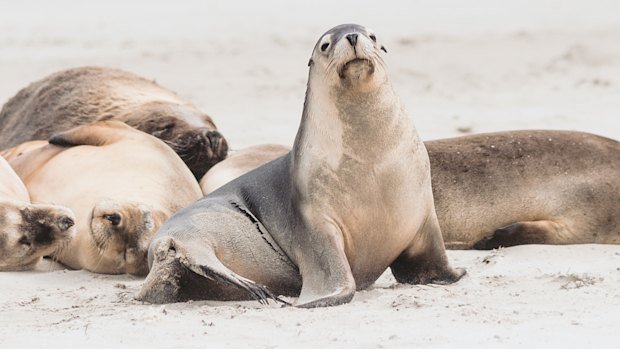
South Australia has confirmed its first case of H5 bird flu in an endangered Australian sea lion. The sea lion was found dead on Friday by a state government ranger at Seal Bay on Kangaroo Island. The animal had suffered a shark wound about three months earlier and had been under monitoring since then. However, the South Australian government said it was confident that the shark injury was not the cause of death. Tests returned a strong positive result for H5 bird flu.
The government said there were no other known deaths of endangered sea lions at Seal Bay, but authorities were closely monitoring the population.
Seal Bay is home to an estimated 800 Australian sea lions, making it the third-largest single colony of the species. The colony accounts for about 5% of the total Australian sea lion population. Around three-quarters of Australia’s sea lions live in South Australia.
Scientists have previously warned that the spread of bird flu among Australian sea lions could cause severe population losses. The virus has already affected seal populations in parts of South America and the sub-Antarctic region, raising concerns about its potential impact on vulnerable marine mammals in Australia.
South Australia confirmed Australia’s first case of H5N1 in a mainland mammal in August, after a dead long-nosed fur seal found at Beachport on the Limestone Coast tested positive for the virus.
At the time, John Woinarski, a leading mammal scientist at Charles Darwin University, warned that the virus could quickly spread to other seals and sea lions.
Woinarski said the resulting losses could be substantial and could have a serious impact on conservation efforts. He said he was particularly concerned about Australian sea lions because of their relatively small population.
The latest case has heightened concerns over the potential spread of H5 bird flu among one of Australia’s most vulnerable marine mammal species. Authorities are continuing to monitor the Seal Bay colony closely for any further signs of infection or unusual deaths.
Source: The Guardian