U.S. Warns Iran: Energy Infrastructure Attacks Will Carry a Heavy Price
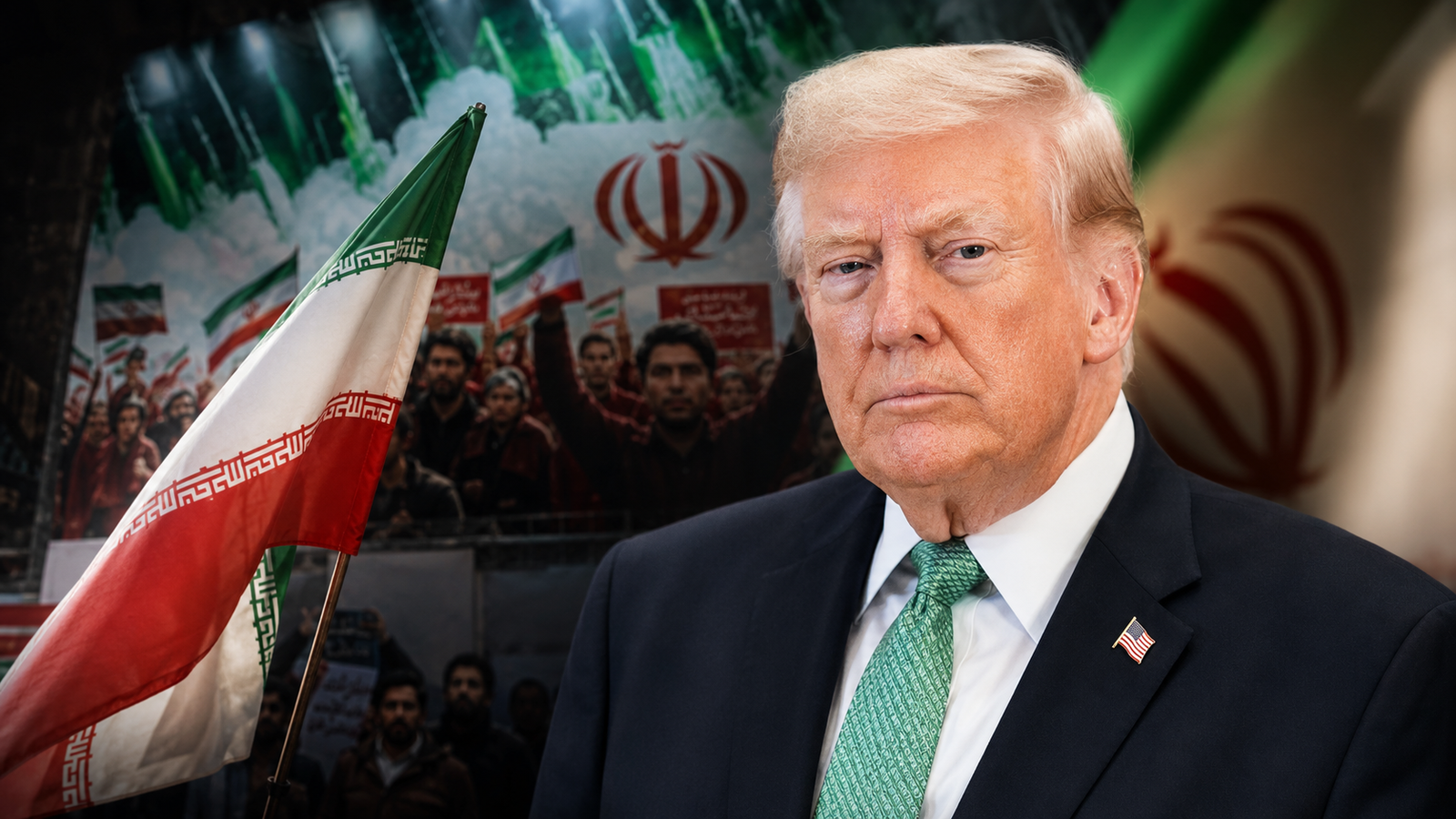
Iran has warned it will target U.S. and Israeli energy infrastructure across the Middle East if its own critical facilities are attacked. Meanwhile, the White House says President Donald Trump remains open to diplomacy but warns Tehran will “continue to pay” if attacks persist.

U.S. Warns Iran: Energy Infrastructure Attacks Will Carry a Heavy Price
Iran has warned that any U.S. or Israeli strike on its critical infrastructure would trigger retaliatory attacks against American and Israeli energy facilities across the Middle East.
According to Iran’s state-affiliated Tasnim News Agency, a senior Iranian security official described reports of possible U.S. and Israeli strikes as “madness” and said Tehran has prepared extensive military response plans.
The official stated that Iran’s response could include strikes on Israeli critical infrastructure as well as U.S. energy assets throughout the region, adding that Iran’s armed forces possess both the capability and determination to carry out such operations.
The warning came shortly after the White House reiterated that President Donald Trump remains willing to pursue diplomacy with Tehran. However, officials emphasized that Iran “will continue to pay” if it continues attacks against U.S. troops, allies, or commercial shipping.
The statement follows growing reports that Washington is considering expanding its military campaign against Iran.
Meanwhile, U.S. Central Command (CENTCOM) announced that it has redirected 30 commercial vessels, boarded two ships, and disabled two others while enforcing the U.S. naval blockade of Iran. Nearly 30 humanitarian aid vessels, however, were allowed to pass safely.
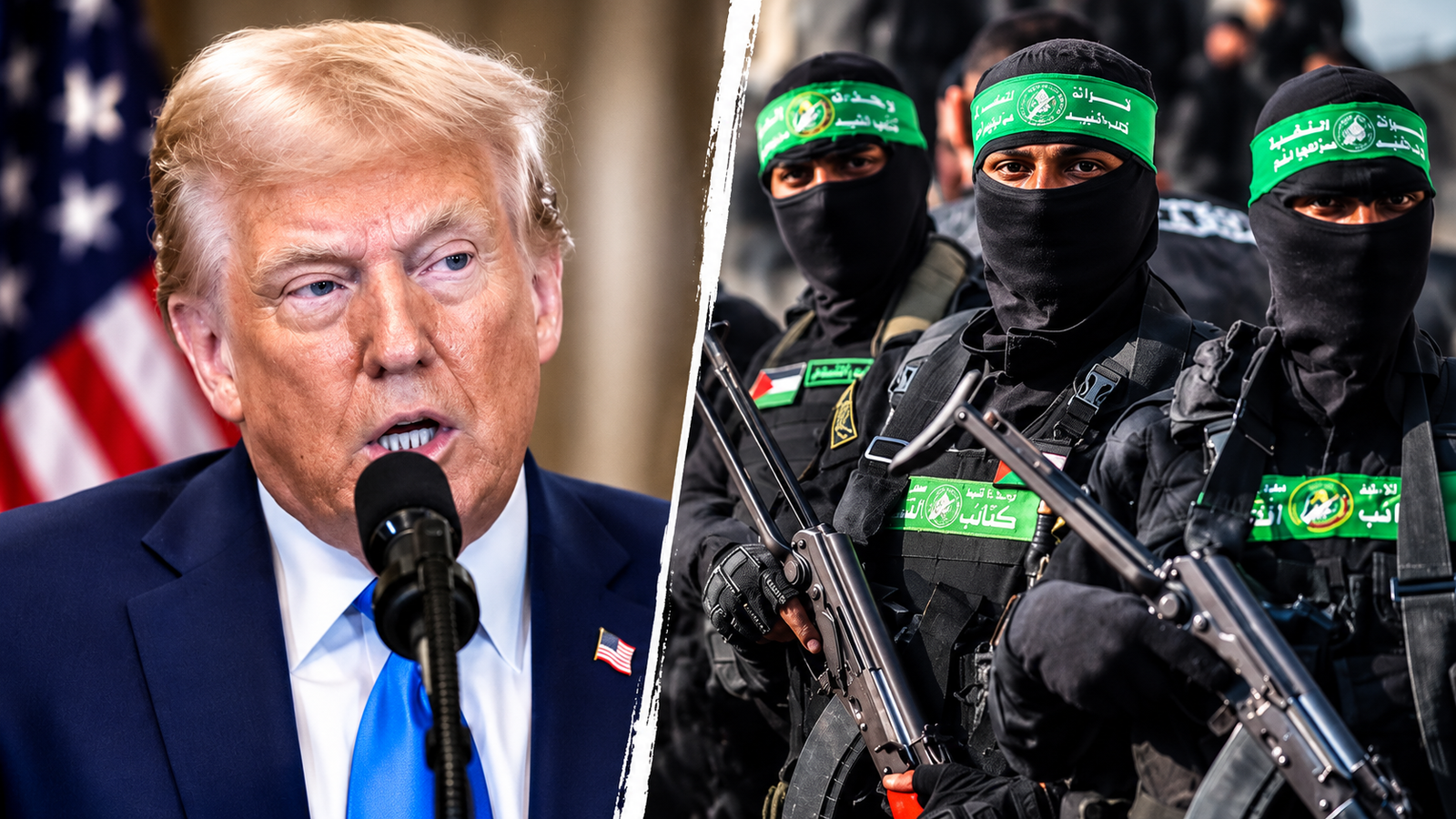
Separately, President Trump said Hamas has agreed to a phased disarmament framework for Gaza, although Israeli officials cautioned that major issues remain unresolved before any agreement can be implemented.
Analysts say the exchange of threats highlights the growing risk of wider regional conflict despite continued diplomatic efforts.