U.S. Says It Intercepted Iranian Ballistic Missiles in Major Middle East Escalation
The United States says it successfully intercepted multiple ballistic missiles launched by Iran at U.S. military positions across the Middle East, marking another dangerous escalation in the ongoing confrontation between Washington and Tehran.

U.S. Says It Intercepted Iranian Ballistic Missiles in Major Middle East Escalation
The U.S. Central Command (CENTCOM) announced that American forces intercepted multiple ballistic missiles fired by Iran in what it described as an attempted surprise attack on U.S. military personnel stationed across the Middle East.
According to CENTCOM, all incoming missiles were successfully intercepted, and U.S. forces remain on a high state of alert.
Jordan’s state news agency reported that five missile interceptions occurred over Jordanian airspace.
Meanwhile, Iran’s Islamic Revolutionary Guard Corps (IRGC) claimed responsibility for the attack, saying it targeted a U.S. airbase and a CENTCOM facility in Jordan with several ballistic missiles.
The IRGC warned that its military operations would continue as long as threats against Iran and what it described as illegal U.S. actions persist.
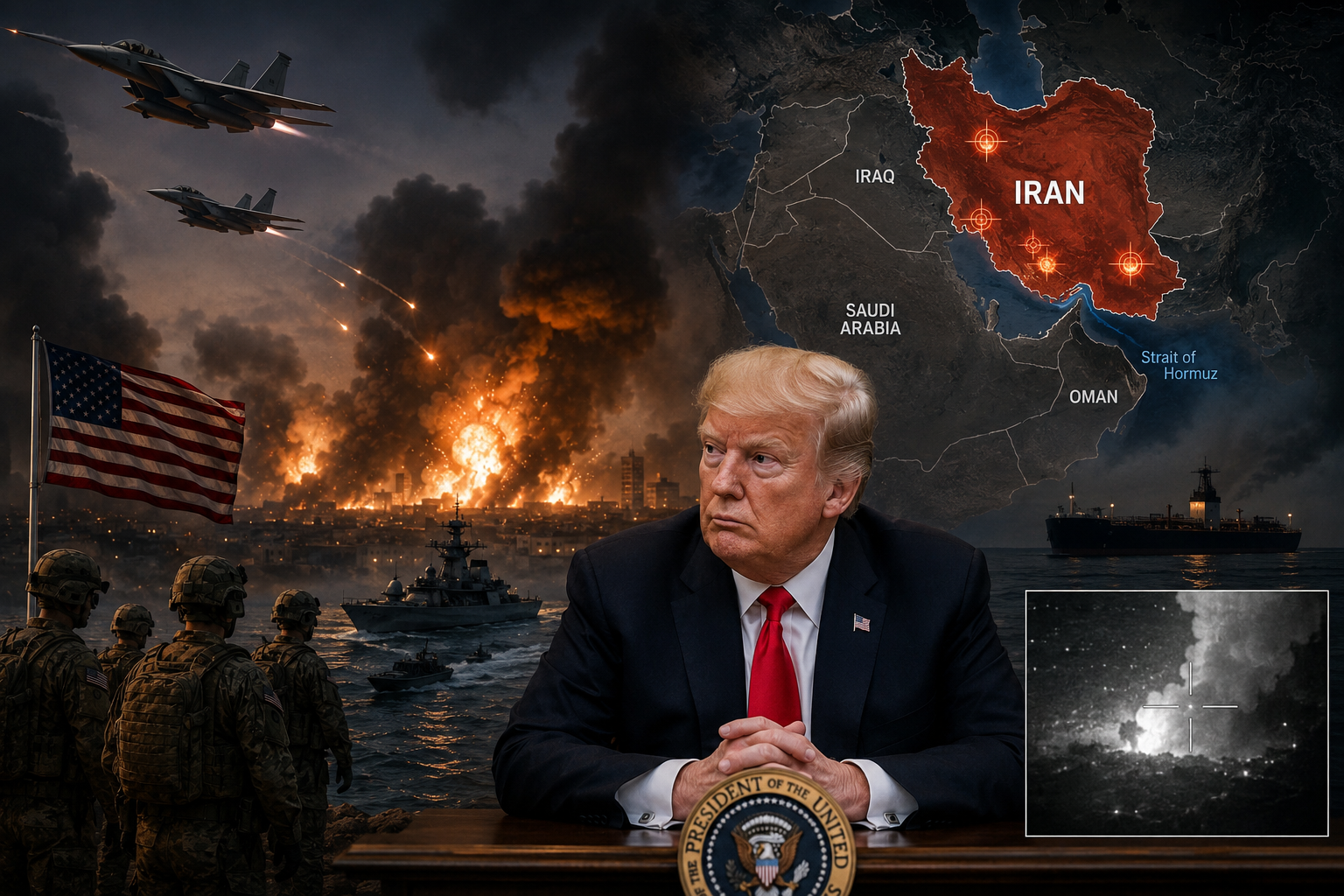
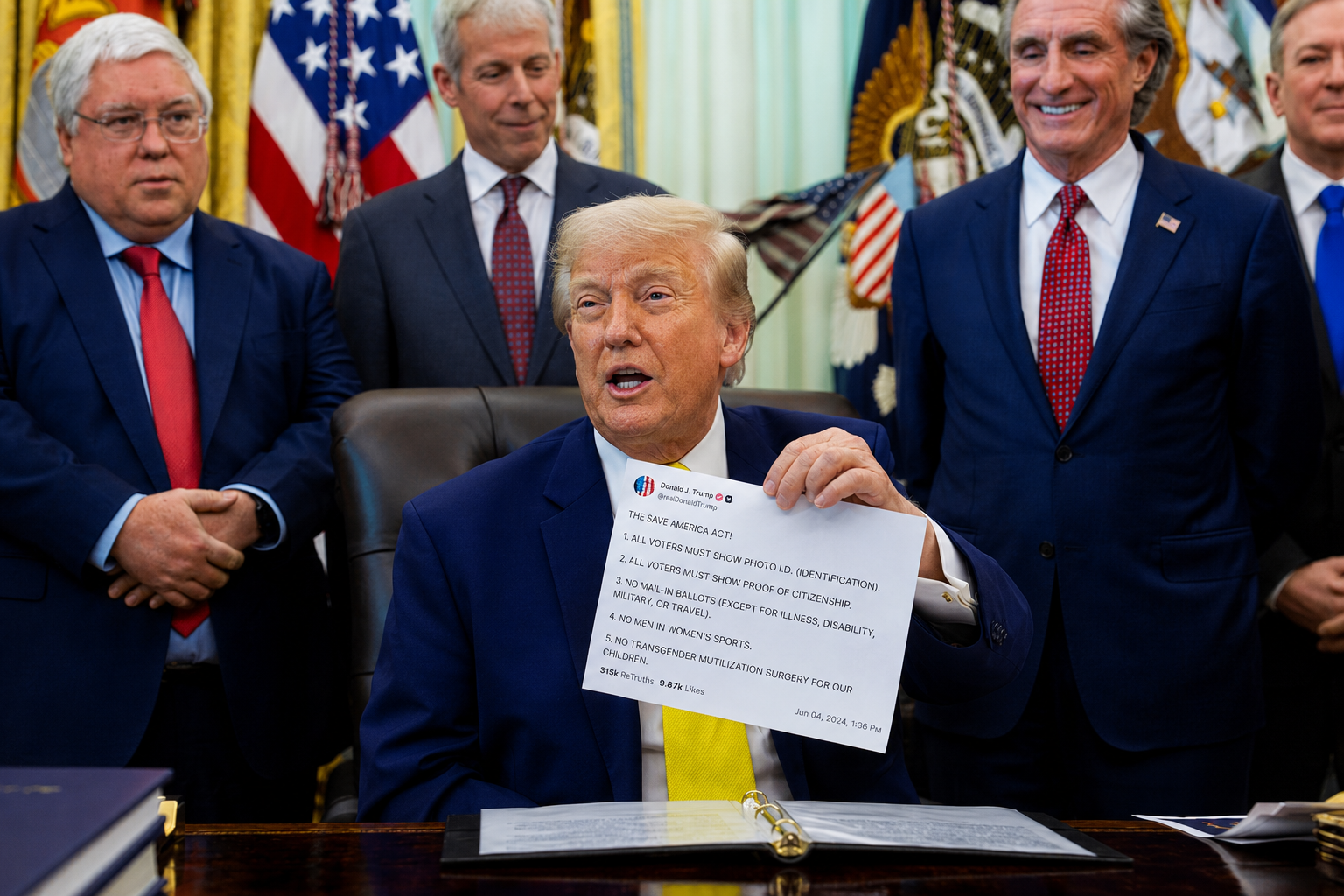
The escalation comes just days after President Donald Trump paused a planned bombing campaign against Iran, saying diplomatic discussions were showing progress. However, Trump has also warned that military strikes could resume if negotiations fail.
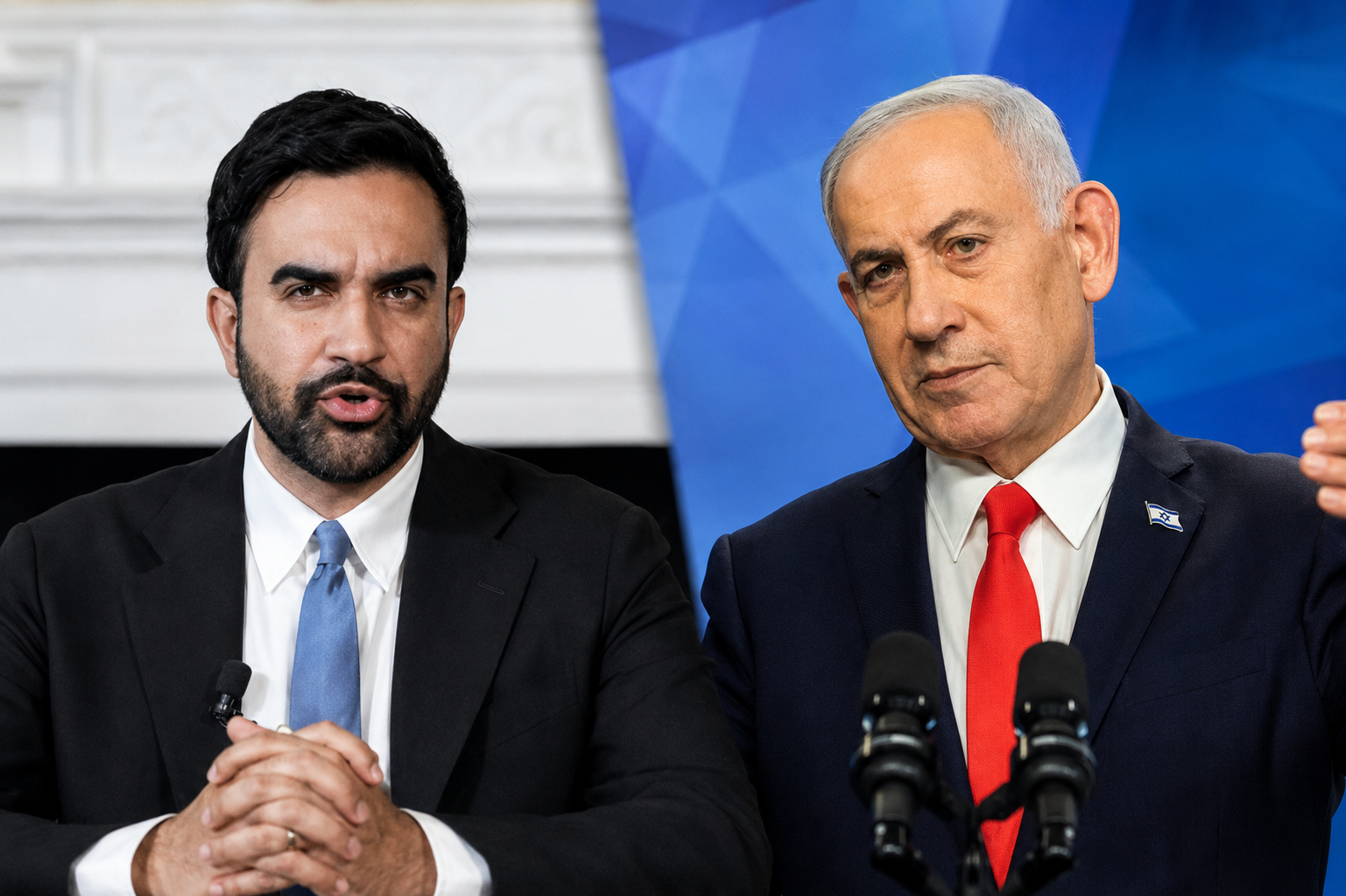
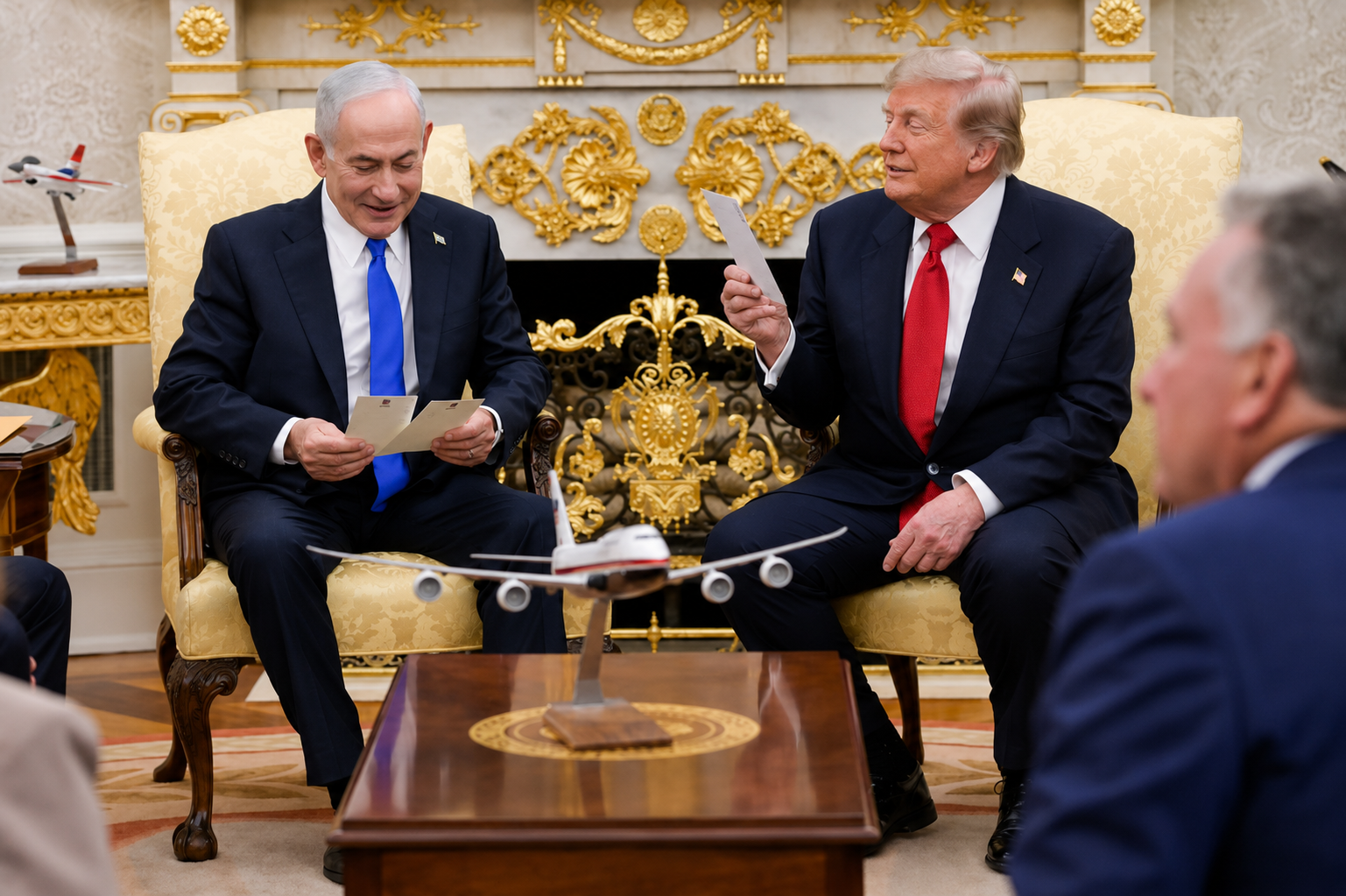
The missile attack coincided with Trump’s meeting at the White House with Israeli Prime Minister Benjamin Netanyahu, who has continued to advocate for stronger action against Iran.
At the same time, tensions in the Strait of Hormuz also intensified. The IRGC claimed it had stopped three oil tankers that allegedly ignored Iranian warnings while transiting the strategic waterway. Those claims have not been independently verified.
Iran also rejected Oman’s proposal for joint management of shipping traffic through the Strait of Hormuz, insisting that Tehran has the sovereign right to control navigation within its territorial waters.
Global energy markets reacted immediately to the developments. U.S. crude oil futures surged more than 4 percent, rising above $82 per barrel, while Brent crude climbed above $88 per barrel amid renewed concerns over regional stability and global oil supplies.
Analysts believe the latest exchange could further complicate diplomatic efforts between Washington and Tehran while increasing the risk of broader regional conflict.