Trump says Anti-Weaponization Fund is effectively dead.
U.S. President Donald Trump says his proposed $1.8 billion Anti-Weaponization Fund is effectively dead, despite his personal support for the idea. The controversy surrounding the fund has also stalled the Senate confirmation of Acting Attorney General Todd Blanche.

Trump says Anti-Weaponization Fund is effectively dead.
U.S. President Donald Trump said Friday that the proposed $1.8 billion Anti-Weaponization Fund is no longer active, although he expressed regret over its demise.
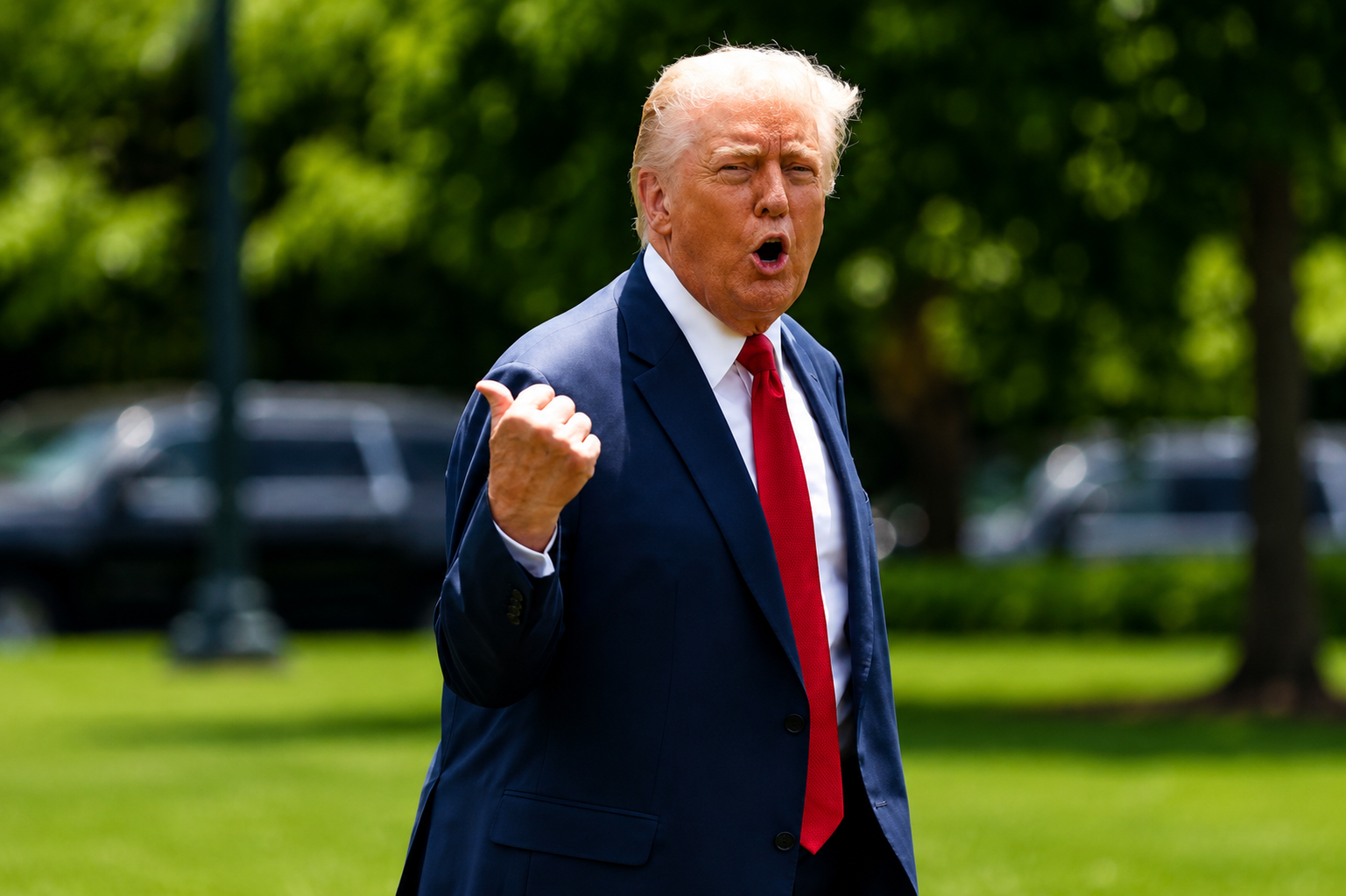
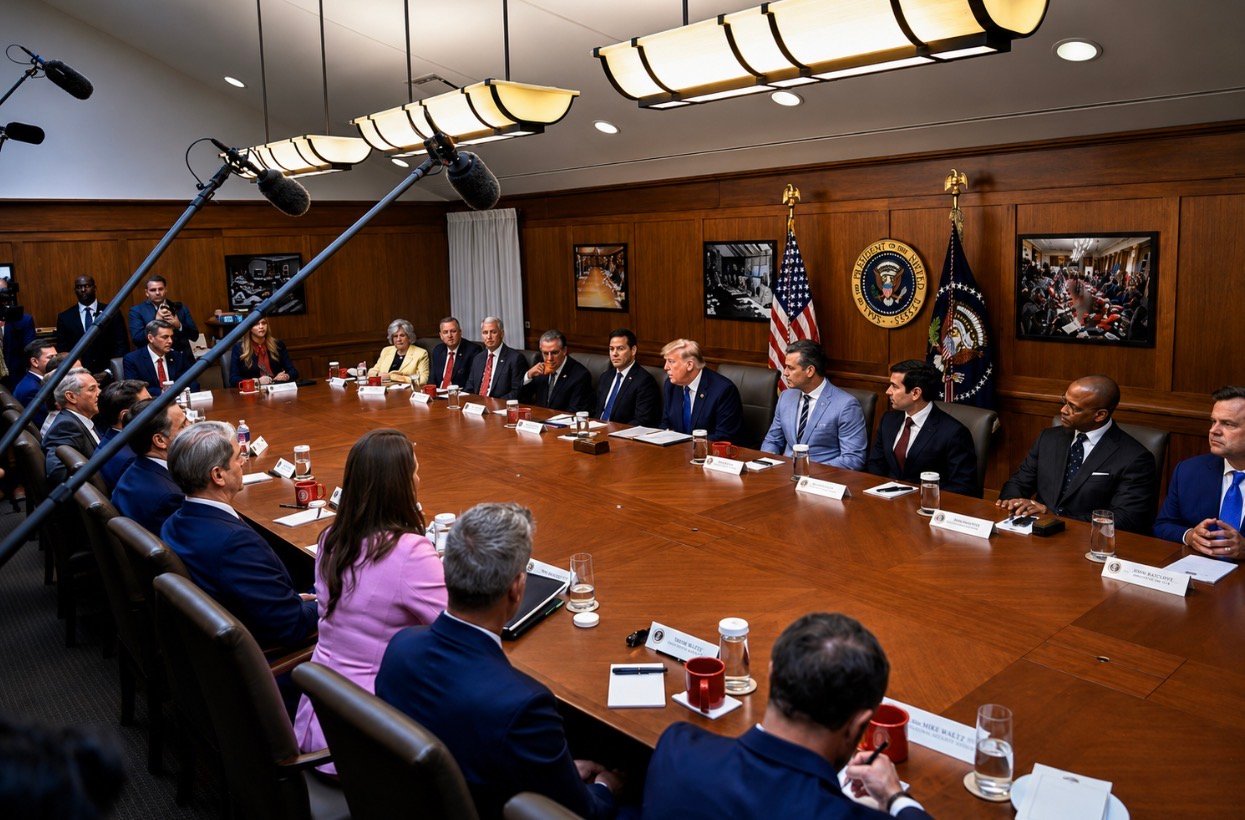
Speaking during a Cabinet meeting at Camp David, Trump said he believed many Americans had been unfairly targeted by the government and deserved compensation.
“It is dead, but I wish it weren’t. People were horribly treated and horribly abused. I’d like to see them compensated for the pain,” Trump said.
The issue has become a major obstacle to the Senate confirmation of Acting Attorney General Todd Blanche, whose nomination has been delayed by Republican Senators John Cornyn and Thom Tillis.
The senators are demanding written assurances that the Department of Justice will never implement the fund, arguing it could become a taxpayer-funded reward program for Trump supporters.
Although Blanche has told lawmakers the fund is no longer operational, he has so far declined to provide that assurance in writing.
Trump urged Senate Republicans to confirm Blanche, calling him uniquely qualified for the position, and criticized Senator Cornyn for opposing the nomination after Trump endorsed Cornyn’s primary challenger.
Despite the Senate deadlock, Blanche is expected to continue serving as Acting Attorney General because U.S. law allows acting officials to remain in office while their nominations are pending.
The proposed Anti-Weaponization Fund originated as part of a legal settlement involving Trump’s lawsuit against the U.S. government over the handling of his tax records. Trump argued the fund would compensate Americans who he believes were unfairly targeted by federal authorities, particularly those connected to the January 6 Capitol riot investigations.
Critics, however, described the proposal as a political slush fund that could improperly direct taxpayer money to Trump’s allies.