US and Iran Exchange Fresh Strikes as Both Accuse Each Other of Violating Ceasefire
The United States and Iran have exchanged a new round of military strikes, further escalating tensions despite ongoing diplomatic efforts to end the conflict. The latest flare-up began after the US launched strikes on multiple Iranian military targets in retaliation for a drone attack on a cargo ship in the Strait of Hormuz

US and Iran Exchange Fresh Strikes as Both Accuse Each Other of Violating Ceasefire
The United States and Iran have exchanged a new round of military strikes, further escalating tensions despite ongoing diplomatic efforts to end the conflict. The latest flare-up began after the US launched strikes on multiple Iranian military targets in retaliation for a drone attack on a cargo ship in the Strait of Hormuz.
According to US Central Command (CENTCOM), the strikes targeted Iran's military surveillance infrastructure, communication systems, air defense sites, drone storage facilities, and mine-laying capabilities. The US said the operation was a direct response to Iran's continued attacks on commercial shipping in the strategic waterway.
In response, Iran's Islamic Revolutionary Guard Corps (IRGC) announced that it had carried out a joint missile and drone operation targeting eight US military sites in Kuwait and Bahrain. The IRGC warned that any further aggression would receive a "crushing response" and threatened to suspend all diplomatic efforts if the ceasefire was violated again.
Both Bahrain and Kuwait condemned the Iranian attacks, although it remained unclear whether the strikes caused significant damage. A US official told Reuters that there were no reported American casualties or major damage to US military installations at the time.
The renewed hostilities come as Washington and Tehran continue negotiating a memorandum of understanding (MOU) aimed at ending a costly and unpopular war that has driven global oil prices higher and resulted in thousands of civilian deaths.
The latest exchange has raised fresh concerns over the fragile Pakistan-mediated peace process. Less than two weeks ago, the two sides signed a 14-point interim agreement pledging not to initiate military operations against one another and to refrain from the threat or use of force while broader negotiations continued.
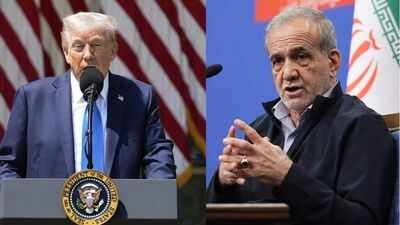
US President Donald Trump also issued a stern warning on Truth Social, saying, "There may come a point when we are no longer able to be reasonable and will be forced to militarily complete the job that we very successfully started. If that happens, the Islamic Republic of Iran will no longer exist."
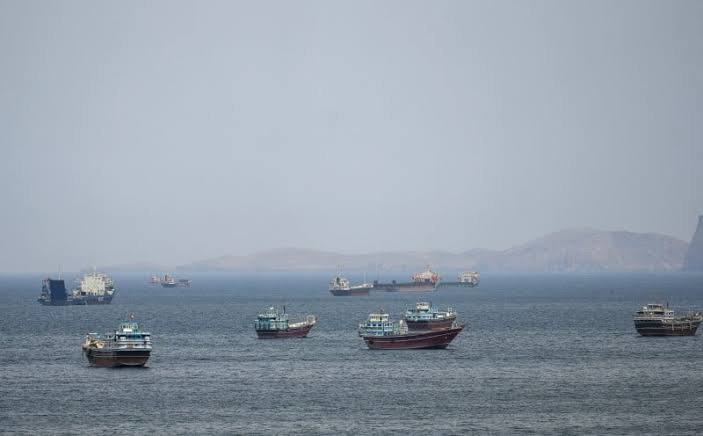
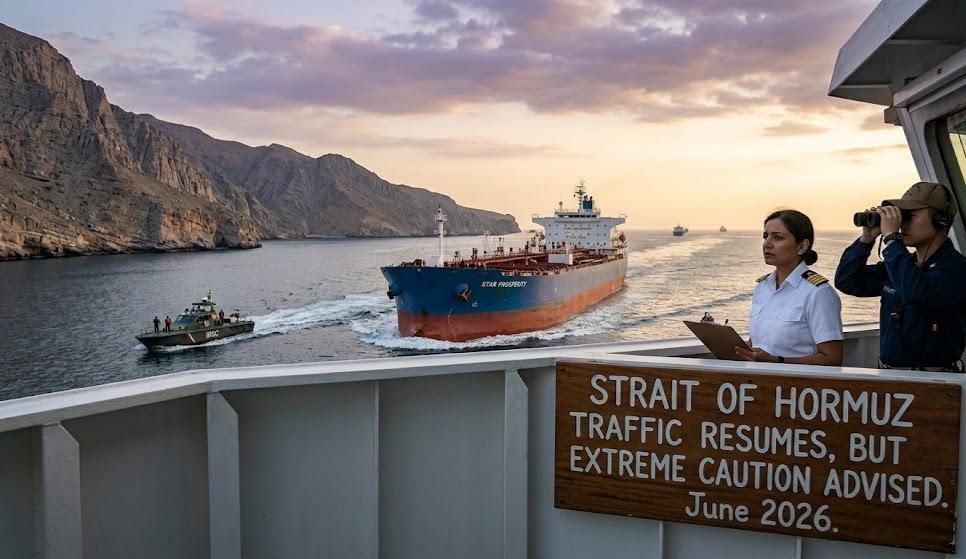
The renewed US strikes followed an Iranian drone attack on a Panama-flagged tanker in the Strait of Hormuz, one of the world's most critical energy shipping routes. The incident has further undermined confidence in the ceasefire and increased uncertainty over the future of ongoing diplomatic negotiations.
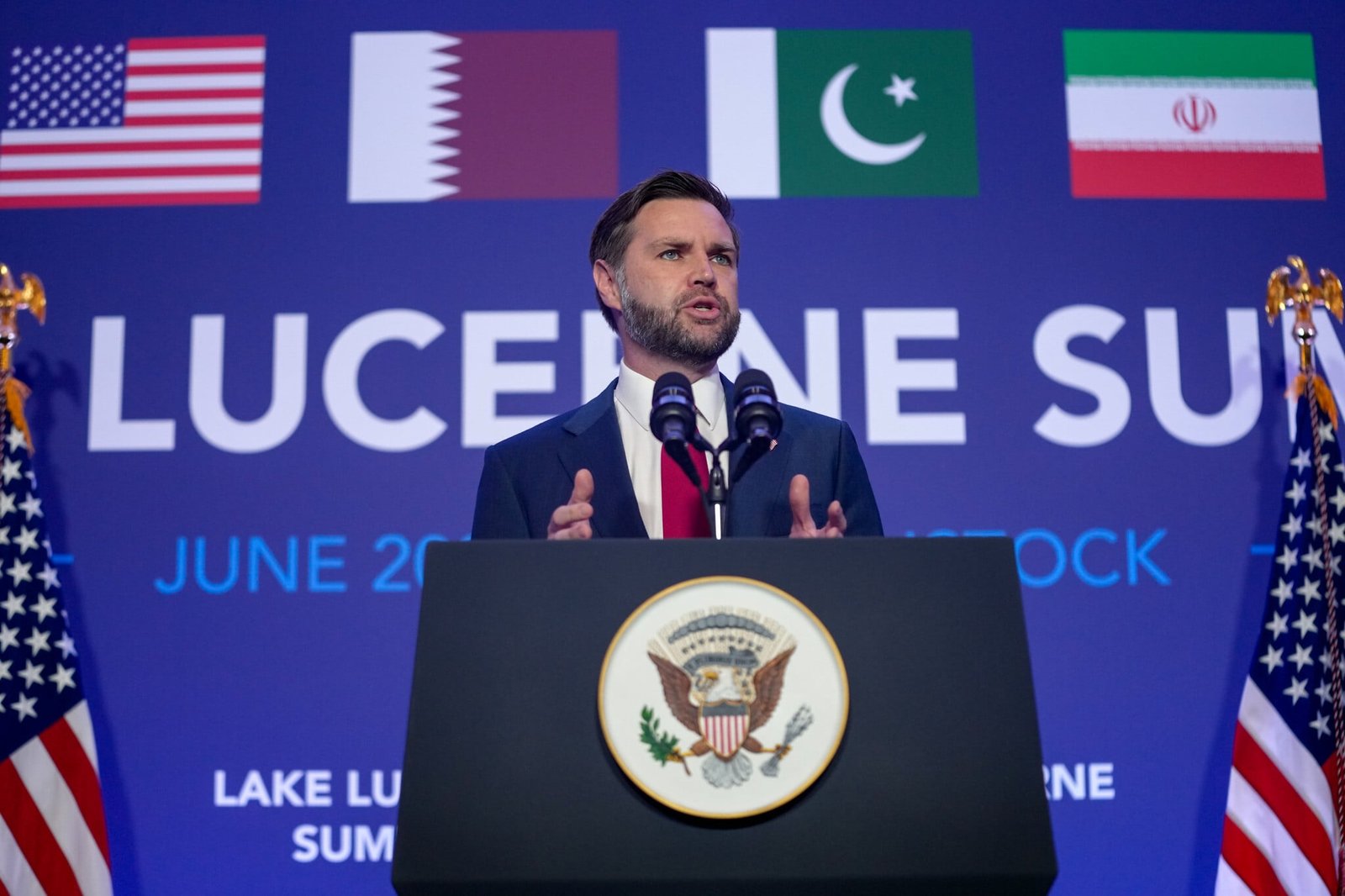
A week earlier, the first round of mediated talks was held in Switzerland between US Vice President JD Vance and Iranian Parliament Speaker Mohammad Baqer Qalibaf. Washington had also eased certain sanctions on Tehran as part of confidence-building measures. However, the latest military exchanges have placed those diplomatic efforts under renewed strain.