US Strikes Iranian Targets After Cargo Ship Attack in Strait of Hormuz
The United States has launched strikes against Iranian military targets in retaliation for a drone attack on a cargo vessel in the Strait of Hormuz, marking the most serious test yet of the recently established US-Iran ceasefire.

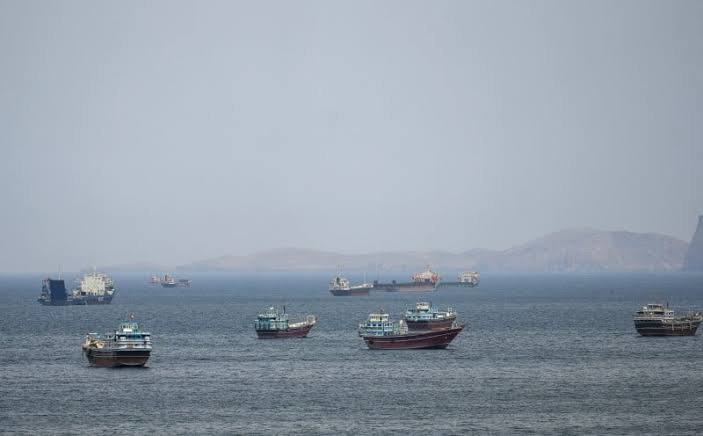
US Strikes Iranian Targets After Cargo Ship Attack in Strait of Hormuz
The United States has launched strikes against Iranian military targets in retaliation for a drone attack on a cargo vessel in the Strait of Hormuz, marking the most serious test yet of the recently established US-Iran ceasefire.
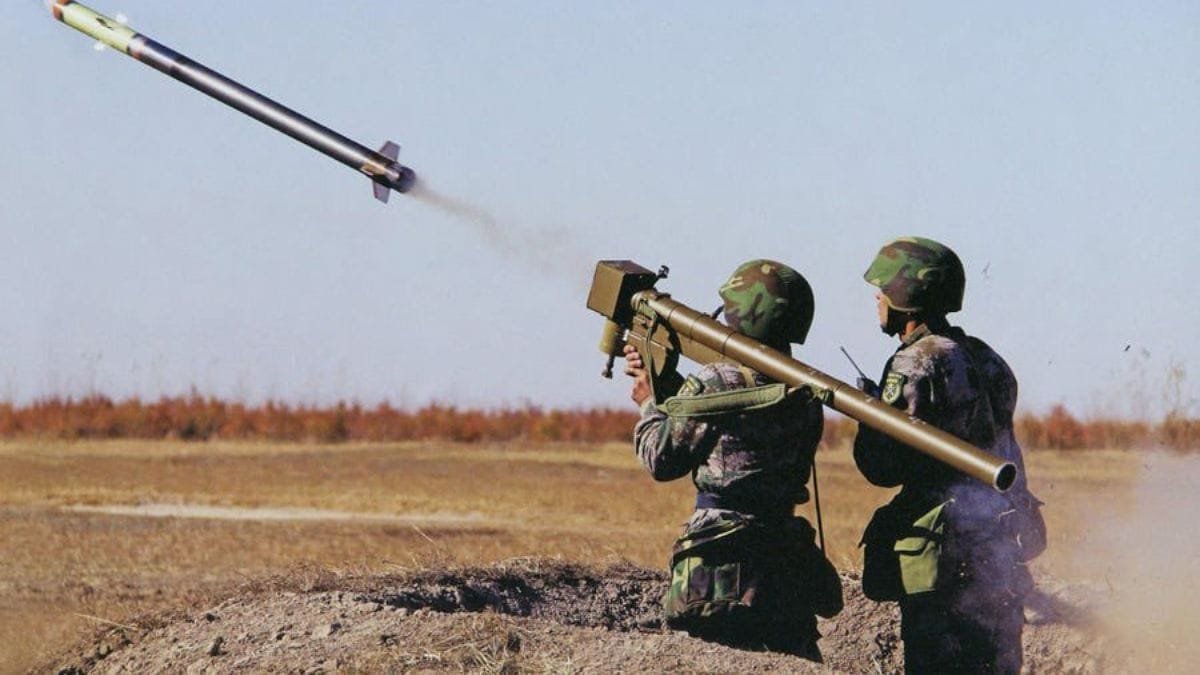
According to US officials, Friday's strikes targeted multiple Iranian missile and drone facilities near the Strait of Hormuz and on Qeshm Island. The operation was described as a limited military response aimed at retaliating for Iran's attack on the Singapore-flagged cargo ship M/V Ever Lovely without triggering a broader conflict.
US Central Command (CENTCOM) said the operation struck "Iranian missile and drone storage locations," calling it a "powerful response" to the attack on the cargo vessel. The US military also emphasized that it remains committed to enforcing the fragile ceasefire with Iran despite ongoing disagreements over Tehran's nuclear program, proposed transit fees in the Strait of Hormuz, and Iran's ballistic missile program.
"The US military remains present and vigilant to ensure all aspects of the agreement with Iran are adhered to, obeyed, and remain in full force and effect," CENTCOM said in a statement.
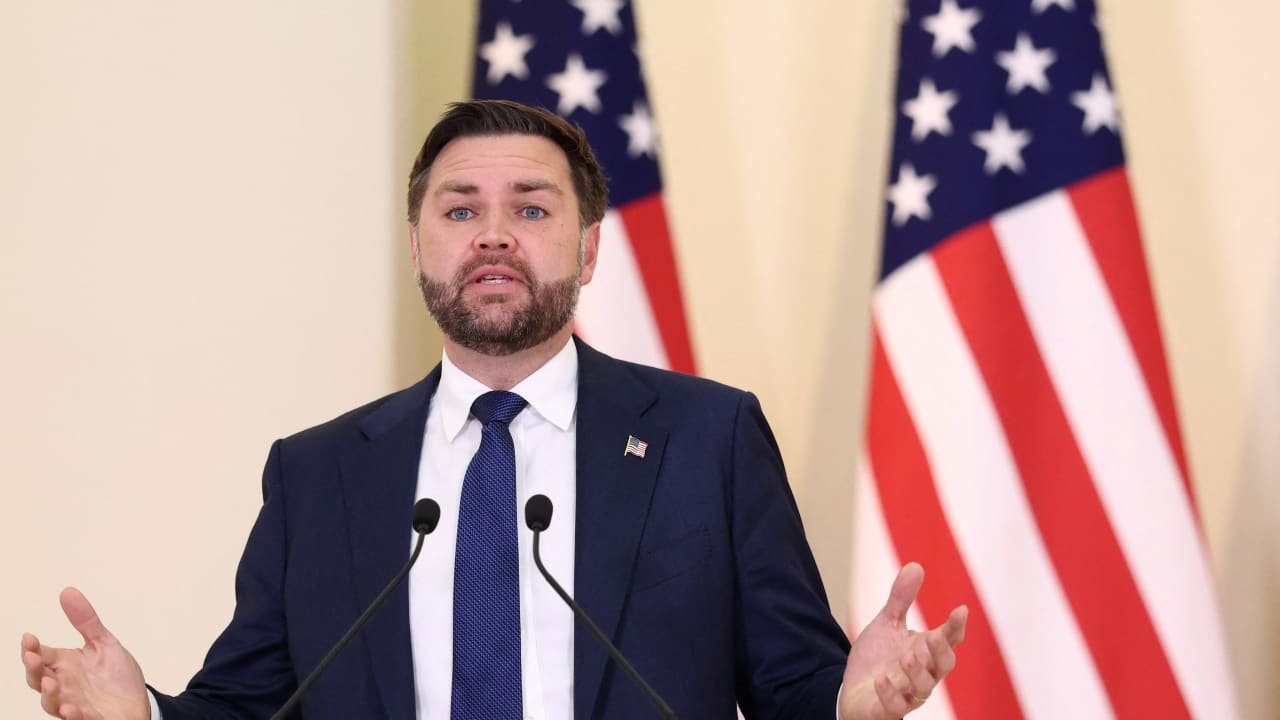
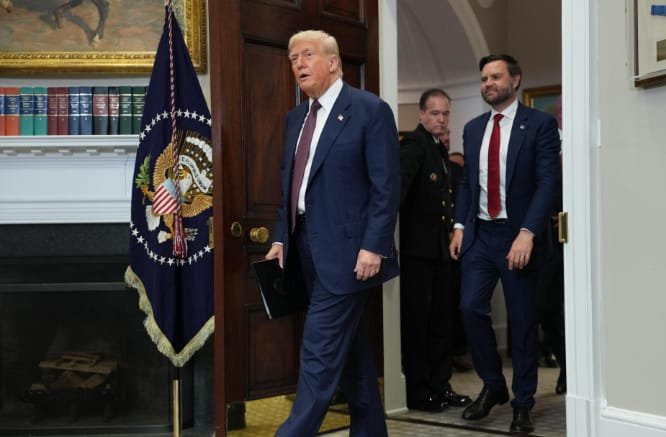
US Vice President JD Vance warned that while Iran was free to raise concerns through diplomatic channels, any use of force would be met with force. "Iran signed a ceasefire agreement. We have honored it. If they have disagreements about how the MOU is being applied, they can pick up the phone. But violence will be met with violence," he wrote on social media.
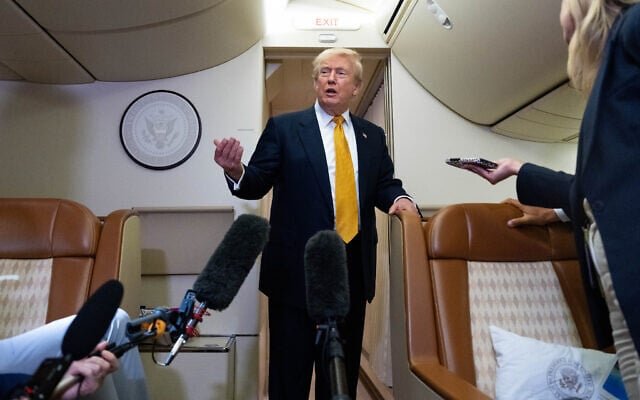
President Donald Trump also condemned the drone strike, calling it a "foolish violation" of the ceasefire. Speaking to reporters before the US operation, Trump said, "You'll find out" when asked whether Washington would retaliate, adding that Iran had "taken a shot yesterday, actually four of them."
Iranian state media reported explosions near the port of Sirik, citing an unnamed military source. The source claimed Iranian forces had fired warning shots and two warning missiles at vessels that allegedly violated navigation regulations in the Strait of Hormuz several hours earlier.
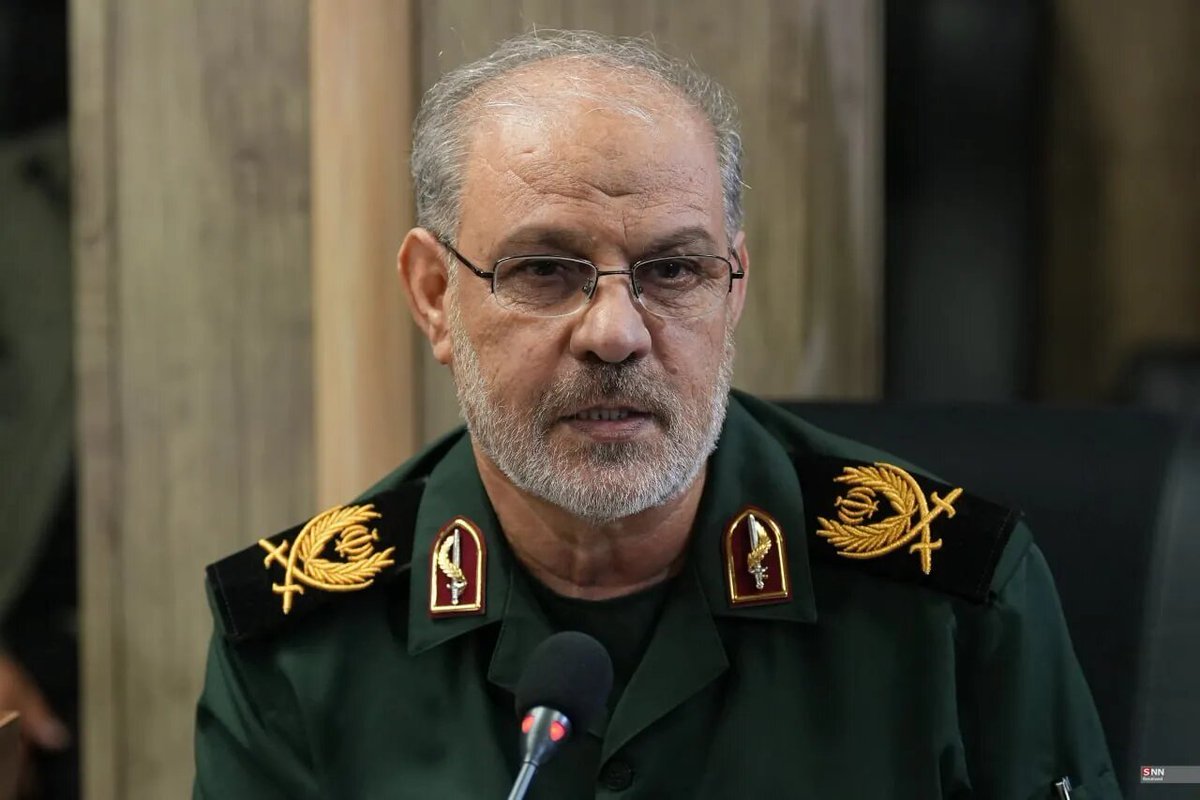
Iran's Islamic Revolutionary Guard Corps (IRGC) said its navy had responded by striking locations where "terrorist US military forces" are stationed in the region. The IRGC warned that any further US attacks would be met with a broader response.
The Guards also asserted that the ceasefire agreement granted Iran authority over ship traffic through the Strait of Hormuz, accusing the United States of attempting to undermine that arrangement.
Senior Iranian security official Ebrahim Azizi insisted Tehran was not seeking to escalate tensions, describing Iran's actions as "ceasefire management" rather than a violation of the agreement.
The incident prompted the UN's International Maritime Organization (IMO) to suspend efforts to evacuate hundreds of ships stranded in the Persian Gulf due to the conflict. The UK Maritime Trade Operations (UKMTO) said the M/V Ever Lovely was struck on its starboard side by an unidentified projectile, damaging the vessel's bridge but causing no casualties or environmental pollution.
Separately, Israel and Lebanon signed an agreement aimed at ending hostilities between Israel and the Iran-backed Hezbollah movement. The framework calls for Hezbollah's disarmament and the withdrawal of Israeli troops from Lebanon, although Hezbollah has already stated it will not cooperate with the arrangement.
US Secretary of State Marco Rubio described the agreement as "the beginning of the beginning" toward lasting peace and security, acknowledging that significant work remains ahead.
Lebanon's ambassador to Washington, Nada Hamadeh Moawad, called the accord an important first step toward restoring Lebanon's sovereignty, achieving a permanent cessation of hostilities, and enabling displaced civilians to return home.
Israeli Ambassador to the United States Yechiel Leiter said the agreement would remove Iranian influence and Hezbollah from Lebanon while opening the way for peace between Israel and Lebanon.
According to the agreement released by the US State Department, Israel and Lebanon have declared their intention to formally end the conflict, address its root causes, and conclude the state of war between the two countries. It also establishes a process for the Lebanese Armed Forces to restore full sovereign authority across the country following the verified disarmament of non-state armed groups, particularly Hezbollah.