Key Questions Remain After the US-Iran Deal
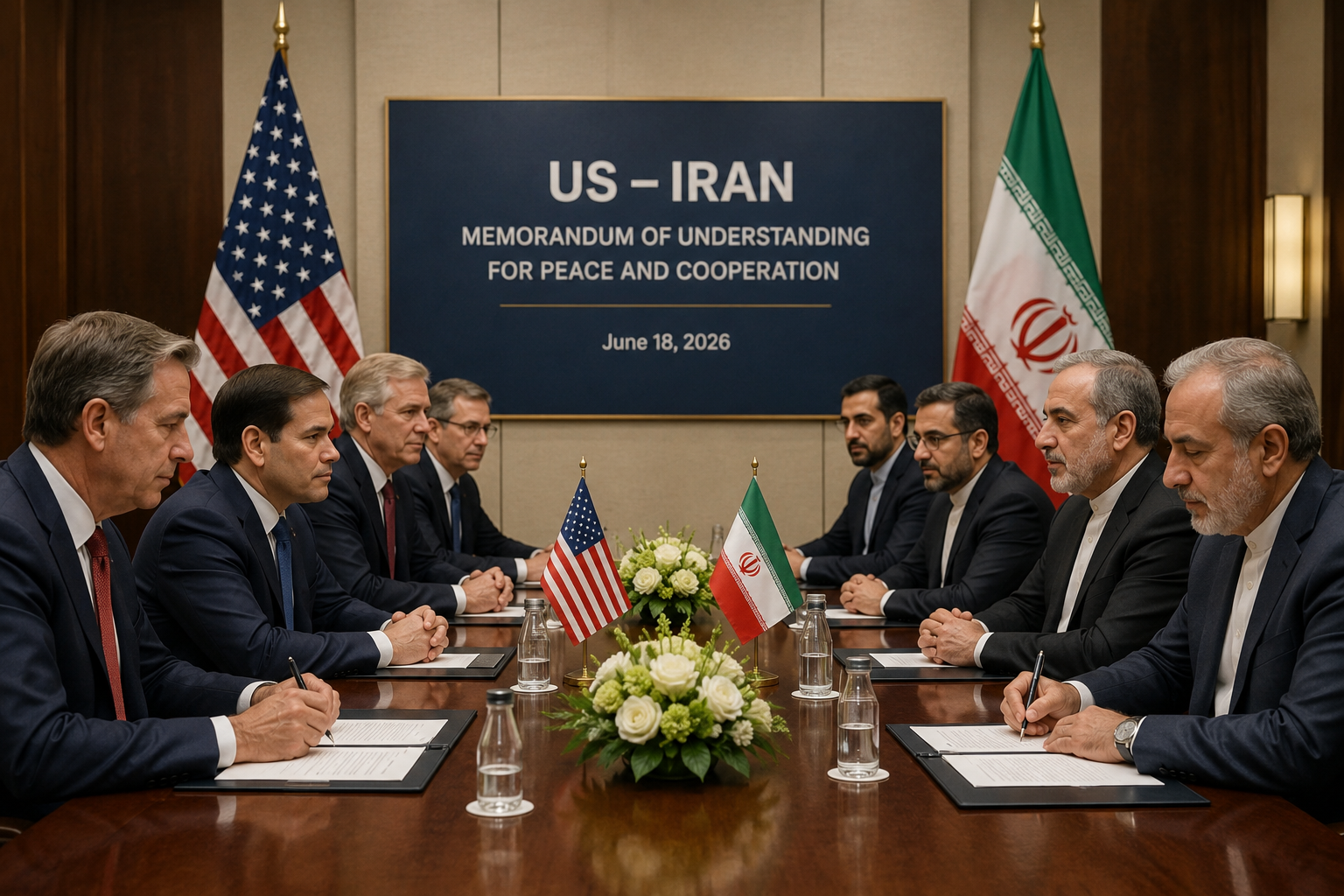
The newly signed agreement between the United States and Iran is intended to end the recent conflict, reopen the Strait of Hormuz, ease certain sanctions on Tehran, and restart negotiations over Iran’s nuclear program within a 60-day framework. However, the brief memorandum leaves several major issues unresolved, raising questions about how the deal will be implemented

Key Questions Remain After the US-Iran Deal
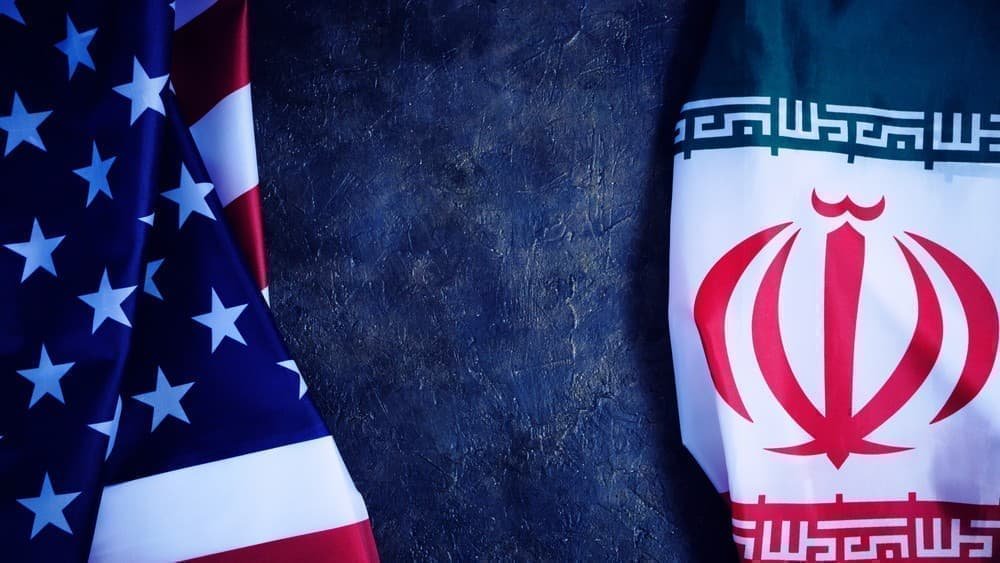
The newly signed agreement between the United States and Iran is intended to end the recent conflict, reopen the Strait of Hormuz, ease certain sanctions on Tehran, and restart negotiations over Iran’s nuclear program within a 60-day framework. However, the brief memorandum leaves several major issues unresolved, raising questions about how the deal will be implemented.
One of the biggest uncertainties concerns Iran’s nuclear program. While the agreement calls for renewed negotiations, it does not specify the level of uranium enrichment Iran will be permitted to maintain or provide detailed provisions for handling its remaining stockpile of highly enriched uranium. Analysts note that reaching a comprehensive nuclear accord could take far longer than the 60-day target.
Another key issue is the reopening of the Strait of Hormuz, a vital global energy shipping route. Under the agreement, Iran is expected to remove naval mines and allow commercial vessels to pass without imposing tolls during the transition period. Although shipping activity has begun to resume, experts caution that restoring normal traffic could take weeks or even months.
The future of global energy markets also remains uncertain. Even with the waterway reopening, damaged infrastructure, security concerns, and a backlog of vessels may delay the return of normal oil and gas flows, prolonging volatility in fuel prices.
Questions also remain over sanctions relief. The United States has indicated it will ease some restrictions and allow Iranian oil exports to resume, but broader sanctions linked to Iran’s nuclear activities, regional influence, and human rights record are expected to depend on Tehran’s compliance with future commitments. The proposed $300 billion reconstruction fund for Iran has also yet to identify clear financial contributors.
The agreement’s impact on Lebanon is equally unclear. While it calls for an immediate halt to military operations across all fronts, it does not specify whether Israeli forces will withdraw from occupied areas in southern Lebanon or how Hezbollah’s military activities will be addressed. Continued fighting there could undermine the broader agreement.
Finally, the memorandum is largely silent on Iran’s ballistic missile program and its support for allied militant groups in the region. Those omissions leave unresolved issues that have long been central to tensions between Iran, the United States, and Israel, meaning additional negotiations may be required before a lasting settlement can be achieved.