U.S. and Iran Clash Over Nuclear Inspection Claims After Peace Talks
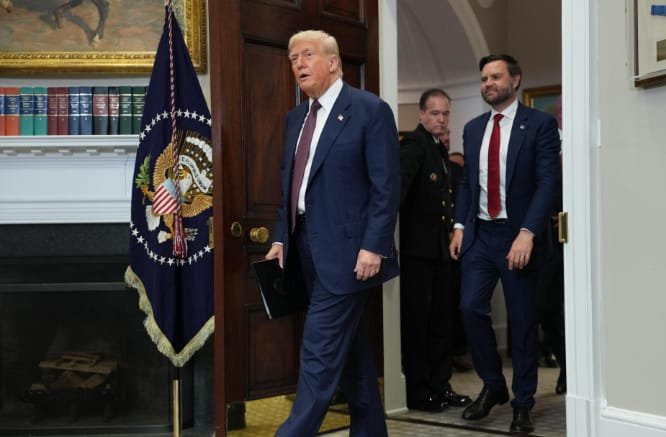
U.S. President Donald Trump said on Tuesday that Iran had agreed to allow nuclear inspections “into infinity,” but Tehran firmly denied the claim, insisting that no such agreement had been reached and that it had not invited international inspectors back into the country

U.S. and Iran Clash Over Nuclear Inspection Claims After Peace Talks
U.S. President Donald Trump said on Tuesday that Iran had agreed to allow nuclear inspections “into infinity,” but Tehran firmly denied the claim, insisting that no such agreement had been reached and that it had not invited international inspectors back into the country.
The dispute comes after Washington granted Iran a 60-day sanctions waiver following an interim peace agreement reached last week to end more than three months of conflict. The waiver allows Tehran to resume oil sales and receive payments until August 21.
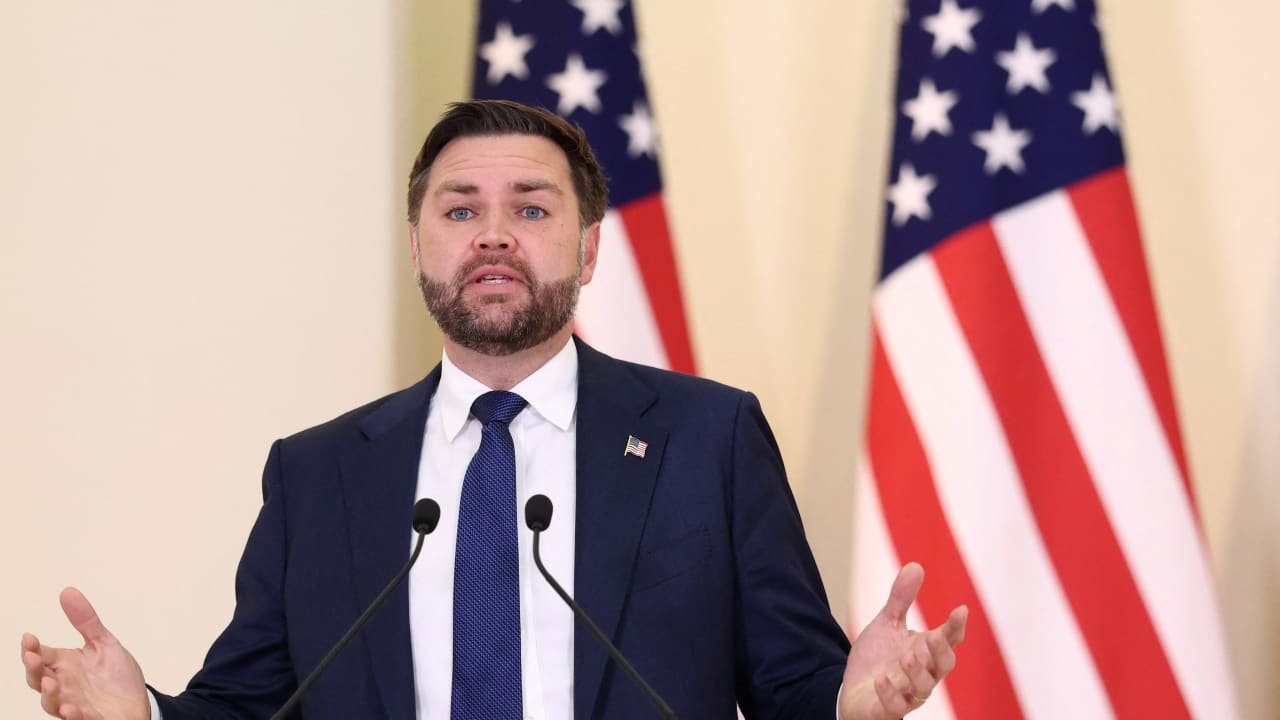
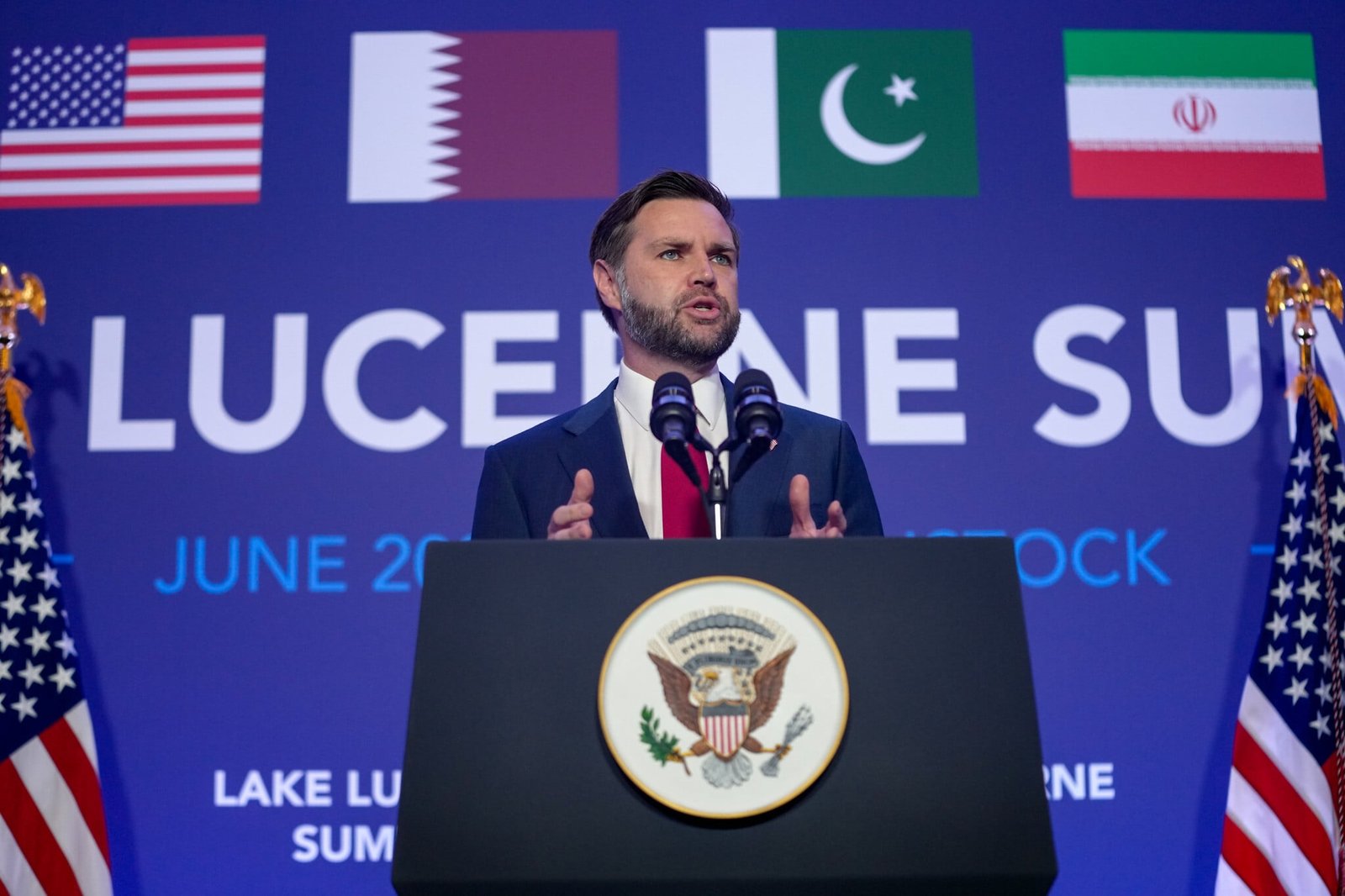
U.S. Vice President JD Vance said talks held in Buergenstock, Switzerland, had established a solid foundation for a final agreement and that Iran had accepted the return of nuclear inspectors. However, Iranian officials rejected that characterization, stating that no formal discussions on the nuclear program had taken place and that there was no agreement to readmit inspectors from the International Atomic Energy Agency (IAEA).
In a post on Truth Social, Trump asserted that Iran had “fully and completely agreed to the highest level of nuclear inspections long into the future.” He also claimed that Iranian assets unfrozen under the deal would be placed in an escrow account and used to purchase humanitarian goods from the United States, including food, medicine, corn, wheat, and soybeans.
Iran swiftly rejected those assertions. Ambassador Ali Bahreini told reporters in Geneva that Iran alone would decide how to use its unfrozen assets and that no other country would have authority over those funds or their allocation.
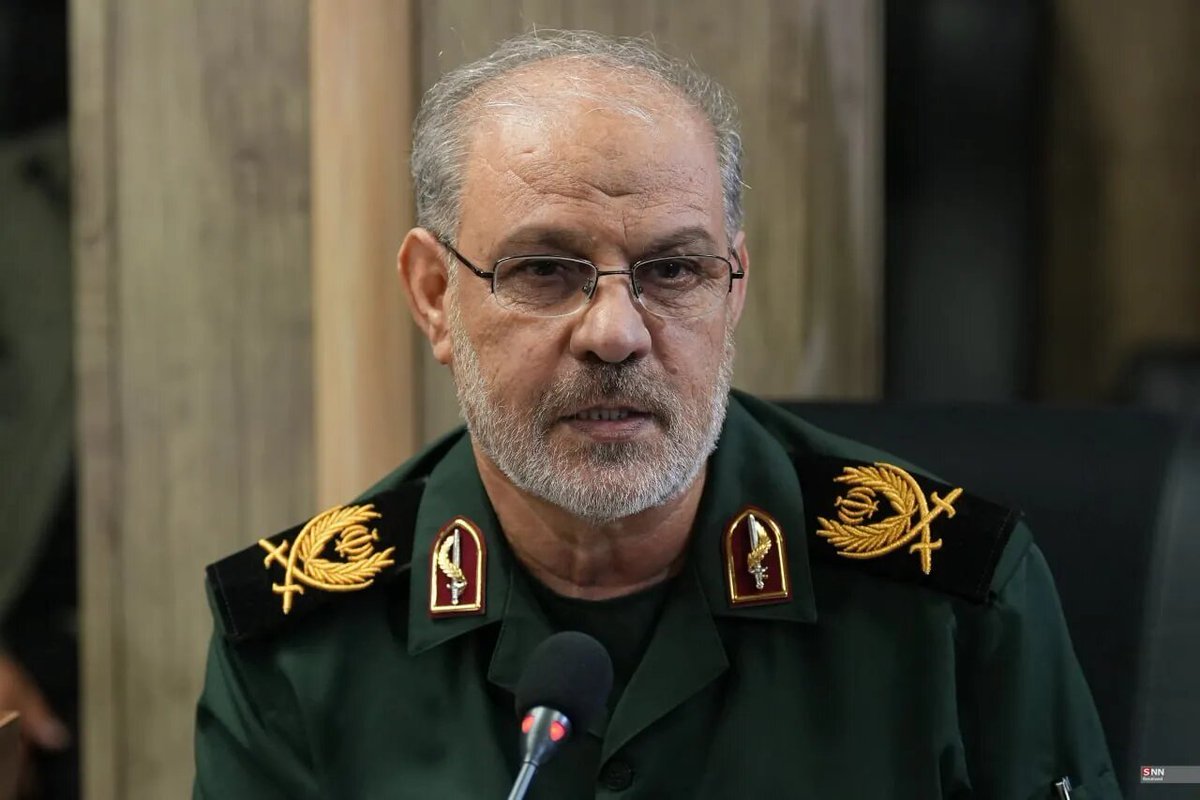
Iranian Foreign Ministry spokesperson Esmail Baghaei also dismissed reports of renewed cooperation with the IAEA, saying Iranian officials had not met with IAEA Director General Rafael Grossi in Switzerland and had no plans to allow inspections of the country’s damaged nuclear facilities.
Despite the public disagreement, Bahreini said progress had been made in the broader negotiations and announced that two working groups would soon be established to address sanctions relief and Iran’s nuclear activities. He emphasized that several provisions of the initial agreement must be fully implemented before substantive negotiations on the nuclear file can begin.
The talks also touched on regional security issues, including Lebanon. Iran said the interim understanding envisages the withdrawal of Israeli forces from Lebanese territory, while Israel has maintained that it will continue to hold a security zone in southern Lebanon and act against perceived threats.
Meanwhile, shipping traffic through the Strait of Hormuz has begun to recover after wartime disruptions, and global oil prices have eased following the announcement of the interim agreement.
The conflicting statements from Washington and Tehran underscore the uncertainty surrounding efforts to transform the fragile ceasefire into a broader and lasting diplomatic settlement.