US-Iran Deal Brings Shipping Back to a Critical Global Trade Route
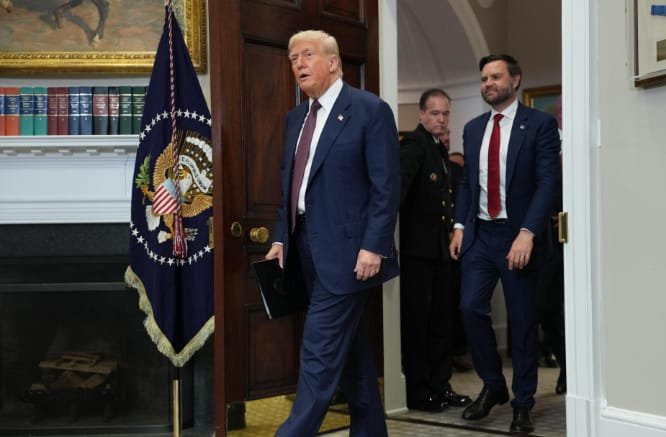
The reopening comes as diplomatic efforts between Washington and Tehran continue to intensify. US Special Envoy Steve Witkoff is traveling to Switzerland for renewed negotiations aimed at resolving technical issues that delayed previous talks. Jared Kushner, son-in-law of President Donald Trump, is also expected to participate as both sides race to finalize a comprehensive agreement within a 60-day deadline.

US-Iran Deal Brings Shipping Back to a Critical Global Trade Route
Strait of Hormuz Reopens, But Safety Concerns Remain as US-Iran Deal Takes Effect
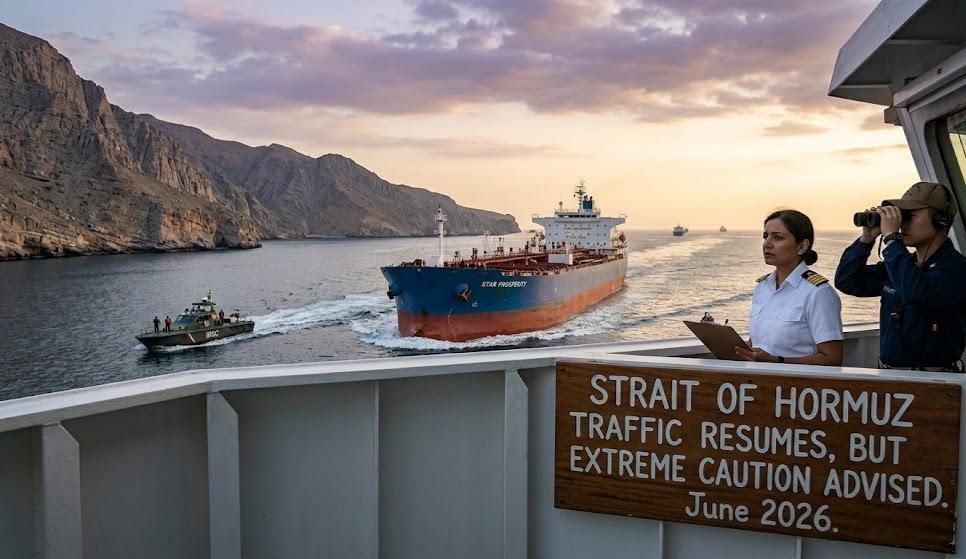
Washington/Tehran – Following the implementation of the landmark US-Iran agreement on June 17, commercial shipping has officially resumed through the Strait of Hormuz, one of the world's most strategically important waterways. While vessel traffic has begun to recover, maritime experts warn that significant safety challenges remain before normal operations can fully resume.
The reopening comes as diplomatic efforts between Washington and Tehran continue to intensify. US Special Envoy Steve Witkoff is traveling to Switzerland for renewed negotiations aimed at resolving technical issues that delayed previous talks. Jared Kushner, son-in-law of President Donald Trump, is also expected to participate as both sides race to finalize a comprehensive agreement within a 60-day deadline.
Shipping Traffic Begins to Recover
According to marine intelligence firm AXSMarine, Thursday recorded the highest number of vessels transiting the Strait of Hormuz since April. Data from Marine Traffic showed that at least 12 vessels passed through the strait on Friday, including five oil tankers and seven cargo ships.
Despite the increase, traffic remains well below pre-conflict levels. Before tensions escalated, approximately 110 vessels crossed the strategic waterway every day.
The Strait of Hormuz serves as a critical gateway connecting the Persian Gulf to global markets, carrying a significant share of the world's oil and liquefied natural gas exports.
Mine-Clearing Operations Underway
Under the Memorandum of Understanding signed between the United States and Iran, Tehran is responsible for neutralizing naval mines and removing obstacles that could threaten commercial navigation.
Maritime security experts caution that mine-clearing operations require extreme precision and cannot be completed quickly. Even with dedicated resources, restoring full confidence among shipping companies and insurers could take several weeks.
As a result, many shipping operators remain cautious despite the official reopening.
New Requirements for Vessel Transit
Iran has introduced strict conditions for vessels seeking passage through the Strait of Hormuz.
Authorities have informed ship owners and captains that all vessels must obtain official transit permits and carry valid insurance coverage before entering the waterway. Iranian officials say the measures are necessary to ensure the safe movement of commercial traffic and reduce the risk of incidents.
The additional requirements may temporarily slow the pace of recovery but are intended to provide greater security for international shipping companies.
Lebanon Ceasefire Supports Diplomacy
The reopening of the strait coincides with renewed efforts to stabilize regional tensions. Israel and Hezbollah have agreed to maintain a ceasefire after recent fighting threatened to undermine the broader US-Iran diplomatic process.
Both sides pledged to respect the truce while warning against violations. Lebanese officials reported that Friday was among the deadliest days of Israeli strikes during the latest phase of the conflict.
Analysts believe reducing tensions in Lebanon is essential to preserving momentum in the ongoing negotiations between Washington and Tehran.
Trump Backs Netanyahu Despite Differences
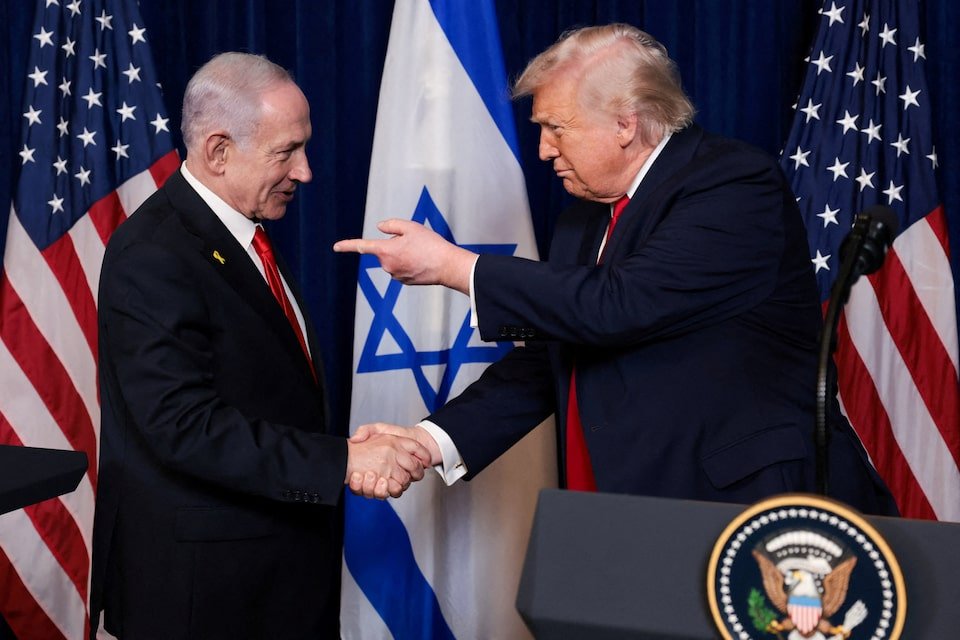
Meanwhile, President Donald Trump publicly praised Israeli Prime Minister Benjamin Netanyahu, despite recent disagreements regarding Israel's military operations in Lebanon and concerns about their impact on the US-Iran agreement.
The comments signal continued strategic cooperation between Washington and Jerusalem even as both governments navigate sensitive regional challenges.
Outlook
While the Strait of Hormuz is technically open once again, experts say the route cannot yet be considered fully secure. Mine-clearing efforts, insurance requirements, and regional security concerns continue to pose challenges.
If current diplomatic efforts succeed and de-mining operations progress smoothly, commercial shipping activity could gradually return to normal levels in the coming weeks.