Padma Bridge Pillar Soil Removal: National Infrastructure Security and the Tragedy of Public Silence
A nation's economic growth, territorial connectivity, and quality of life largely depend on strong and sustainable infrastructure. Over the last decade, Bangladesh has successfully completed several mega projects that have transformed the country's development landscape

Padma Bridge Pillar Soil Removal: National Infrastructure Security and the Tragedy of Public Silence
A nation's economic growth, territorial connectivity, and quality of life largely depend on strong and sustainable infrastructure. Over the last decade, Bangladesh has successfully completed several mega projects that have transformed the country's development landscape. Projects such as the Padma Multipurpose Bridge, Rooppur Nuclear Power Plant, Dhaka Metro Rail MRT Line-6, Matarbari Ultra Super Critical Coal Power Plant, and the Dohazari Cox's Bazar Railway have strengthened economic activities, increased investment opportunities, improved transportation, and enhanced the standard of living for millions of people.
Among all these achievements, the Padma Bridge holds a unique place in the hearts of Bangladeshis. It is not merely a structure of steel and concrete; it is a symbol of national pride, self-reliance, and hope for millions of people living in the southern region of the country.
Infrastructure development is widely recognized as the foundation of sustainable economic growth. Modern transportation systems reduce travel time, increase productivity, and lower business costs. Reliable power generation supports industrialization and attracts investment, while improved connectivity expands access to education, healthcare, and employment opportunities.
The benefits of these projects are not limited to large businesses or urban populations. Farmers, fishermen, small entrepreneurs, students, and workers from remote regions also benefit from improved communication networks and economic opportunities. When isolated regions become connected to major economic centers, national growth becomes more inclusive and equitable.
How the Padma Bridge Changed Southern Banglades
The opening of the Padma Bridge has dramatically transformed the southern and southwestern districts of Bangladesh.
- Agricultural and Fisheries Growth
Districts such as Barishal, Bhola, Patuakhali, and surrounding areas are rich in agricultural and fishery products. Previously, transportation delays caused significant losses of perishable goods. Today, fresh fish, vegetables, fruits, and agricultural products can reach major markets much faster. Farmers receive better prices, reduce dependency on middlemen, and increase their income.
- Industrial Expansion and Employment
Improved connectivity has encouraged industrial investment throughout the southern region. Manufacturing industries, food processing plants, pharmaceuticals, logistics centers, and light engineering businesses are showing growing interest in the area. This creates employment opportunities and helps reduce migration pressure on major cities.
- Tourism Development
Tourist destinations such as Kuakata Sea Beach, Guthia Mosque, and the floating guava markets of Barishal have become more accessible. As tourist arrivals increase, local businesses including hotels, restaurants, transportation services, and handicraft industries benefit significantly.
- Improved Healthcare Access
The bridge has reduced emergency travel time to major hospitals in Dhaka. Patients requiring specialized treatment can now be transported more quickly, potentially saving countless lives. Healthcare professionals can also travel more easily between regions, improving medical services in rural areas.
- Better Education and Human Development
Improved transportation allows students, teachers, researchers, and professionals to move more efficiently. Educational institutions can attract qualified faculty members, and students gain better access to higher education and training opportunities.
The Emotional Significance of the Padma Bridge
For millions of people, the Padma Bridge represents more than economic development. It symbolizes freedom from decades of geographical isolation. Families no longer face long ferry delays, business owners can transport goods more efficiently, and patients can access healthcare without the uncertainty of river crossings.
The bridge stands as a monument to the aspirations, sacrifices, and resilience of the people of Bangladesh.
The Alarming Issue of Soil Removal Around Bridge Pillars
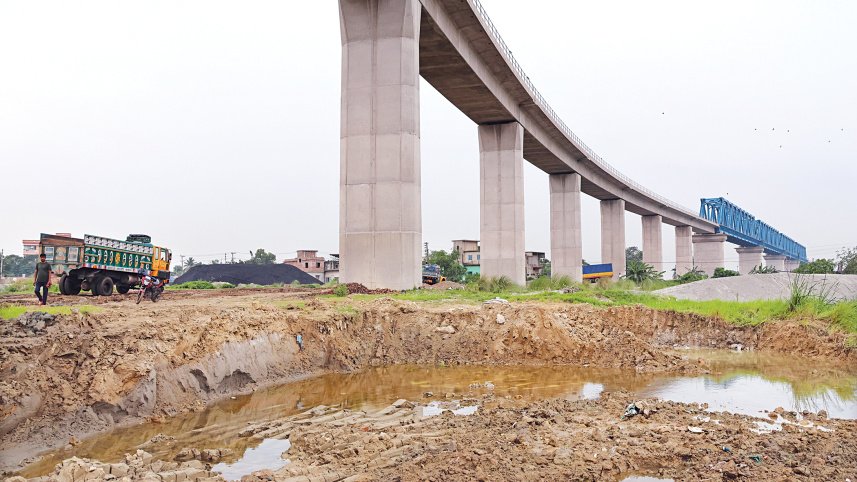
Recently, reports have emerged alleging that soil was removed from areas surrounding certain pillars associated with the Padma Bridge rail link. If such actions are verified, they should be treated with utmost seriousness. Infrastructure foundations rely heavily on surrounding soil stability. Unauthorized excavation near bridge pillars may increase risks such as:
· Soil erosion and ground instability.
· Structural stress on foundations.
· Increased maintenance costs.
· Potential safety risks for railway and road users.
· Long-term weakening of critical national infrastructure.
Any activity that threatens the safety of strategic infrastructure should be investigated thoroughly and addressed immediately by the responsible authorities.
Why Public Silence is Dangerous
Perhaps the most concerning issue is not only the alleged excavation itself but also the public's indifference toward it.
In a democratic society, citizens may disagree on politics, policies, or leadership. However, national infrastructure belongs to all citizens regardless of political affiliation. Roads, bridges, railways, power plants, and ports are built with public resources and serve the entire nation.
When people remain silent about actions that may damage public assets, several negative consequences emerge:
· Wrongdoers become more confident.
· Accountability weakens.
· Future acts of vandalism or negligence become more likely.
· Public trust in institutions declines.
· National development efforts face unnecessary setbacks.
A responsible society cannot afford to remain indifferent when national assets are at risk.
Additional Concerns That Demand Attention
Environmental Impact
Unregulated soil removal can accelerate riverbank erosion and alter local environmental conditions. This may create long-term ecological and engineering challenges.
Economic Consequences
Damage to critical infrastructure can lead to expensive repairs funded by taxpayers. Even minor structural issues may require significant public expenditure.
National Security Dimension
Strategic infrastructure such as bridges, railways, ports, and power facilities are essential to national security. Any intentional damage or negligence affecting these assets should be considered a serious matter.
International Reputation
Bangladesh has earned international recognition for successfully implementing large-scale infrastructure projects. Protecting these assets is important for maintaining investor confidence and the country's development reputation.
What Should Be Done?
To protect national infrastructure, several measures should be implemented:
Strengthen Monitoring Systems
· Install advanced CCTV surveillance.
· Use drones for regular inspections.
· Conduct routine engineering assessments.
· Introduce digital monitoring systems for vulnerable areas.
Ensure Strict Law Enforcement
· Investigate all allegations promptly.
· Hold responsible individuals accountable regardless of political affiliation.
· Impose strong penalties for deliberate damage to public infrastructure.
Increase Public Awareness
· Educate citizens about the importance of national assets.
· Encourage reporting of suspicious activities.
· Promote civic responsibility through schools, universities, and media campaigns.
Community Participation
Local communities should act as partners in infrastructure protection. Residents living near major projects can help authorities identify unusual or unauthorized activities.
Depoliticize National Assets
National infrastructure should never become a victim of political rivalry. Regardless of who initiated or completed a project, protecting it must remain a shared national responsibility.
The Padma Bridge is not simply a transportation project. It is a symbol of national ambition, economic transformation, and social progress. It has improved lives, expanded opportunities, and connected millions of people to the country's economic mainstream.
If allegations of soil removal around bridge pillars are true, they should be investigated thoroughly and addressed with urgency. More importantly, citizens must reject the culture of indifference and silence regarding threats to public property.
Protecting national infrastructure is not solely the responsibility of the government; it is a collective duty shared by every citizen. By remaining vigilant, demanding accountability, and prioritizing national interests over political divisions, Bangladesh can safeguard its achievements and continue its journey toward a prosperous, modern, and inclusive future.
This version is more concise, easier to read, suitable for publication in a newspaper, magazine, academic blog, or policy discussion forum, and includes additional points on environmental protection, national security, public accountability, and international reputation.
By : Dr Sabnam Jahan, Ex Professor Dhaka University, writer & Analyst.