Qatar sends mediators to Tehran as talks on Strait of Hormuz reach critical stage
Qatar has dispatched a team of mediators to Tehran, signaling that negotiations aimed at reopening the strategically vital Strait of Hormuz may be nearing a breakthrough

Qatar sends mediators to Tehran as talks on Strait of Hormuz reach critical stage
Qatar has dispatched a team of mediators to Tehran, signaling that negotiations aimed at reopening the strategically vital Strait of Hormuz may be nearing a breakthrough.
Under the proposed framework, a memorandum of understanding could be signed regarding the strait, followed by 30 days of negotiations on Iran’s nuclear program. This would effectively delay the United States’ demand for Iran to surrender its stockpile of highly enriched uranium.
Until now, mediation efforts in the US-Iran crisis had mainly been led by Oman and later Pakistan. However, Qatar — widely regarded as one of the Middle East’s most effective diplomatic mediators — has now stepped directly into the negotiations.
Pakistan’s army chief, Field Marshal Asim Munir, was also expected in Tehran, although Iran continued to downplay reports of an imminent breakthrough.
US Secretary of State Marco Rubio said there had been “a little progress” in the talks, but stressed that Washington would not accept any Iranian attempt to impose tolls on international shipping through the Strait of Hormuz.
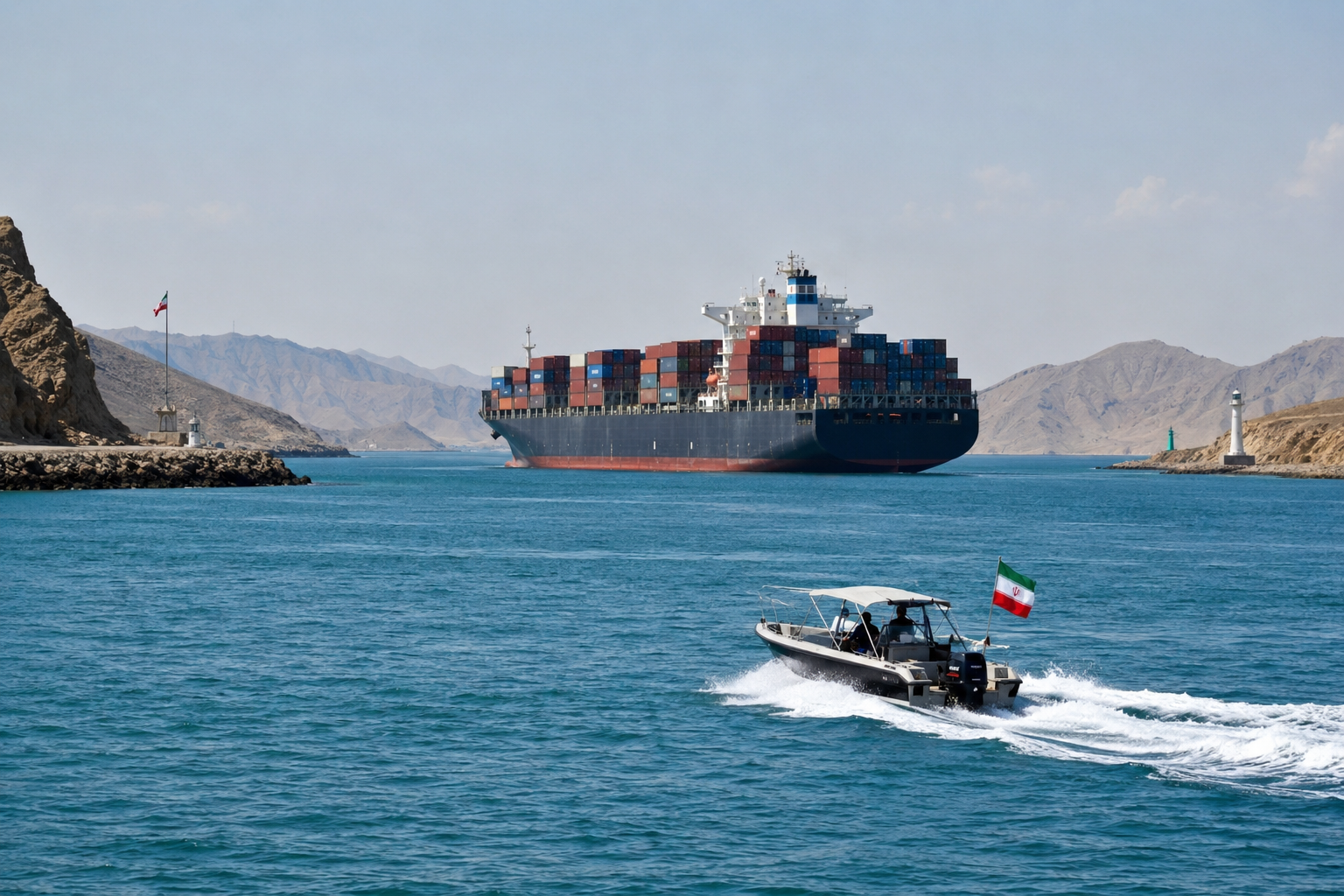
Iran has reportedly established a new body called the Persian Gulf Strait Authority (PGSA), which would oversee shipping routes and potentially levy toll charges on vessels passing through the waterway. The US strongly opposes the proposal, arguing that international waterways must remain free from unilateral control.
Senior UAE diplomatic adviser Anwar Gargash warned that Iran may be “overestimating its cards” in the negotiations.
Meanwhile, Pakistan’s Interior Minister Mohsen Naqvi held a second meeting in two days with Iranian Foreign Minister Abbas Araghchi. Analysts believe Pakistan may attempt to involve China as a guarantor for any future agreement. Pakistani Prime Minister Shehbaz Sharif is scheduled to visit Beijing on Saturday.
Iran has insisted that its current priority is not nuclear negotiations, but rather securing a permanent ceasefire and an end to hostilities. Tehran is seeking phased US sanctions relief, the release of frozen Iranian assets, compensation for war-related damages, and guarantees against future military action.
The future administration of the Strait of Hormuz remains one of the biggest sticking points. Pakistan has floated the idea of joint management under United Nations supervision.
Five Gulf states — Bahrain, Kuwait, Qatar, Saudi Arabia and the UAE — have jointly urged the International Maritime Authority not to recognize the PGSA or cooperate with Iran’s proposed shipping system. They argue Tehran is attempting to force vessels into Iranian territorial waters in order to collect toll fees and gain strategic leverage.
Speaking at a NATO foreign ministers’ meeting in Sweden, Marco Rubio said: “Iran is trying to create a tolling system in an international waterway. No country in the world should accept that.”
Iranian Foreign Ministry spokesperson Esmail Baghaei dismissed media speculation surrounding uranium negotiations, saying the current focus is on ending the war and stabilizing the region.
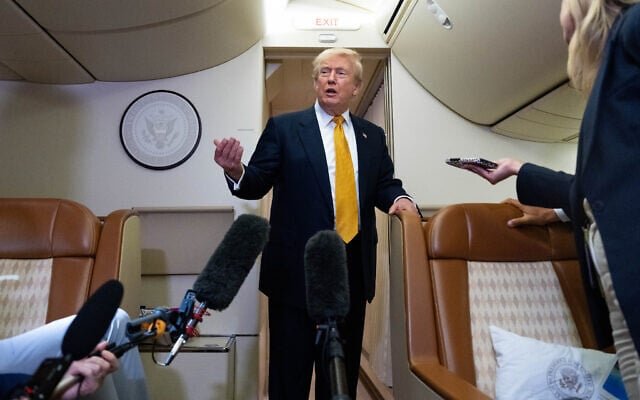
US President Donald Trump said on Thursday that the United States would not allow Iran to retain its highly enriched uranium stockpile, adding: “We will get it … and probably destroy it after we get it.”
Russia has reportedly offered to take custody of Iran’s uranium stockpile, but Tehran says it plans to dilute the material domestically instead.