Trump Eyes Major Gains From China Visit as 17 Top CEOs Join Beijing Trip
US President Donald Trump says he hopes to achieve “a lot” during his upcoming visit to China, where he will be accompanied by 17 leading executives from the technology and finance sectors

Trump Eyes Major Gains From China Visit as 17 Top CEOs Join Beijing Trip
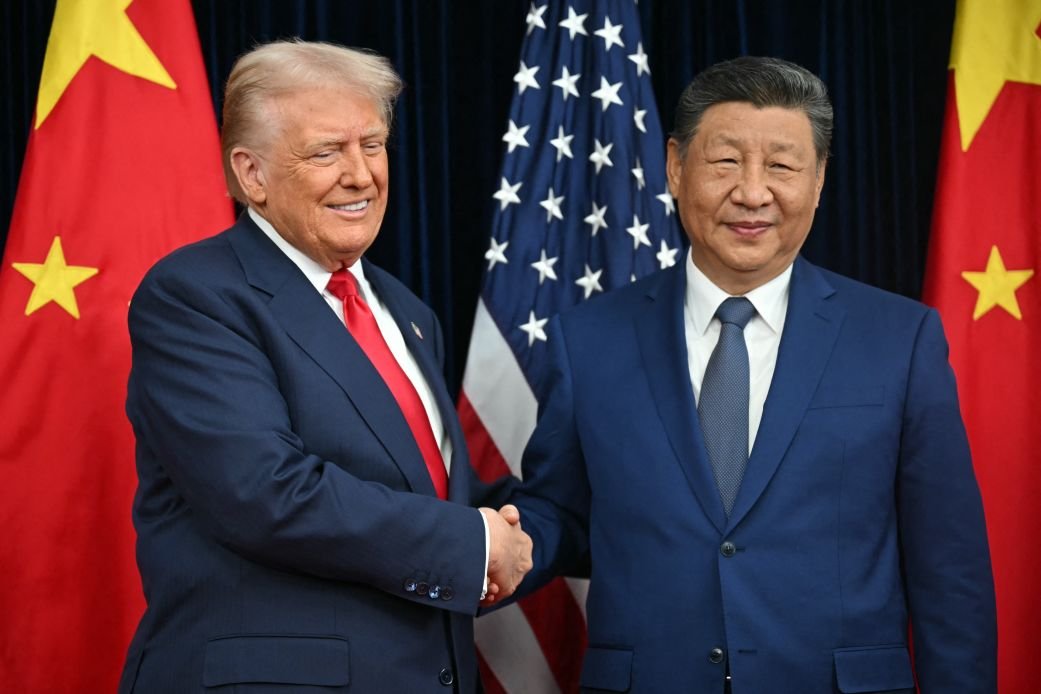
US President Donald Trump says he hopes to achieve “a lot” during his upcoming visit to China, where he will be accompanied by 17 leading executives from the technology and finance sectors. The trip is being viewed as a critical moment for US-China relations amid tensions over Iran, global energy markets, and trade disputes.
High-Profile CEOs Joining the Delegation
According to The Guardian, the business leaders joining Trump’s Beijing visit include:
Elon Musk
Tim Cook
Larry Fink
Dina Powell McCormick
Kelly Ortberg
Analysts say the visit is not only diplomatic but also deeply tied to technology, trade, investment, and geopolitical strategy.
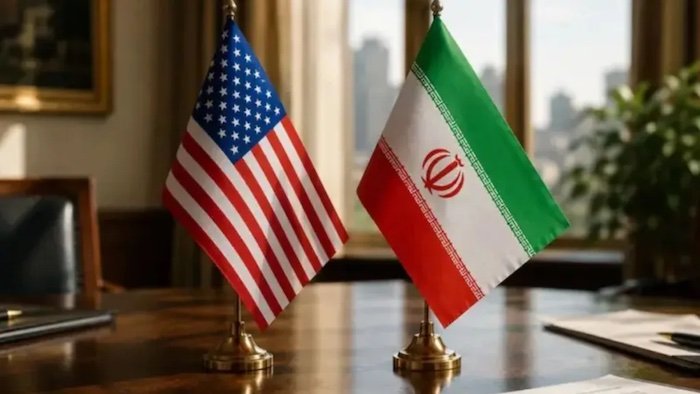
Iran Crisis at the Center of the Talks
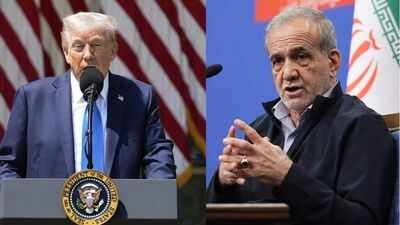
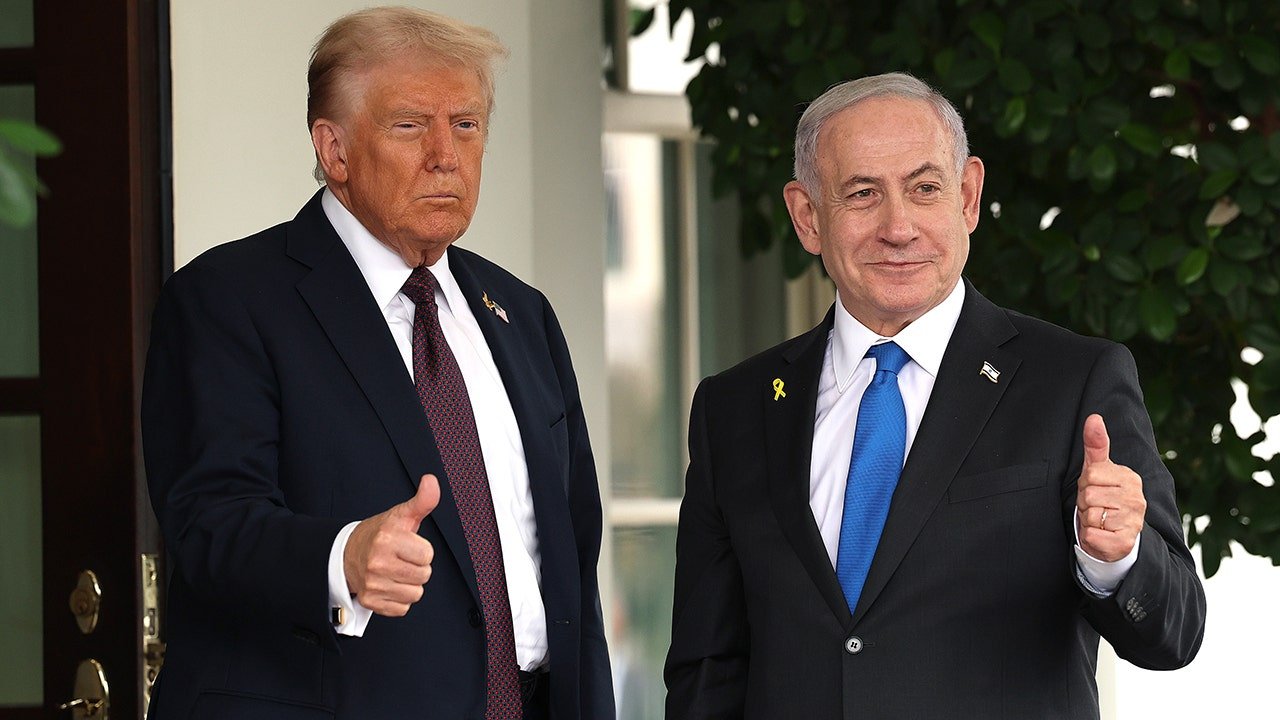
Trump said the Iran ceasefire is currently “on life support” after rejecting Tehran’s latest peace proposal as “totally unacceptable.” Despite the harsh rhetoric, he insisted that a diplomatic solution with Iran remains “very possible.”
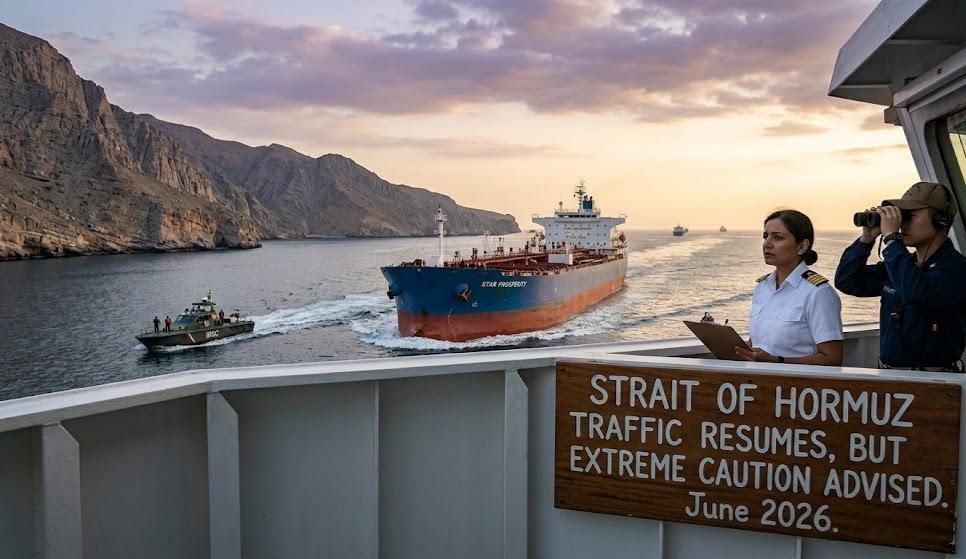
The Iran issue is expected to dominate discussions with China because Beijing remains the largest buyer of Iranian oil. Washington is reportedly hoping that China can pressure Tehran toward concessions and help prevent a wider regional conflict.
Oil Markets React
Trump’s comments immediately affected global energy markets. Brent crude prices rose nearly 3%, climbing above $104 per barrel after fears of renewed conflict increased.
The president also suggested temporarily suspending the federal gas tax and claimed gasoline prices would “drop like a rock” once the war situation stabilizes.
A Crucial US-China Summit
This will be Trump’s first visit to China during his second term and the first visit by a US president to Beijing since 2017.
However, the geopolitical environment is now far more complicated due to:
The ongoing US-China trade war
Rising tensions over Taiwan
The Iran ceasefire crisis
Rare earth export disputes
Global energy security concerns
Many analysts believe Chinese President Xi Jinping enters the summit from a position of strength, as Washington increasingly needs Beijing’s cooperation to stabilize energy supplies and influence Iran.
Political Pressure at Home
Meanwhile, Senate Democratic leader Chuck Schumer has vowed to block parts of Trump’s proposed budget bill, criticizing provisions linked to security funding for Trump’s planned ballroom project.
At the same time, tensions are growing inside Washington after Defense Secretary Pete Hegseth publicly clashed with Senator Mark Kelly over disclosures about depleted US weapons stockpiles following the Iran conflict.
Broader Strategic Significance
Experts say Trump’s China trip is far more than a ceremonial summit. It now revolves around three major strategic fronts:
US-China economic rivalry
The Iran conflict and Middle East stability
Global energy and security balance
If the visit succeeds, analysts believe it could ease tensions in energy markets and improve communication between Washington and Beijing. But if negotiations fail, the risk of renewed Middle East conflict, higher oil prices, and wider global instability could increase significantly.