Modi Begins High-Stakes Five-Nation Tour Amid Middle East Crisis and Economic Pressure
Indian Prime Minister Narendra Modi is set to begin a crucial five-nation diplomatic tour from May 15 to May 20, visiting the United Arab Emirates, Netherlands, Sweden, Norway and Italy, as rising tensions in the Middle East continue to shake global energy markets and pressure India’s economy

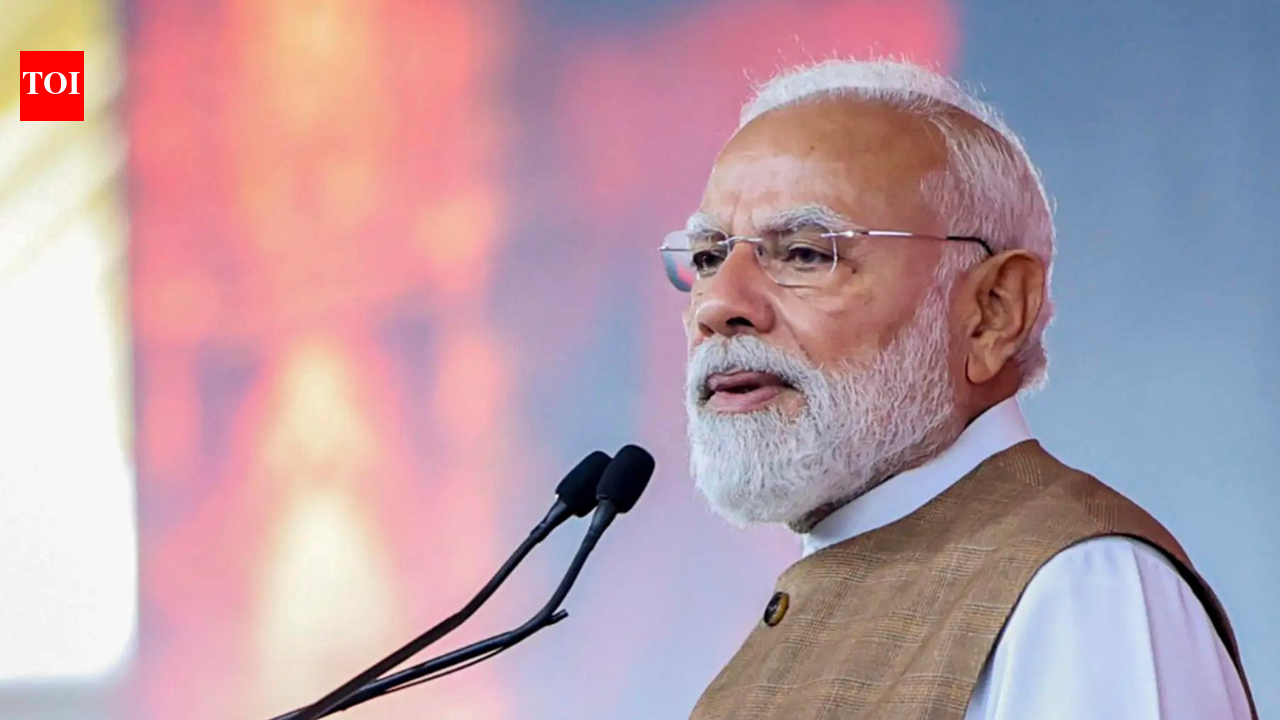
Modi Begins High-Stakes Five-Nation Tour Amid Middle East Crisis and Economic Pressure
Indian Prime Minister Narendra Modi is set to begin a crucial five-nation diplomatic tour from May 15 to May 20, visiting the United Arab Emirates, Netherlands, Sweden, Norway and Italy, as rising tensions in the Middle East continue to shake global energy markets and pressure India’s economy.
According to India’s foreign ministry, Modi will first travel to the UAE on May 15, where he is expected to hold high-level talks with UAE President Mohammed bin Zayed Al Nahyan. Energy cooperation, regional security and broader geopolitical developments are expected to dominate discussions.
Energy Crisis Drives Diplomatic Urgency
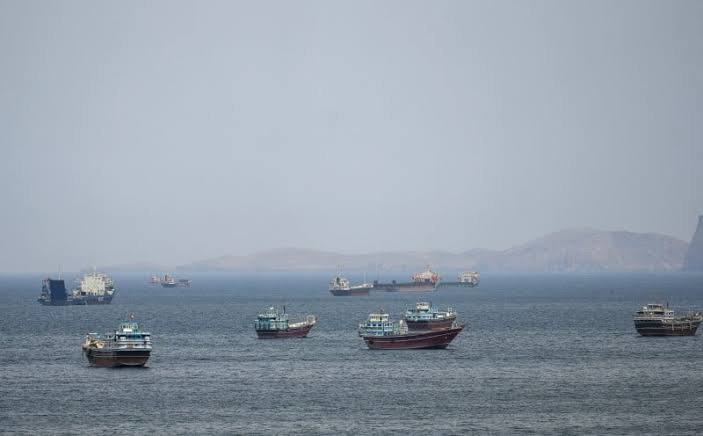
The tour comes at a sensitive moment for India, one of the world’s largest energy importers. The ongoing Middle East crisis has pushed global oil prices sharply higher, increasing concerns over India’s foreign exchange reserves, inflation and current account deficit.
Just days before the trip, Modi urged Indians to adopt austerity-style measures, including:
conserving fuel,
reducing non-essential travel,
limiting imports,
and cutting gold purchases.
The appeal reflects growing concern within New Delhi over the economic impact of prolonged instability in the Middle East.
Indian Markets React Sharply
Financial markets reacted negatively following Modi’s warning about economic pressures. Indian equities fell on Monday, while the Indian rupee recorded its steepest single-day decline in more than a month, ending at its weakest closing level on record.
Economists warn that sustained high oil prices could:
slow India’s economic growth,
increase inflationary pressure,
weaken the rupee further,
and widen the country’s trade imbalance.
UAE Visit Seen as Strategically Critical
India and the UAE maintain deep economic and strategic ties, particularly in the energy sector. Analysts believe the UAE stop will be the most critical part of Modi’s trip because India relies heavily on Gulf energy supplies.
Officials said both leaders will discuss:
long-term energy security,
investment cooperation,
regional conflicts,
and broader international issues of mutual interest.
Europe Tour Focused on Trade and Investment
After the UAE visit, Modi will continue to Europe in an effort to deepen India’s economic partnerships with European nations.
The European leg is expected to focus heavily on:
expanding trade,
attracting investment,
technology cooperation,
green energy initiatives,
and strengthening post-trade deal engagement with Europe.
The visit follows the India-European Union trade agreement reached earlier this year, which both sides view as a major strategic and economic milestone.
Growing Global Attention on India’s Position
The timing of the tour has attracted significant international attention because India is attempting to balance:
energy security,
economic stability,
and geopolitical partnerships during an increasingly volatile global environment.
With oil markets unstable and regional tensions escalating, Modi’s meetings in the Gulf and Europe are expected to play an important role in shaping India’s diplomatic and economic strategy in the months ahead.