Trump Says He Will Speak With Taiwan’s President, Breaking Longstanding Diplomatic Tradition
US President Donald Trump has said he plans to speak with Taiwan President Lai Ching-te, a move that could mark a major shift in decades of US diplomatic practice and further strain relations with China

Trump Says He Will Speak With Taiwan’s President, Breaking Longstanding Diplomatic Tradition
US President Donald Trump has said he plans to speak with Taiwan President Lai Ching-te, a move that could mark a major shift in decades of US diplomatic practice and further strain relations with China.
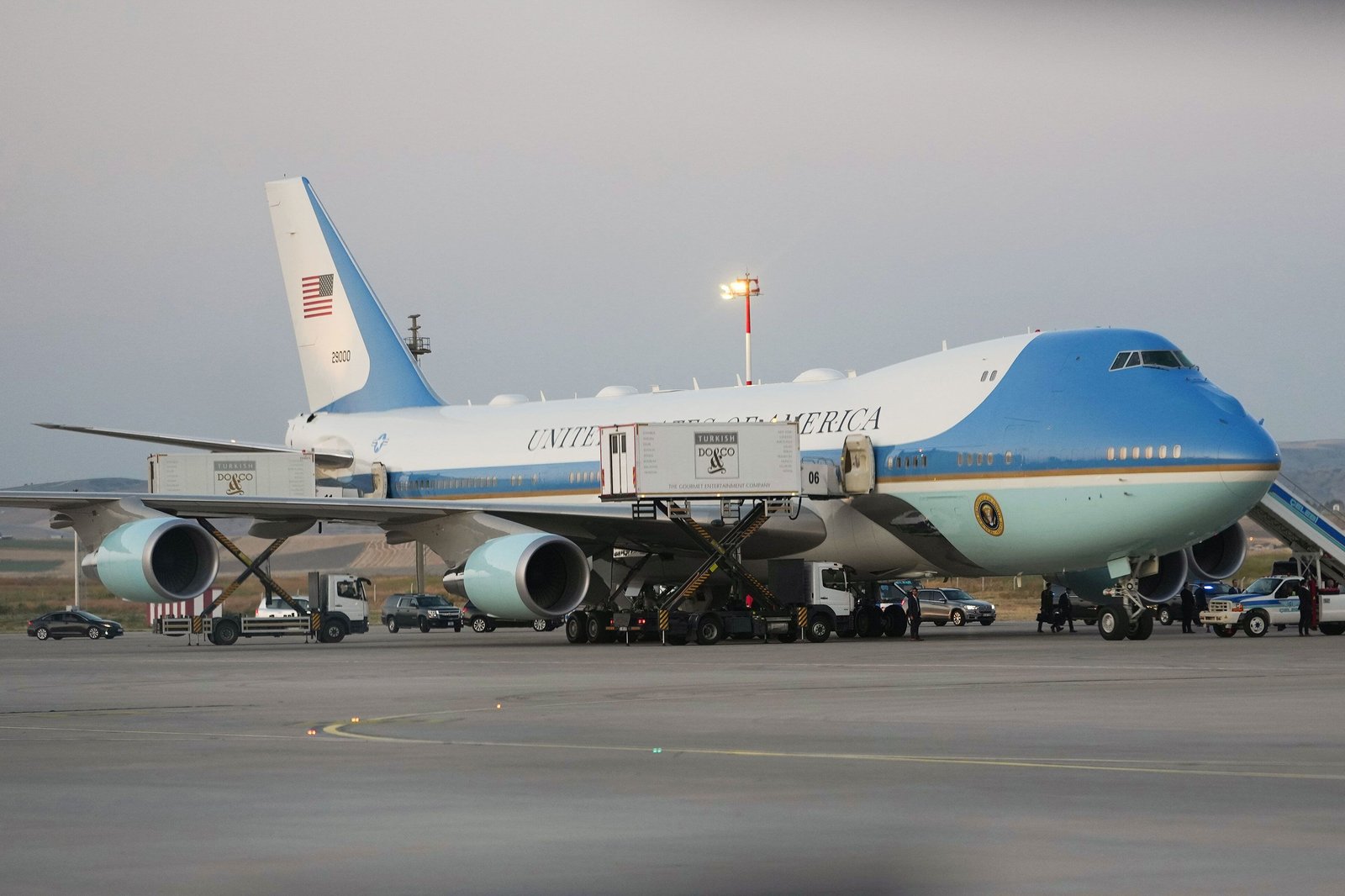
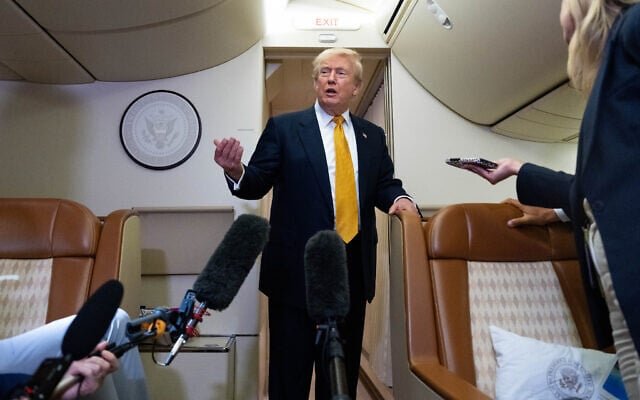
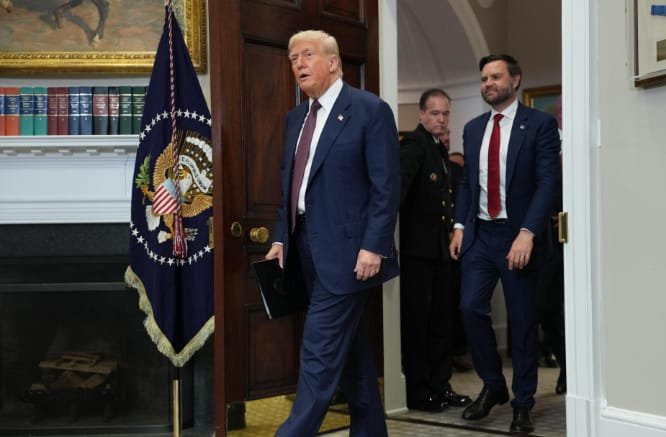
Speaking to reporters before boarding Air Force One on Wednesday, Trump said, “I’ll speak to him. I speak to everybody … We’ll work on that, the Taiwan problem.” If the conversation takes place, it would be unprecedented in modern US diplomacy, as American and Taiwanese presidents have not directly spoken since Washington switched official diplomatic recognition from Taipei to Beijing in 1979.
The remarks are expected to draw strong reactions from China, which considers Taiwan part of its territory and has repeatedly warned against official US-Taiwan political engagement. Beijing has also refused to rule out the use of force to bring the democratically governed island under its control.
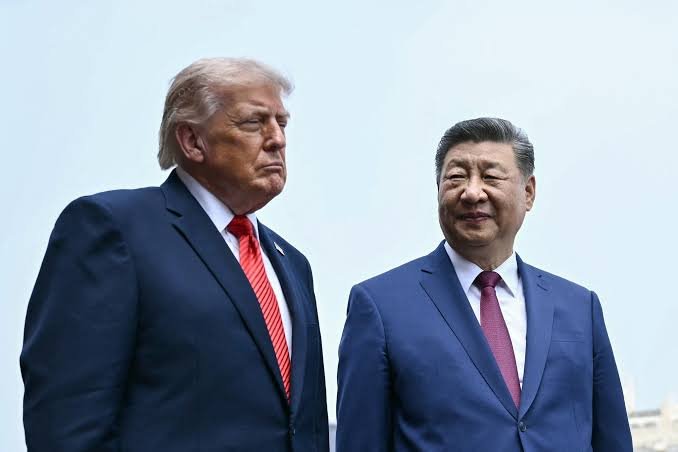
Trump made similar comments after meeting Chinese President Xi Jinping in Beijing last week, but many observers initially viewed them as a verbal slip. His latest statement, however, reinforced the possibility that the Trump administration may be preparing for a direct leader-level contact with Taiwan.
According to reports, no call between the two leaders has yet been formally scheduled. The White House and the Chinese embassy in Washington have not publicly commented on the matter.
Taiwanese President Lai welcomed the possibility of speaking with Trump and said he would emphasize Taiwan’s commitment to maintaining peace and stability across the Taiwan Strait. He accused China of undermining regional peace through its growing military presence in the Indo-Pacific.
“No country has the right to annex Taiwan,” Lai said. “The people of Taiwan pursue a democratic and free way of life, and democracy and freedom should not be regarded as provocation.”
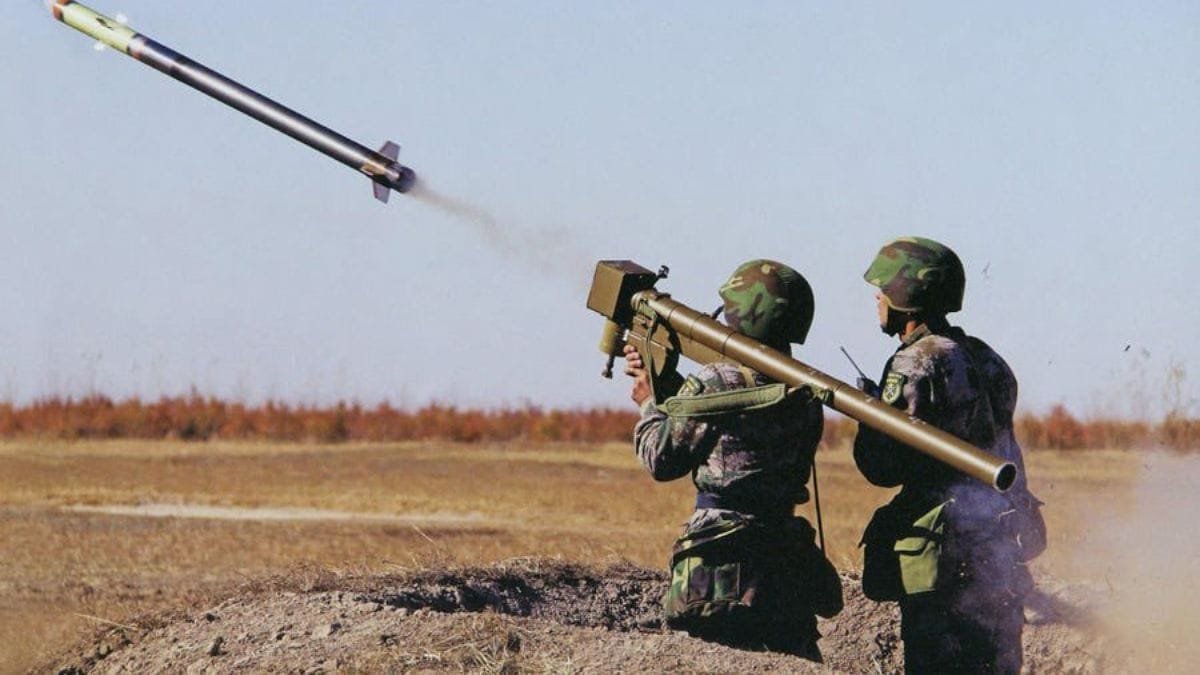
Trump’s comments have also created uncertainty over future US military support for Taiwan. Although his administration has approved major arms sales to the island, Trump recently described weapons deals as “a very good negotiating chip” and said he had not yet decided whether to proceed with a proposed $14 billion arms package.
Under US law, Washington is obligated to provide Taiwan with the means to defend itself. Lawmakers from both the Republican and Democratic parties have urged the administration to continue military support for the island.
Taiwan remains strategically important to the United States not only for security reasons but also for the global economy. The island of 23 million people is a major trading partner of the US and a global leader in advanced semiconductor production, supplying critical technology used worldwide.