U.S. Envoys Head to Qatar as Indirect Iran Talks Resume Amid Gulf Tensions
Two senior U.S. envoys arrived in Qatar on Tuesday to hold discussions with mediators on implementing an initial agreement aimed at ending the recent Iran war, as diplomatic efforts continue despite renewed regional tensions

U.S. Envoys Head to Qatar as Indirect Iran Talks Resume Amid Gulf Tensions
Two senior U.S. envoys arrived in Qatar on Tuesday to hold discussions with mediators on implementing an initial agreement aimed at ending the recent Iran war, as diplomatic efforts continue despite renewed regional tensions.
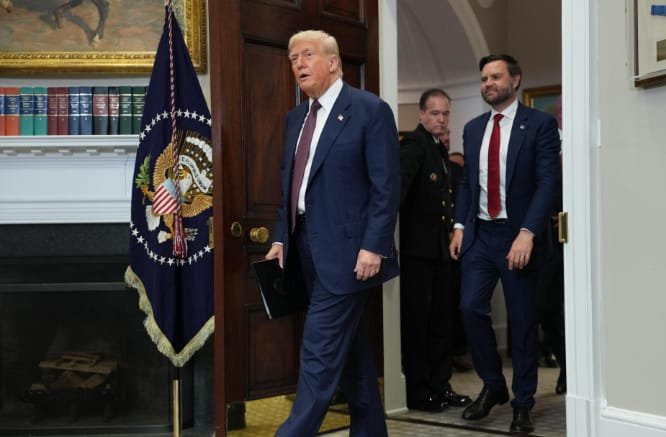
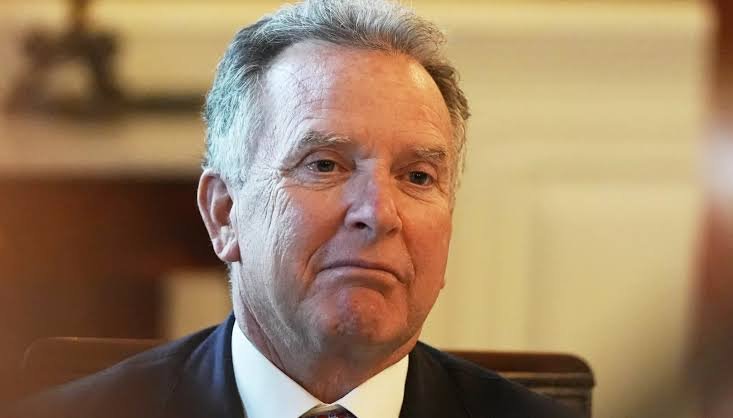
President Donald Trump's Middle East envoy Steve Witkoff and senior adviser Jared Kushner traveled to Doha following a weekend of military exchanges in the Persian Gulf linked to efforts to reopen the Strait of Hormuz for international shipping.
According to Qatar's Foreign Ministry spokesman Majed Al-Ansari, the U.S. delegation will not hold direct negotiations with Iranian officials. Instead, Qatari mediators will facilitate indirect communication between the two sides through technical-level meetings.
"We're not expecting any high-level Iranian officials at the moment, but the technical meetings are ongoing and have not stopped," Al-Ansari said.
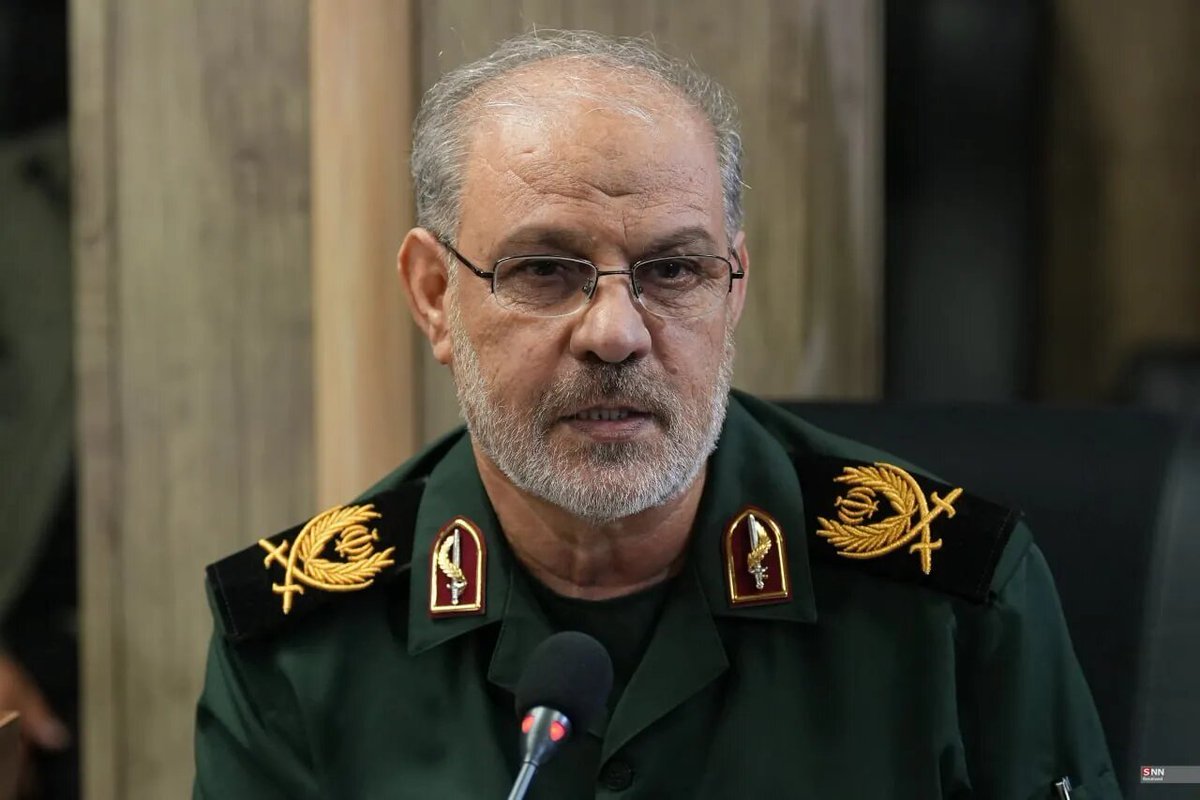
Iran is also sending a delegation to Doha this week. However, Foreign Ministry spokesman Esmail Baghaei stated that Tehran has no plans for direct talks with the United States in the coming days. He said discussions with Qatar would focus on implementing parts of the memorandum of understanding, including the release of Iran's blocked assets, while leaving open the possibility of messages being exchanged through Qatari mediators.
Earlier this month, Washington and Tehran reached an interim agreement under which Iran would dilute its stockpile of enriched uranium, the United States would ease certain oil-related sanctions, free navigation through the Strait of Hormuz would be restored, and both sides would have 60 days to negotiate a broader settlement.
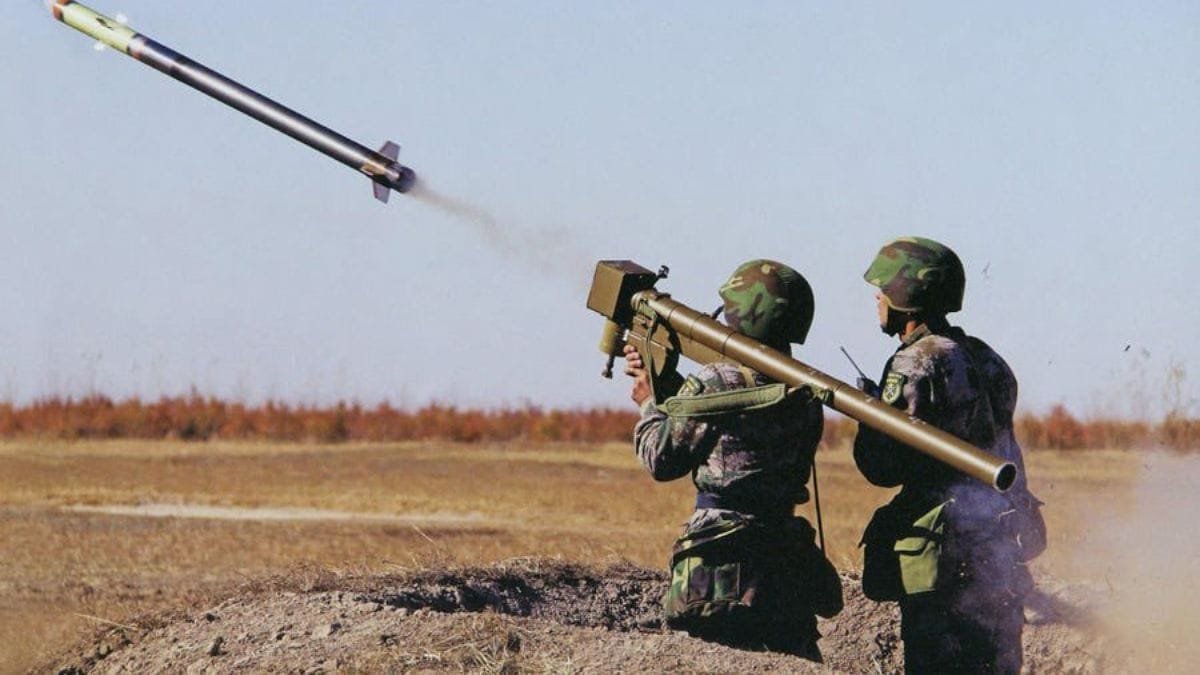
The talks come as tensions remain high after recent military exchanges in the Persian Gulf. Iran reportedly attacked vessels transiting the Strait of Hormuz, including a tanker carrying Qatari crude oil, prompting retaliatory U.S. airstrikes. Tehran also launched drone and missile attacks targeting Bahrain and Kuwait on Sunday.
Before the conflict began, roughly one-fifth of the world's oil shipments passed through the Strait of Hormuz. Disruptions to shipping in the strategic waterway triggered global energy concerns and underscored its importance to international trade.
The latest diplomatic engagement in Doha is being closely watched as a key test of whether indirect negotiations can preserve the fragile ceasefire and pave the way for a broader agreement between the United States and Iran.