Iran–U.S. Peace Talks in Doubt as Ceasefire Deadline Nears
The prospects for peace talks between Iran and the United States remain highly uncertain as a fragile two-week ceasefire approaches its expiration, with rising tensions threatening to derail diplomacy

Iran–U.S. Peace Talks in Doubt as Ceasefire Deadline Nears
The prospects for peace talks between Iran and the United States remain highly uncertain as a fragile two-week ceasefire approaches its expiration, with rising tensions threatening to derail diplomacy. According to a report, Tehran has yet to make a final decision on joining a new round of negotiations expected to be held in Pakistan, despite ongoing mediation efforts. Iranian officials say they are “positively reviewing” participation, but stress that continued U.S. actions—particularly alleged violations of the ceasefire—are undermining trust and complicating the diplomatic process.
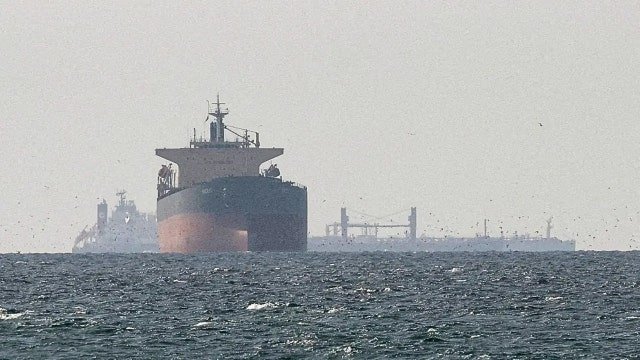
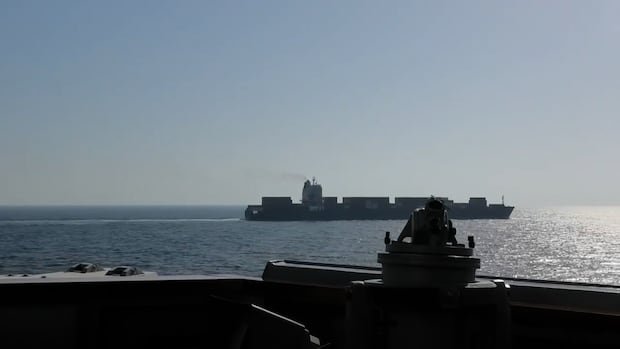
The situation deteriorated sharply after U.S. forces seized an Iranian-linked cargo ship near the strategically critical Strait of Hormuz, an incident Iran has condemned as “armed piracy” and a breach of the truce. The move has cast serious doubt over the future of negotiations, with Iranian leaders warning they will not engage in talks under pressure or military coercion.
The ceasefire itself—brokered earlier in April to halt weeks of fighting that have killed thousands and disrupted global markets—is now on the brink of collapse. Both sides have accused each other of violations, while Washington has maintained a naval blockade on Iranian shipping, further escalating tensions.
Diplomatic efforts are continuing behind the scenes, with Pakistan acting as a key mediator and urging both parties to return to the negotiating table. However, positions remain far apart: the United States is pushing for a rapid agreement to stabilize oil markets and prevent further escalation, while Iran is seeking sanctions relief and greater guarantees for its economic and nuclear interests.
Meanwhile, the uncertainty is already impacting global energy markets. Oil prices have fluctuated sharply amid fears that a breakdown in talks could disrupt supplies through the Strait of Hormuz, which handles roughly one-fifth of the world’s oil shipments. Analysts warn that if the ceasefire collapses and conflict resumes, prices could surge further, deepening economic instability worldwide.
With the deadline looming and no clear breakthrough in sight, the next 24–48 hours are seen as critical. A last-minute agreement could extend the ceasefire and revive diplomacy, but failure to reach consensus risks plunging the region back into open conflict with far-reaching global consequences.